1,300-pound satellite expected to re-enter Earth’s atmosphere tonight
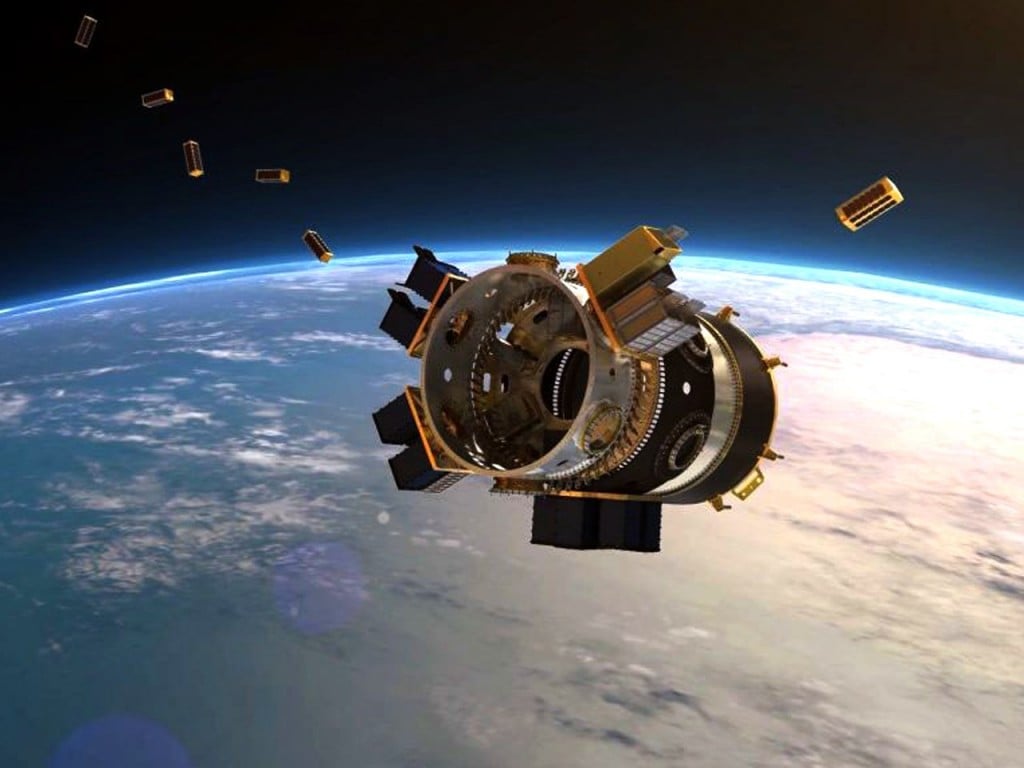
(ABC) — A 1,323-pound NASA satellite that once studied how the Van Allen radiation belts protect the planet from cosmic radiation and space weather is expected to re-enter Earth’s atmosphere Tuesday at approximately 7:45 p.m. ET, according to NASA.
Because re-entry is unpredictable, the actual time could occur within a 24-hour window before or after that time, the space agency said.
NASA says the Van Allen Probe A should burn up as it travels through the atmosphere, but warns that some components may survive re-entry.
“The risk of harm coming to anyone on Earth is low — approximately 1 in 4,200,” NASA said.
The Van Allen Probe A and its twin, Van Allen Probe B, were launched in August 2012. Initially planned as a two-year mission, they exceeded expectations, operating for nearly seven years. Scientists are still using data from the mission to better understand the effects of space weather, according to NASA.
NASA to launch 2 new satellites that will help forecast solar storms
The mission concluded when both satellites ran out of fuel and could no longer orient themselves toward the sun.
“When the mission ended in 2019, analysis found that the spacecraft would re-enter Earth’s atmosphere in 2034. However, those calculations were made before the current solar cycle, which has proven far more active than expected,” NASA said.
“In 2024, scientists confirmed the Sun had reached its solar maximum, triggering intense space weather events. These conditions increased atmospheric drag on the spacecraft beyond initial estimates, resulting in an earlier-than-expected re-entry,” NASA further explained.
The U.S. Space Force is monitoring the re-entry and updating its projections on the Space Track website.
Van Allen Probe B is anticipated to re-enter Earth’s atmosphere in 2030 or later, according to NASA.