North Carolina Gov. Stein cancels Medicaid rate cuts amid legal and legislative battles
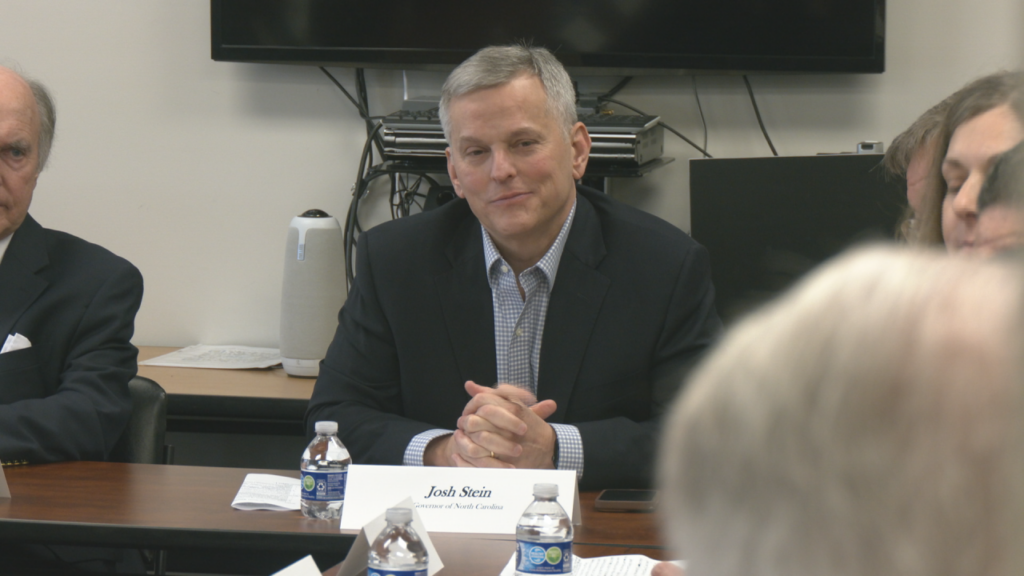
RALEIGH, N.C. (AP) — North Carolina Democratic Gov. Josh Stein is canceling Medicaid reimbursement rate reductions he initiated two months ago, a decision that protects short-term access to care for vulnerable patients while a political fight with Republican legislators to enact additional funding is resolved.
Stein and state Health and Human Services Secretary Dr. Dev Sangvai announced Wednesday the state agency would restore reimbursement rates for doctors, hospitals and other medical providers of Medicaid services that otherwise generally had been cut by 3% to 10% starting Oct. 1.
The governor had said the reductions were needed to deal with a funding shortfall for Medicaid, which serves more than 3 million people in the ninth-largest state. But legal challenges to the reductions that have resulted recently in judicial rulings demanding some rates return to pre-October levels make maintaining the reductions untenable.
“What has not changed is the program doesn’t have enough money. What has changed is that the courts have made very clear that the rates have to go back,” Stein told The Associated Press in an interview.
The first-year governor had said the reductions, while painful for Medicaid patients and providers, were unavoidable because a stopgap spending measure the legislature approved in the summer fell $319 million short of what was needed to address population changes and rising health care costs.
“The legislature forced these cuts onto the program,” Stein said. “It was absolutely nothing that the department or I wanted to have happen.”
Republican legislators said Stein’s actions were unnecessary, unprecedented early in the fiscal year and politically motivated. Still, state House and Senate GOP leaders tried but could not work out this fall legislation to provide extra money that would sustain the program longer.
Stein attempted in recent weeks to pressure lawmakers to act — even by formally calling a special legislative session last month. But House Speaker Destin Hall and Senate leader Phil Berger refused to convene, saying Stein had failed to meet the qualifications for such an extraordinary session.
The governor was pushed to relent as Medicaid consumers such as children with autism and providers like adult care homes have successfully sued the health department so far and blocked certain rate reductions.
The plaintiffs accused the state of violating laws by reducing rates unilaterally and discriminating against those with disabilities. A host of groups representing thousands of doctors and other service providers filed their own challenges last week to block the rates more broadly.
As part of the reversal, Sangvai said, the providers will receive retroactively reimbursements for the difference between the reduced and full rates for claims that were filed after the reductions took effect.
The Medicaid shortfall continues, however, an offshoot of GOP leaders being unable to pass a conventional two-year budget — largely over differences about additional income tax reductions and teacher pay. North Carolina remains the only state without an enacted budget, according to the National Conference of State Legislatures. A budget was supposed to be in place July 1.
House and Senate Republicans separately agreed in September they would provide an additional $190 million to the Medicaid program. But senators also wanted legislation to allocate previously received federal money to help build a standalone children’s hospital in Wake County by two university medical schools and for rural health investments. Despite previously spending toward these projects, House Republicans are now having second thoughts about completing these investments.
The legislature had already planned to convene next week, but any action or recorded votes is unlikely. Stein said restoring the rates only adds to the urgency for legislators to act and locate more funds.
“If the legislature would simply do its job and pass a budget that fully funded Medicaid, we never would have had to start this entire enterprise,” Stein said.
Sangvai acknowledged the program would not run out of money until the spring. But he said restoring the rates means his agency is left only with scaling back or eliminating programs and services to find significant savings.
“It’s really a situation we hate to consider because the consequences could in fact be catastrophic,” Sangvai said.