NCDHHS shares summer safety tips for grilling, swimming and beating the heat
(WWAY) — As summer approaches, the North Carolina Department of Health and Human Services is reminding people to stay safe while grilling, swimming and spending time outdoors.
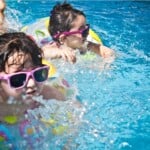
May is National Water Safety Month, and NCDHHS says people should closely watch children around pools, beaches, lakes, rivers and other bodies of water.
Officials say drowning can happen silently, and children may not splash or yell for help. Pools should also be secured when not in use by closing and locking gates and removing or locking ladders on aboveground pools.
People should also check water conditions before swimming and watch for strong currents, undertows, sudden changes in water depth and algal blooms. NCDHHS also says people should stay out of the water if they are sick with diarrhea or another stomach-related illness.
“Summer should be a time to enjoy North Carolina’s pools, lakes, beaches, parks and outdoor gatherings,” Dr. Kelly Kimple, director of the NCDHHS Division of Public Health, said. “By staying alert around water, taking heat seriously and handling food safely, we can help prevent illness, injury and death and keep people safe all summer long.”
NCDHHS is also reminding people to practice food safety while grilling. That includes washing hands before and after handling raw food, keeping raw meat, poultry and seafood separate from cooked and ready-to-eat foods, using a food thermometer, refrigerating leftovers promptly and cleaning grill surfaces and utensils before and after each use.
Health officials also say extreme heat days, when temperatures reach 95 degrees or higher, are on the rise in North Carolina.
From May through September 2025, North Carolina recorded more than 5,700 emergency department visits for heat-related illness.
NCDHHS says people should watch for symptoms of heat exhaustion or heat stroke, including nausea, dizziness, headache, confusion and a rapid pulse.
Anyone experiencing symptoms should move to a cooler area, take slow sips of water and get medical help if symptoms continue.
Children, older adults, pregnant people, outdoor workers, athletes and people without air conditioning are among those most at risk.