UNCW reports increase in rapes as students discuss consent
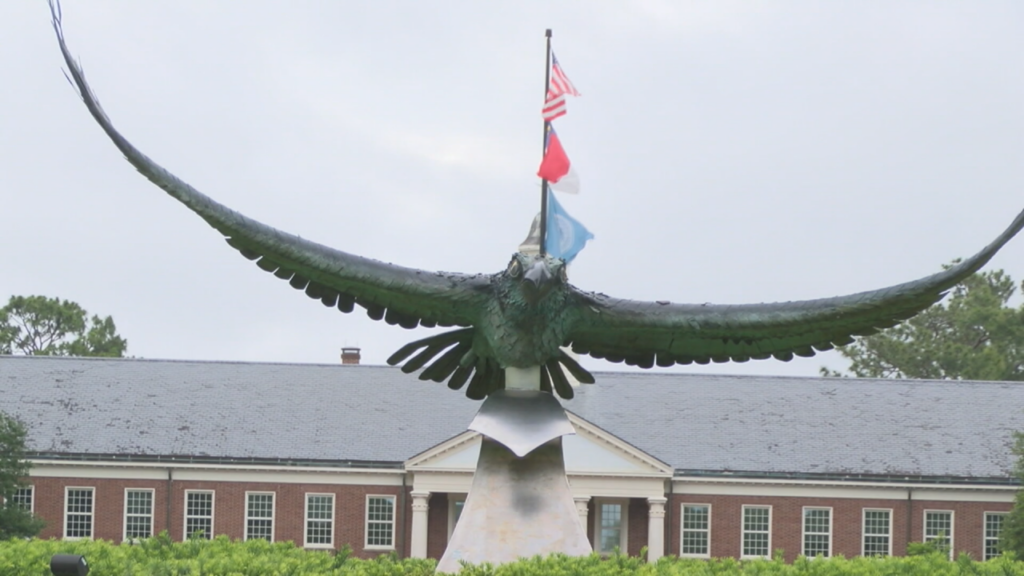
WILMINGTON, NC (WWAY) — The University of North Carolina Wilmington’s latest crime statistics show an increase in reported rapes, prompting renewed conversations among students and advocates about sexual assault, consent, and campus safety.
UNCW freshman Rihanna Guthrie says the recent Cornell University sexual abuse case has been difficult to process.
“Yeah, I just get like pure rage almost,” said Guthrie.
The increase in reported rapes at UNCW has added to those concerns. According to the university’s 2026 Annual Security Report, reported rapes increased from 12 in 2023 to 15 in 2024, and 17 in 2025. Twelve of the reports in 2025 occurred on campus.
The university has resources available to students, including the UNCW CARE Center, which provides support and advocacy for students impacted by sexual assault and other forms of interpersonal violence.
Jane August, who directs the CARE Center, said last year that student safety is a top priority in sexual assault and all other cases.
“It’s important to have people that are certified, trained professionals who know how to navigate the systems that are available to students,” said August.
Following the incident at Cornell University, the CARE Center reminded students of the services available to them and encouraged those who may be impacted to seek support.
For Guthrie and other students, the conversation also extends to consent, particularly when alcohol is involved.
“If you see someone like drowsy, some people where they obviously looks like they’re drunk or something, we’ve honestly stayed around and watched, make sure they’re okay,” said Guthrie.
Amanda Piner, an advocacy coordinator for Coastal Horizons’ Rape Crisis Center, says consent is not a one-time decision and can change throughout an interaction.
“Consent is an ongoing process of discussing your boundaries,” said Piner.
Piner says consent must be freely given and can be withdrawn at any time.
“Meaning that it’s freely given, it’s reversible, it’s informed, it’s enthusiastic, and it’s specific,” said Piner.
She says consent cannot be assumed when someone is unable to communicate or make a decision.
“What consent isn’t is refusing to acknowledge a no. Consent is not a person that is disengaged or nonresponsive. It’s also not someone who is incapacitated or has been pressured to say yes,” said Piner.
Piner said confusion surrounding consent is connected to what she describes as rape culture, which she said can normalize or minimize sexual violence and contribute to rape myths and inappropriate behavior, including rape jokes.
She said those attitudes are also rooted in sexism and inequality.