Flood Resiliency Blueprint releases final Cape Fear River Basin Action Strategy, identifying 166 priority flood resilience actions
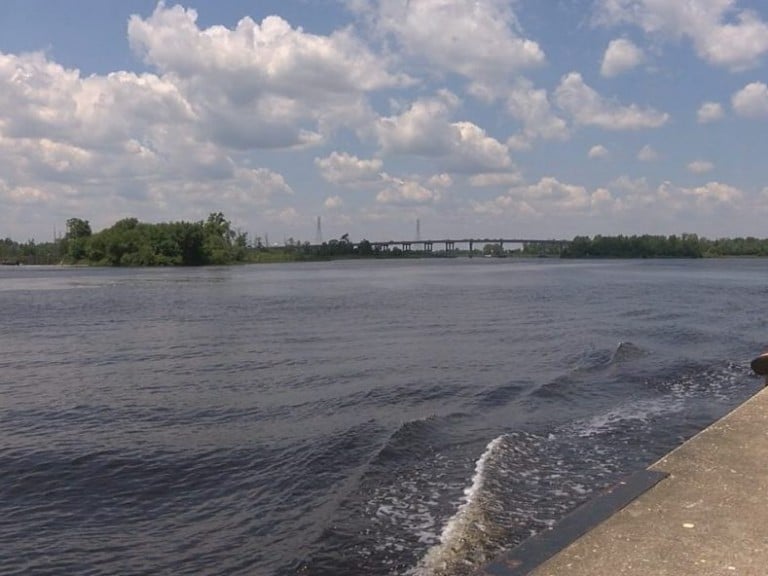
RALEIGH – The North Carolina Department of Environmental Quality’s (DEQ) Flood Resiliency Blueprint Program (Blueprint) has released the Cape Fear River Basin Action Strategy, a comprehensive framework to support flood resilience planning and decision-making across the basin.
The strategy identifies 166 prioritized actions to help Cape Fear River Basin communities reduce flood risk and strengthen resilience.
“Flooding in the Cape Fear River Basin is getting more frequent and severe, putting lives, homes, businesses and critical infrastructure at risk,” said DEQ Secretary Reid Wilson. “This Flood Resiliency Blueprint action strategy identifies cost-effective projects to reduce that flood risk and strengthen communities’ resilience throughout the Cape Fear River Basin.”
The actions include structural and non-structural projects such as stormwater system improvements, transportation and roadway upgrades, critical infrastructure protection, nature-based solutions, structure-level mitigation projects, such as elevating or floodproofing buildings in flood prone areas, and policy and planning actions.
Further evaluation and consultation with local leaders identified 44 high-priority actions that are recommended for early consideration as potential first steps toward implementation, based on local buy-in, feasibility and capacity, and potential impact and benefit.
These actions represent a range of approaches, including floodplain and stream restoration, drainage and culvert improvement, roadway and critical infrastructure upgrades, floodproofing and elevation of critical facilities, early flood warning systems, and other stormwater and flood mitigation measures.
The recommendations are intended to help guide initial investment and coordination while allowing flexibility for communities as funding, capacity and priorities evolve.
All identified resilience actions for the basin are stored and maintained in the Flood Resiliency Blueprint tool, DEQ’s online decision-making tool, which provides users with data-driven flood risk and vulnerability assessments.