Bears could be moving in for winter: What North Carolina homeowners should know
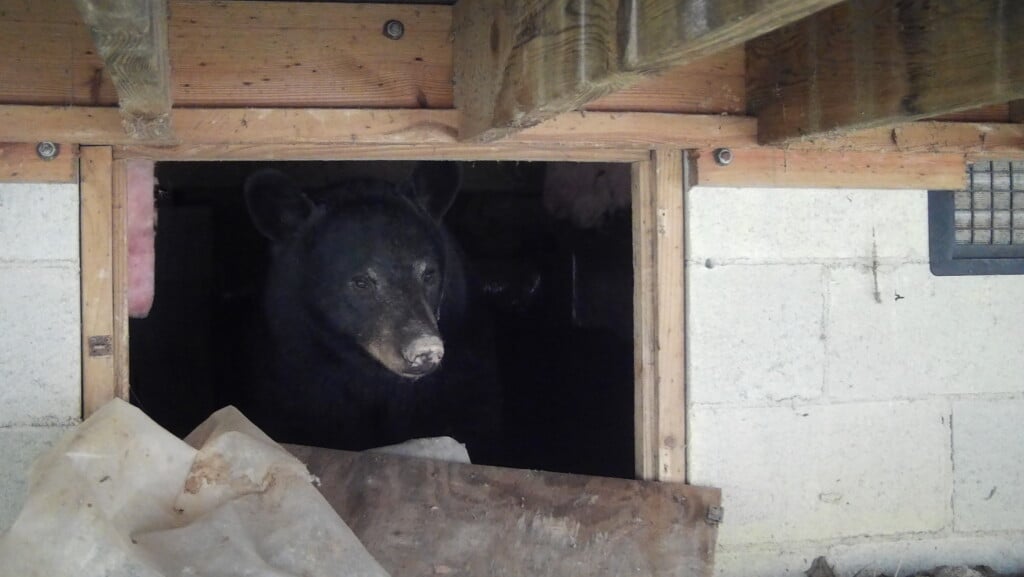
WILMINGTON, NC (WWAY) — As temperatures drop and winter approaches, North Carolina wildlife officials are reminding residents that black bears may be searching for a place to spend the colder months — including underneath homes, decks and sheds.
The North Carolina Wildlife Resources Commission says fall is an important time for homeowners and businesses to secure potential denning sites before bears move in.
According to the agency, black bears increasingly seek shelter in residential communities, including crawlspaces, vacant buildings, storage sheds and piles of brush or debris.
“We started receiving reports of bears checking homes for potential denning sites in early October this year. Any building or structure, occupied or not, can provide shelter for bears,” said Ashley Hobbs, the state’s BearWise coordinator.
Hobbs said bears can fit into surprisingly small openings, making crawlspaces and spaces beneath decks particularly attractive.
How to keep bears from denning near your home
Wildlife officials recommend taking several precautions before bears settle in for the winter.
- Secure sheds and outbuildings. Close and lock pet doors, storage sheds, root cellars and other structures.
- Block access beneath decks and porches. Check for openings where bears could crawl underneath. Thick plywood or properly installed deterrents may help prevent access.
- Reinforce crawlspaces. Secure crawlspace doors and foundation vents. Officials say adult bears can squeeze through standard 8-by-16-inch foundation vents.
- Remove food attractants. Secure garbage and remove birdseed, pet food and other food sources that may attract bears.
- Check vacant properties. Lock ground-level windows and doors and remove food or odors that could attract wildlife.
The commission warns that decorative lattice alone is not strong enough to keep a determined bear from entering an enclosed space.
When do black bears den in North Carolina?
Black bears can begin denning as early as October or as late as February, although some bears may not den at all.
The commission says food availability is one of the biggest factors affecting when bears settle down for winter.
Female bears preparing to give birth will den, with cubs typically born between late December and February.
“Male bears and females that aren’t pregnant may den later in the winter season or not all, due to the year-round availability of human-provided foods, such as bird feeders, garbage and purposeful feeding by people,” said black bear biologist Jenna Malzahn.
Wildlife officials say increasing development and growing human and bear populations have contributed to more reports of bears denning near homes.
What if you discover a bear den?
If a bear has already settled underneath a home or another structure, wildlife officials recommend leaving it undisturbed and seeking guidance rather than attempting to remove it.
The commission says people can often coexist with a denning bear until it leaves in the spring.
“Homeowners can safely coexist with denning bears until they leave in the spring,” Malzahn said. “Bears are only interested in getting their winter rest or, if it’s a female, caring for her cubs.”
Officials warn that disturbing a denning female could cause her to abandon her cubs.
North Carolina’s denning season generally runs from October through April.
Anyone who discovers a bear den can contact the North Carolina Wildlife Helpline at 866-318-2401 or reach out to a district wildlife biologist for guidance.
Additional information about preventing bears from denning near homes is available at BearWise.org.