Blood test has potential to detect CTE in the living, study finds
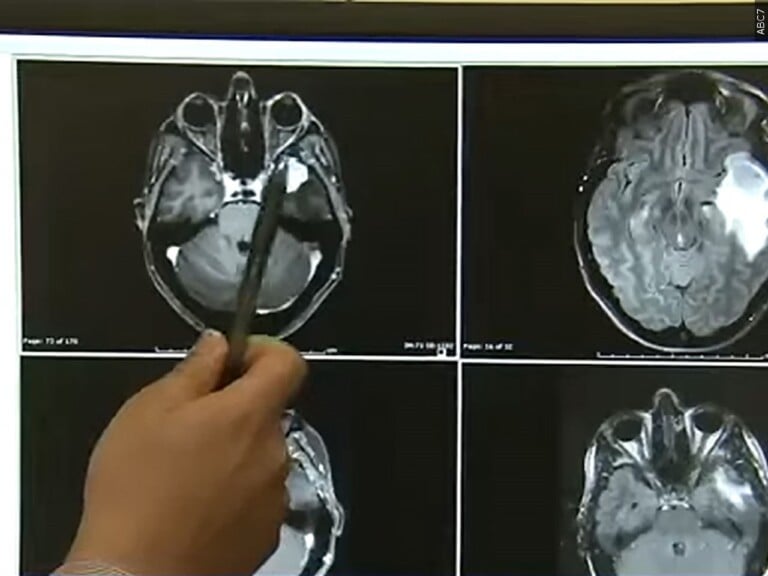
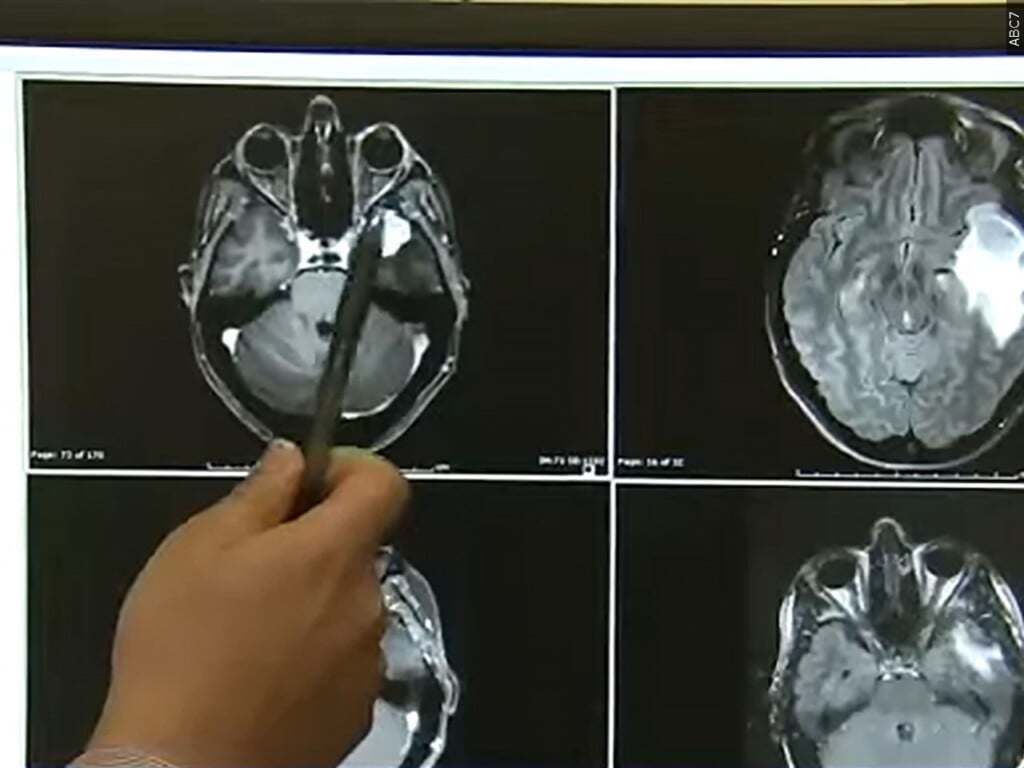
(WTVD) — A blood test could eventually help identify athletes with chronic traumatic encephalopathy, or CTE, before death, according to a new study that found elevated levels of a specific protein in the blood of former professional football players with severe forms of the disease.
The findings could mark a significant step in CTE research. Currently, the brain disease can only be diagnosed through an autopsy.
Former San Francisco 49ers player Randy Cross, a three-time Super Bowl champion, knows firsthand what repeated hard hits can look like on the football field.
“You’d be in a huddle, and you’d look at somebody, and you’d look at somebody and think you either need to get out of here or recover really fast… and they’d keep playing,” Cross said.
Cross has pledged to donate his brain to CTE research.
Dr. Gil Rabinovici, a UCSF researcher who served as the study’s principal investigator, said the findings showed a clear difference between former players with severe CTE and those with little or no evidence of the disease.
“So these are really exciting findings,” Dr. Rabinovici said. “In fact, I got goosebumps the first time I saw the data because there was such clear separation between the people who had the high stage CTE compared to those who had low or no CTE.”
Researchers analyzed blood samples from 21 former football players, focusing on a specific protein marker.
After the players died, autopsies showed 18 of the 21 had CTE, including 16 who had severe stages of the disease.
Researchers then compared the earlier blood samples with the confirmed CTE diagnoses.
“And so we measured the concentrations of that protein in these 21 football players. And what we found is that there is elevation of the levels or concentrations of this protein in the blood in people who had high stage CTE pathology compared to people who had low-stage or no CTE,” Dr. Rabinovici said.
Rabinovici said much more research is needed, including determining how common CTE is and the level of football exposure that could increase a person’s risk.
“But what we don’t yet know is how common it is. And the many hundreds of thousands more people who play college football, or the millions who play high school football, what amount of football is necessary with the blood tests? Now, we can actually test that and try to understand who is at risk, what might be some factors that put people at increased risk?” Dr. Rabinovici said.
Researchers hope the work could eventually help identify people at risk for CTE, connect potential patients with clinical trials and emerging drug treatments, or identify high-risk athletes earlier.
“If they can do this, and it’s legit…this has been a domino that people have been waiting to see if it would fall…and then you go from there,” Cross said.