Brunswick County Sheriff’s Office revises Flock camera policy
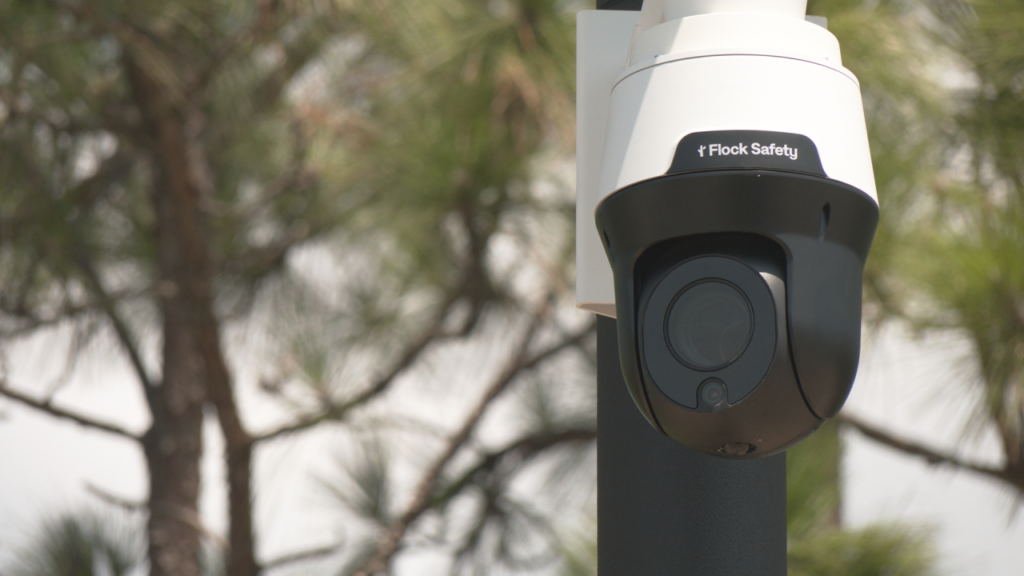
BOLIVIA, NC (WWAY) — The Brunswick County Sheriff’s Office is making more than 10 changes to its Flock license plate reader camera policy, just weeks after a former deputy was indicted on charges related to allegedly misusing the system.
The changes address who can access the cameras, what searches are permitted, training requirements and disciplinary action for misuse.
The revised seven-page policy was signed by Sheriff Brian Chism on Oct. 16, just over a week after former deputy Daniel Little was indicted on 18 charges related to the alleged misuse of the county’s Flock system.
The policy changes come amid ongoing concerns about privacy and the use of license plate reader technology by law enforcement.
Mark Williams, founder of Deflock ILM, has been an outspoken critic of the cameras, despite acknowledging their potential benefits for law enforcement.
“I have many friends that are law enforcement officers and they tell me it helps them fight crime and I have no reason to disbelieve that. I just don’t think it’s American. For me, it’s not justified,” Williams said.
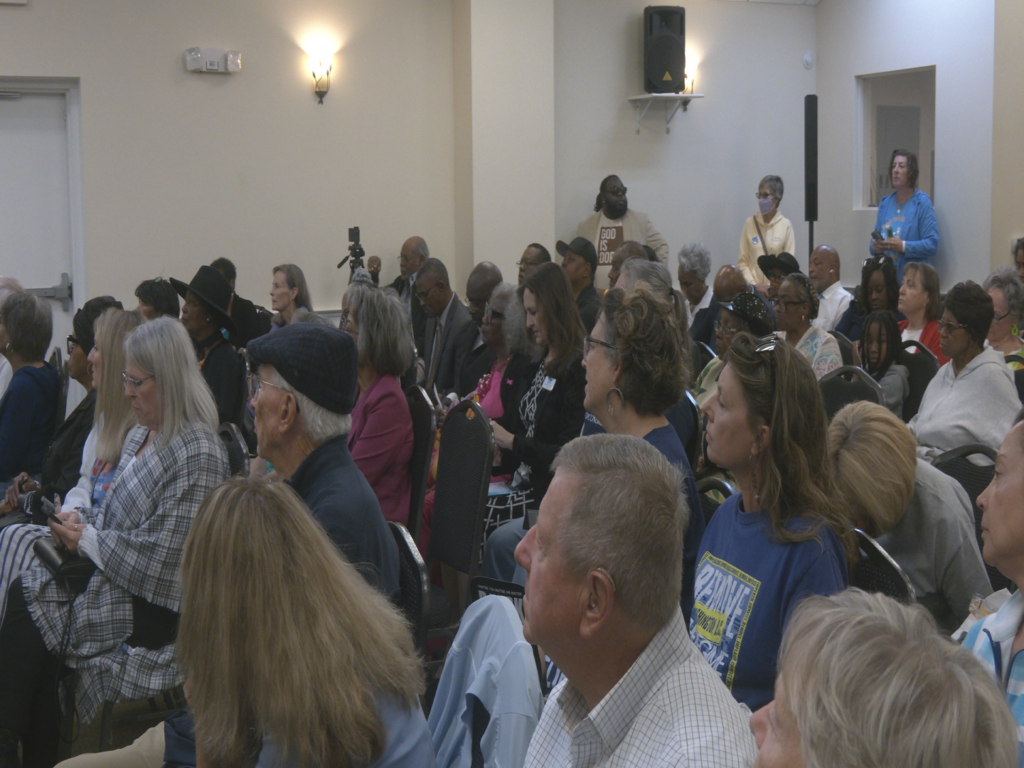
Concerns about the cameras were also raised during a Sept. 9 Brunswick County commissioners meeting, when Commissioner Pat Sykes questioned Chism about privacy and potential misuse.
“I disagree with the Flock cameras. The privacy, the trade off is enormous, how many deputies are abusing the system? I don’t know,” Sykes said.
“We’ve had one with our own audit and he is no longer working for us,” Chism responded.
The sheriff was referring to Little, who was later indicted.
Under the revised policy, deputies must verify camera alerts before taking enforcement action. The policy also prohibits 12 specific uses of the system, including searches for personal reasons or curiosity, traffic violation enforcement and using a camera alert as the sole basis for enforcement action.
Additional changes include limiting access to the system, requiring audits every 30 days and improving training for authorized users.
The policy also outlines disciplinary consequences for violations, up to and including termination.
However, Williams argues the changes do not go far enough.
In a post on his website, Williams raised concerns that the revised policy cannot prevent outside law enforcement agencies from conducting searches using the system.
“In our public records request, proof of free form searches, things like they search for black teenagers. I think other entities outside the state are doing those searches and they’re looking for people,” Williams said.
While the sheriff’s office has strengthened its rules governing the technology, critics continue to question whether those safeguards are enough to protect residents’ privacy.