DEQ warns North Carolinians against illegal outdoor trash burning
RALEIGH, NC (WWAY) — The North Carolina Department of Environmental Quality (DEQ) is reminding residents and businesses that burning trash, plastic, metal and other man-made materials outdoors is illegal under state law.
As many property owners begin clearing debris, the Division of Air Quality is urging North Carolinians to remember one simple rule: “If it doesn’t grow, don’t burn it.”
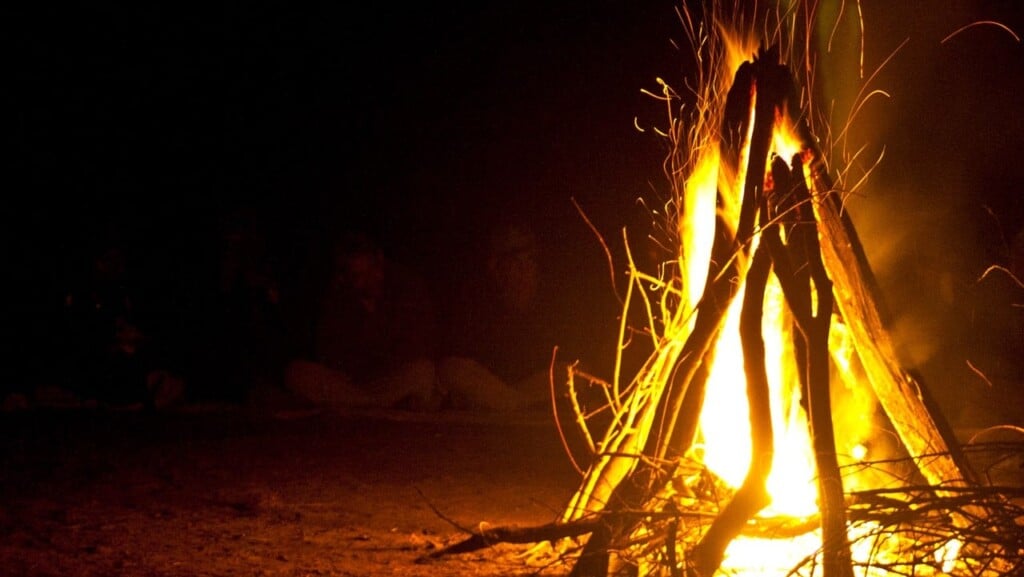
Open burning includes any outdoor fire that releases smoke directly into the air, such as burn piles and burn barrels. State regulations only allow open burning in limited circumstances and generally only for vegetative materials such as leaves, limbs and yard debris.
Under North Carolina’s open burning rule:
- Residential yard waste and commercial land-clearing debris may only be burned between 8 a.m. and 6 p.m., and no additional vegetation may be added after 6 p.m.
- Burning is only allowed when the air quality forecast is Code Green or Code Yellow. Burning is prohibited on Code Orange, Red or Purple air quality days.
- Residents may only burn vegetation that originated on their own property, and only if local ordinances allow it and curbside yard waste collection is unavailable.
- Campfires, cooking fires and bonfires are permitted unless prohibited locally, provided only natural vegetation such as firewood is burned.
The agency also reminds contractors and developers that commercial land-clearing burns must comply with additional state regulations, including setback requirements from occupied buildings and public roads.
Officials say illegal burning can harm air quality, threaten public health and increase the risk of wildfires. According to the state, careless debris burning remains the leading cause of wildfires in North Carolina.
The Division of Air Quality works with local law enforcement, fire departments, fire marshals and the N.C. Forest Service to enforce the state’s open burning rules. Violations can result in civil penalties of up to $25,000 per violation, per day.
Some outdoor burns also require permits from the N.C. Forest Service, and local governments may have stricter regulations than state law.
Residents can report suspected illegal burning to their regional DEQ office.