Instagram executive takes the stand in Meta trial
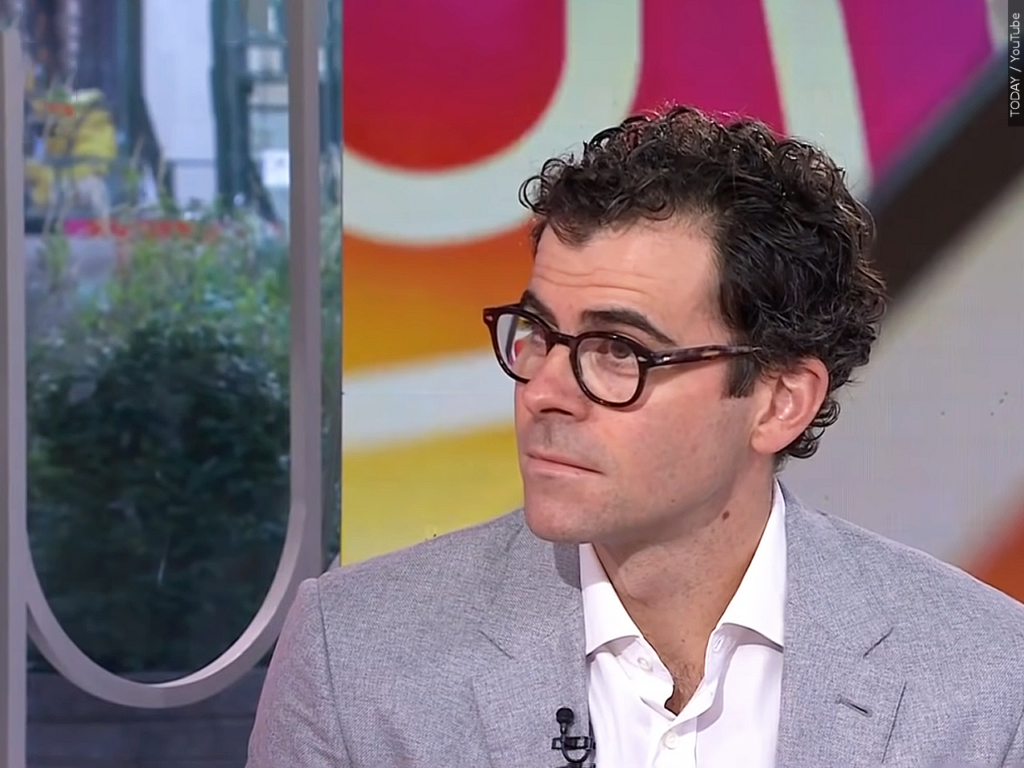
(ABC) — Instagram head Adam Mosseri took the witness stand Tuesday in the latest high-profile social media addiction trial against Meta, Instagram’s parent company, in federal court in Oakland, California.
During about an hour of testimony, Mosseri denied hiding information from the public about the safety of the popular social media app.
Several state attorneys general are suing Meta, claiming the tech giant designed its social media platforms, which include Instagram, Facebook, and WhatsApp, to engage children and get them addicted to using them, while misleading users about the safety of the apps.
Meta has pushed back on the claims, calling them “unsubstantiated” and arguing the company has created protections for younger users.
During testimony on Tuesday, the states’ attorney Jason Slothouber from Colorado began questioning Mosseri about his regular public speaking engagements and whether part of his job is to help “humanize” Instagram.
“I do think it’s important and valuable for us to explain what we do to the public,” Mosseri said. He said he agrees Meta should not lie or deceive its users.
Slothouber questioned Mosseri on whether Meta lawyers recommended hiding sensitive internal research about the app from him. Mosseri said it would “surprise” him if that happens.
“I’m not a legal expert, so I’m not sure what the reasons might be for removing information from presentations before they get to me. But not trying to encourage my team to hide anything,” Mosseri said.
Slothouber pressed Mosseri on whether Meta employees limited the information the Instagram executive saw about the app in order to reduce his legal exposure.
“I have been very consistent in guiding my teams that I want to understand how things work so we can make informed decisions,” Mosseri said. “I can’t think of any time I’ve encouraged people to bring less information to me.”
Mosseri’s testimony is set to resume Wednesday.
The lawsuit was first filed by a bipartisan coalition of 29 state attorneys general against Meta in October 2023 in the Northern District of California. Four state attorneys general of California, Colorado, New Jersey and Kentucky, are representing the case and presenting arguments in court. Opening statements in the case began last week.
Meta had claimed in a court document damages in this case could reach $1.4 trillion but last week said the penalties could total closer to $200 billion.
“The State AGs may call this a landmark case, but their limited claims are unsubstantiated and their financial demands are vastly disproportionate,” a Meta spokesperson said previously, in a statement to ABC News. “The AGs offer no proof anyone in their states was misled, claim benign features like having an additional Instagram account somehow harmed their residents, and attempt to penalize Meta for industry-wide challenges like age verification.”
“Rather than sticking to the facts or the law, the states have instead decided to chase an outlandish payout,” the spokesperson continued. “We stand by our record of creating strong protections for teens, and look forward to making our case in court.”
Earlier Tuesday, Instagram’s director of product design Francesco Fogu also took the stand.
Mosseri has been the head of Instagram since 2018 and oversees the platform’s design and engineering teams.
He testified earlier this year in another trial, brought in the California Superior Court of Los Angeles County, that alleged Meta and YouTube, which is owned by Google, had designed their apps and platforms with specific features intended to be addicting for young users. That case centered around a 20-year-old plaintiff named Kaley, whose lawyers said she became addicted to social media apps starting at age 6, which ultimately led to her developing mental health and body image issues.
At the time, Mosseri testified that he disagreed with the term “addiction” as used in the lawsuit and said “clinical addiction” is different from “problematic use” of Instagram, which he described as users spending “too much time” on the platform.
Mosseri also testified that there is a tradeoff between “safety and speech” and pointed to users who dislike when Instagram features are removed or changed.
A jury decided in May that Meta and YouTube were negligent for designing apps that harmed kids and teens and failed to warn them about the dangers, awarding Kaley and her mother $6 million in damages. Meta and YouTube both said they disagreed with the verdict and would appeal the decision afterward.