NC ports authority pauses Wilmington Harbor deepening project amid PFAS concerns
WILMINGTON, NC (WWAY-TV) — The North Carolina State Ports Authority is pausing its proposed Wilmington Harbor deepening project amid concerns about potential environmental impacts, including the disturbance of PFAS, commonly known as “forever chemicals,” in the Cape Fear River.
Ports authority Executive Director Brian Clark sent a letter to the U.S. Army Corps of Engineers requesting a suspension of the project.
“While we are certain the economic benefits from such a project could have lasting positive impact on the entire state, what has become clear during this process is a need to pause and give adequate study and reflection to the potential environmental impacts of a project of this magnitude,” Clark wrote.
The proposed project would have deepened about 26 miles of the Cape Fear River from 42 feet to 47 feet, allowing larger container ships to enter the Port of Wilmington.
The decision was welcomed by environmental advocates who have raised concerns about the project during a series of public hearings.
“Smart decision. Absolutely the best thing that the state could have done,” said Emily Donovan, co-founder of Clean Cape Fear.
Donovan said she was particularly encouraged that the ports authority cited PFAS concerns in its decision to pause the project.
“Especially the fact that they highlighted PFAS because we know now certain PFAS are designated as hazardous substances,” Donovan said. “So there would be a tremendous amount of liability and cleanup that would be required, which was what we cited.”
Kemp Burdette of Cape Fear River Watch said PFAS was one of several environmental concerns surrounding the proposed deepening.
“This project was definitely going to have impact above and beyond just dredging up PFAS,” Burdette said.
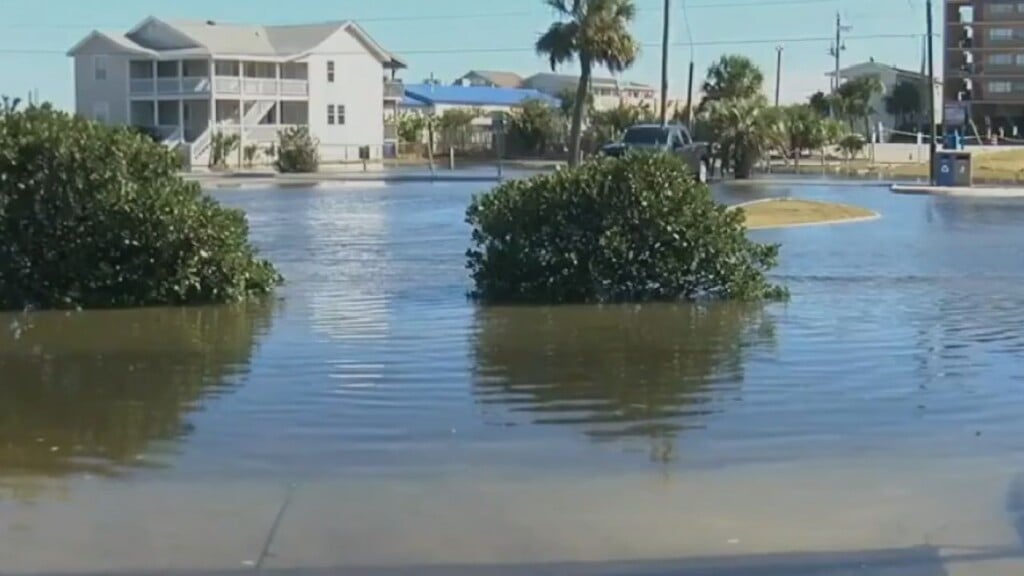
He said the project also raised concerns about flooding, saltwater intrusion, mitigation and potential impacts to important bird and fish habitats.
Donovan’s comments come shortly after she traveled to Switzerland to address the United Nations Human Rights Council about the impacts of PFAS.
She said the pause demonstrates what can happen when communities and organizations work together to raise concerns.
“I think also we have to remember that this community had its public trust so severely violated nine years ago when we learned that we were drinking extreme levels of PFAS in our tap water without our consent,” Donovan said. “So I think at this point, the question now becomes, what are we willing to consent to?”
In his letter, Clark said the ports authority will pursue a new strategic plan focused on increasing the tonnage, or total volume of cargo, moving through the Wilmington Harbor.