New Hanover County Schools updates policy for employee recordings
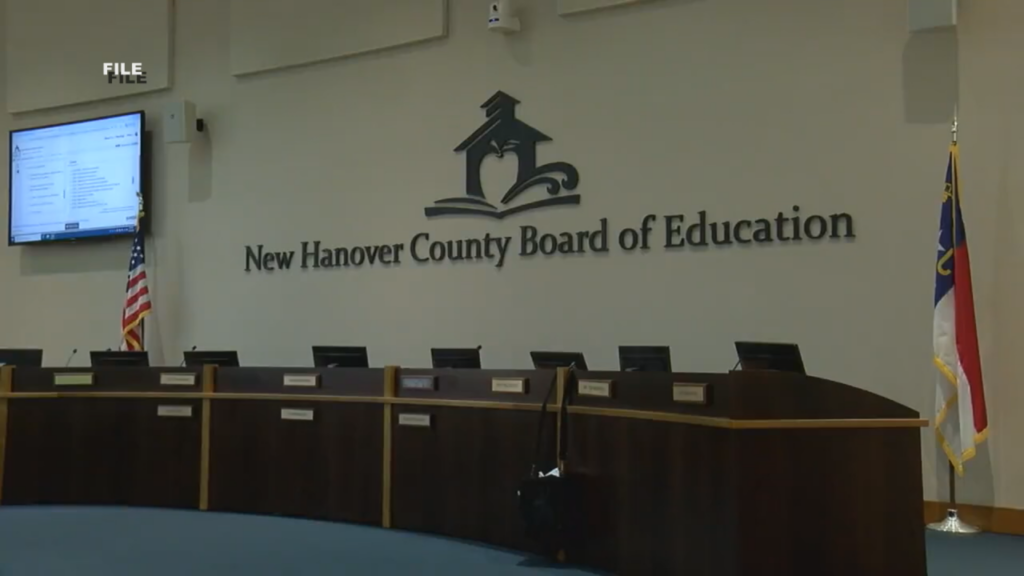
NEW HANOVER COUNTY, NC (WWAY) — During Tuesday’s New Hanover County Board of Education meeting, a new NHCS policy outlines when employees can record students and other employees on school property or during school-sponsored activities.
Under Policy 7325, employees generally must get prior permission from a principal before recording students or employees in a classroom or at a school-sponsored event that is not open to the public.
The policy requires employees seeking permission to explain why the recording is being made, who will have access to it, how it will be used and how it will be stored. Principals can approve recordings only when they serve a legitimate educational purpose.
The policy also addresses parental consent.
In general, school employees cannot make video or voice recordings of students without prior parental consent. Exceptions include recordings used solely for safety demonstrations, academic or extracurricular activities, classroom instruction, student identification cards, or security and surveillance.
Employees are also prohibited from making secret or covert recordings of other people on school property or during school-sponsored activities.
There are exceptions for recordings intended to document or support whistleblowing involving alleged illegal discrimination or harassment, financial improprieties, ethical violations or other illegal practices.
The policy allows employees to record events that are open to the public, such as athletic competitions, concerts, assemblies, presentations and award ceremonies, unless recording restrictions are announced beforehand.
It also permits certain openly made recordings of meetings and hearings. For example, school officials may audio-record student meetings and discipline hearings. Employees may record meetings involving their own formal grievances, evaluations or disciplinary matters, but must provide advance notice.
The policy also allows schools to use video-only security cameras in common areas, parking lots, school buses and other areas where people do not have a reasonable expectation of privacy. Cameras are prohibited in places such as restrooms, locker rooms, nurses’ offices and lactation rooms.
Any recordings made by employees must be maintained and disposed of according to applicable state and federal laws and school system policies.
Employees who violate the policy can face disciplinary action, up to and including dismissal.