North Carolina encourages water conservation despite recent rainfall
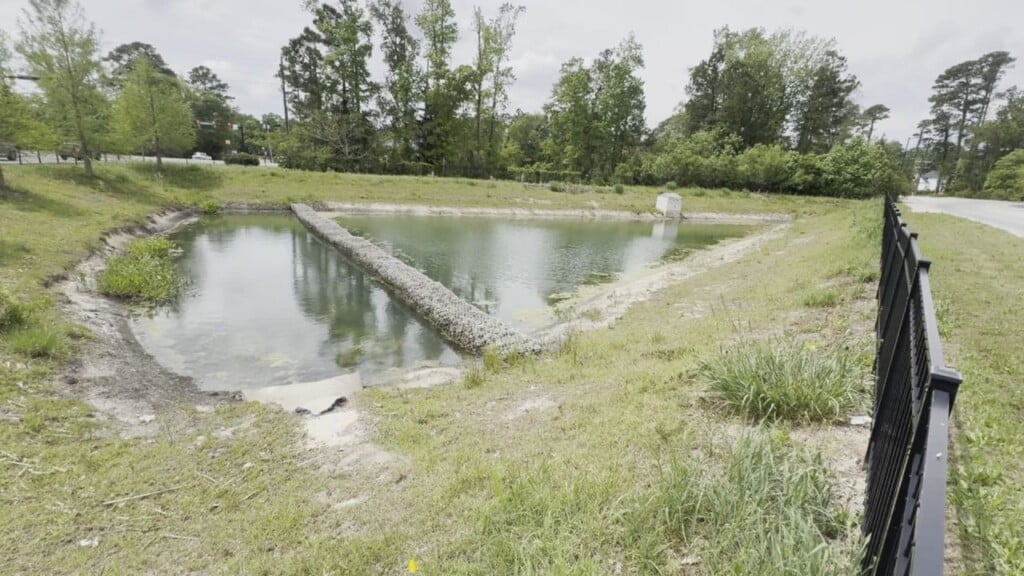
RALEIGH, NC (WWAY) — Despite recent rounds of heavy rain across North Carolina, state officials say residents should continue conserving water as much of the state remains under drought conditions.
The North Carolina Department of Environmental Quality (DEQ) said the recent rainfall has provided short-term relief in some areas but has not erased months of precipitation deficits that have been building since last fall. Some parts of the state remain more than 20 inches below normal rainfall.
“The big concerns are the reservoir levels,” said Klaus Albertin, chair of the North Carolina Drought Management Advisory Council (DMAC) and a water resources engineer with DEQ’s Division of Water Resources. “It’s not going to bring everything back up to full, but it’s going to make a difference. Even if areas get 4 inches of rain, some will still be a dozen inches behind.”
Officials said the rainfall has helped stabilize water levels in some reservoirs, but reservoirs, streamflows and groundwater levels across North Carolina remain below normal. While recent storms have brought flash flooding to some communities, experts say drought recovery depends on sustained rainfall over time rather than isolated heavy downpours.
Albertin noted that recent rains have likely improved lawns and gardens but cautioned that the hot summer months typically bring higher water usage. Whether reservoirs recover also depends on where the rain falls.
“The last few weeks have really helped them stabilize, but we’re not seeing improvements yet,” Albertin said. “It’s a good thing, but we’re going to need more rain for them to start filling up.”
As of the latest drought assessment released Thursday, every county in North Carolina remains either in drought or classified as abnormally dry.
According to the Drought Management Advisory Council:
- 2 counties — Brunswick and Rockingham — remain in Exceptional Drought (D4), the highest drought category.
- 32 counties are experiencing Extreme Drought (D3).
- 48 counties are in Severe Drought (D2).
- 7 counties are in Moderate Drought (D1).
- 11 counties are classified as Abnormally Dry (D0).
Officials are encouraging residents to check with their local water utility for any restrictions that may already be in place, including limits on lawn watering, sprinkler use and car washing.
Residents can also help conserve water by:
- Running only full loads of laundry and dishes.
- Limiting outdoor watering.
- Fixing household leaks.
- Following any local water restrictions.
Water systems in counties classified under Exceptional or Extreme Drought are advised to implement their Water Shortage Response Plans and report weekly water use and conservation efforts.
The Drought Management Advisory Council meets weekly to evaluate conditions across the state and submit recommendations used to update the U.S. Drought Monitor.