North Carolina officials warn of harmful algal blooms ahead of Fourth of July
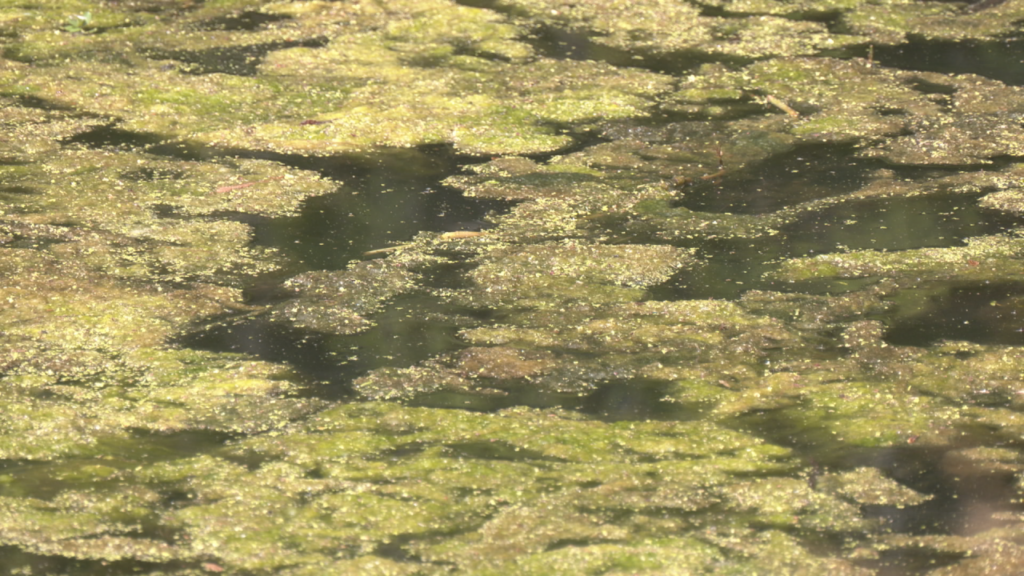
RALEIGH, NC (WWAY) — North Carolina environmental officials are urging residents and visitors to avoid contact with discolored water this holiday weekend, warning it could indicate the presence of a harmful algal bloom.
The NC Department of Environmental Quality’s Division of Water Resources issued the reminder ahead of the Fourth of July as more people are expected to visit lakes, rivers and other waterways across the state.
Algae naturally occur in all bodies of water and play an important role in aquatic ecosystems. However, certain environmental conditions — including warmer temperatures, increased sunlight, excess nutrients and slow-moving water — can cause algae to multiply rapidly, creating blooms.
Some blooms can produce toxins that may pose health risks to people, pets and aquatic life. State officials said harmful algal blooms cannot be identified based on appearance alone, but people should avoid water that appears bright green, blue, discolored or scummy.
The NC Department of Health and Human Services also recommends keeping children and pets away from suspected algal blooms and avoiding contact with large mats of algae or dead fish that may be present.
Anyone who comes into contact with a suspected algal bloom should wash thoroughly. Pet owners should rinse animals with clean water if they have been exposed and seek veterinary care immediately if a pet begins to stumble, stagger or collapse after being in a lake, pond or river. Parents should seek medical care if a child becomes ill after exposure to water containing an algal bloom.
WWAY covered an algal bloom in Wilmington in 2019, where three dogs died after swimming in a retention pond.
State officials also recommend avoiding handling, cooking or eating dead fish found near suspected blooms.
The Division of Water Resources encourages the public to report suspected algal blooms to the nearest DEQ regional office or through the agency’s online reporting system. Reports that include photos, a description and contact information help officials determine whether additional investigation and water sampling are needed.
Health officials also remind residents that bacteria and other pollutants may be present in recreational waters and encourage visitors to follow general water safety precautions throughout the summer.