Officials urge deer hunters to help slow spread of chronic wasting disease in North Carolina
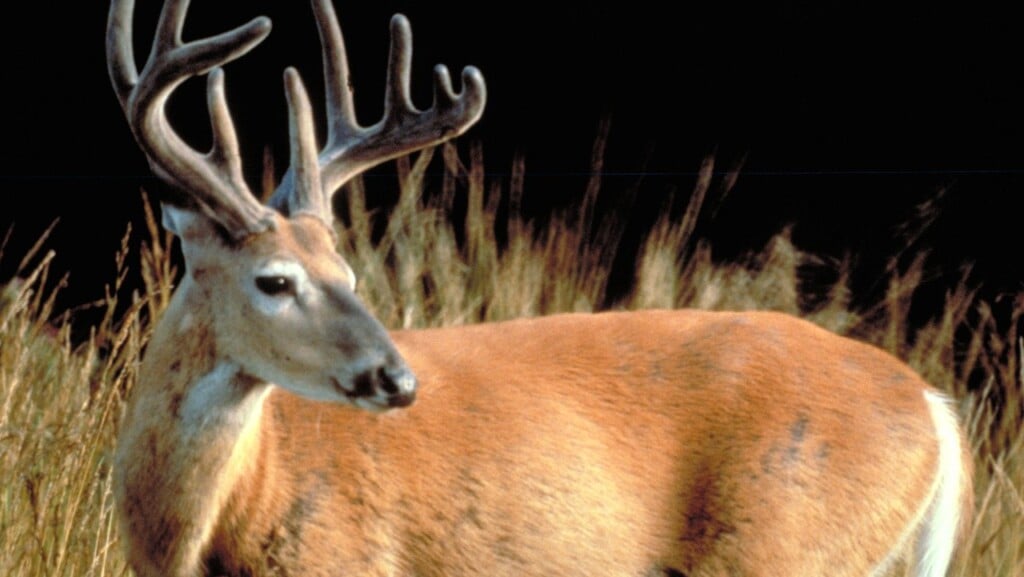
ROCKY MOUNT, NC (WWAY) — The North Carolina Wildlife Resources Commission is inviting hunters, landowners and residents to an informational meeting this month following the recent detection of Chronic Wasting Disease (CWD) in Edgecombe County.
The meeting will be held Aug. 13 from 6:30 p.m. to 8:30 p.m. at the East Carolina Agricultural & Education Center in Rocky Mount. Wildlife officials will discuss new hunting regulations, surveillance efforts and management strategies aimed at slowing the spread of the disease.
Edgecombe County became the latest county in North Carolina where CWD has been confirmed after four infected deer were identified during the 2025-26 deer season.
“This meeting is an excellent opportunity for hunters to learn about the detection of CWD in Edgecombe County, the resulting new Surveillance Area, and to ask questions about how these changes may impact their hunting seasons moving forward,” Wildlife Health Biologist Miranda Turner said in a news release.
According to the Wildlife Resources Commission, CWD is a fatal neurological disease that affects deer and other members of the deer family. The disease is caused by infectious proteins known as prions and spreads through contact between deer and contamination in the environment, including soil.
In an interview with WWAY, NC Wildlife deer biologist April Boggs-Pope said infected deer can spread the disease long before showing any outward signs. “Chronic wasting disease is a fatal neurological disease in deer. It’s 100% fatal,” Boggs-Pope said. “Deer with the disease don’t show symptoms until potentially two years after being infected, and during that time they’ve been contacting other deer and spreading it.”
The agency has confirmed CWD in seven North Carolina counties, with most cases concentrated in the northwestern part of the state. However, recent detections in Edgecombe, Cumberland and Sampson counties have expanded surveillance efforts in eastern North Carolina.
Boggs-Pope said the state has monitored for CWD for more than two decades and has tested more than 100,000 deer. Officials say early detection gives wildlife managers the best chance to slow its spread. “We want our deer populations to be healthy, so we want to slow down the spread of disease and keep prevalence as low as we possibly can,” Boggs-Pope said.
The Wildlife Resources Commission said hunters can help by properly disposing of deer carcasses, participating in voluntary testing and following regulations within CWD surveillance areas.
Although there have been no reported cases of CWD spreading to humans, health officials recommend hunters avoid eating meat from deer that test positive. The Centers for Disease Control and Prevention also advises against consuming meat from infected animals.
Boggs-Pope said the agency currently estimates North Carolina’s deer population at about 1.3 million animals. Southeastern North Carolina continues to have healthy deer numbers, although CWD has now been detected in neighboring Cumberland and Sampson counties.
Officials said slowing the disease now is critical because widespread impacts on deer populations may not become apparent for years.
The Aug. 13 meeting will include a question-and-answer session where attendees can learn about testing locations, carcass disposal requirements and new regulations for CWD surveillance areas.