Pender County commissioner shows support for Flock cameras amid nationwide scrutiny
NEW HANOVER COUNTY, N.C. (WWAY) — New Hanover County commissioners are pledging to take a closer look at the placement and use of Flock Safety cameras as residents raise concerns over privacy and potential surveillance.
The discussion comes after protesters gathered outside Monday’s Board of Commissioners meeting, carrying signs and speaking out against the automated license plate reader cameras used by law enforcement.
More than 40 people spoke against the cameras during the meeting, with no speakers voicing support for their use.
One resident told commissioners she was concerned about the amount of data the cameras collect and where that information is stored.
“They want us to accept these Flock cameras filming our every move on foot or in car, day and night, and where are they storing this privacy invasion? In data centers which are taking up the rest of our space,” she said.
DeflockILM, a local group opposing the cameras, said information obtained through a public records request showed Flock cameras have been searched nearly 3 million times since January 2025.
New Hanover County commissioners said they plan to gather more information about the cameras and discuss potential policies with the county manager and New Hanover County Sheriff Ed McMahon.
While residents in New Hanover County have pushed back against the technology, at least one elected official in neighboring Pender County is defending its use.
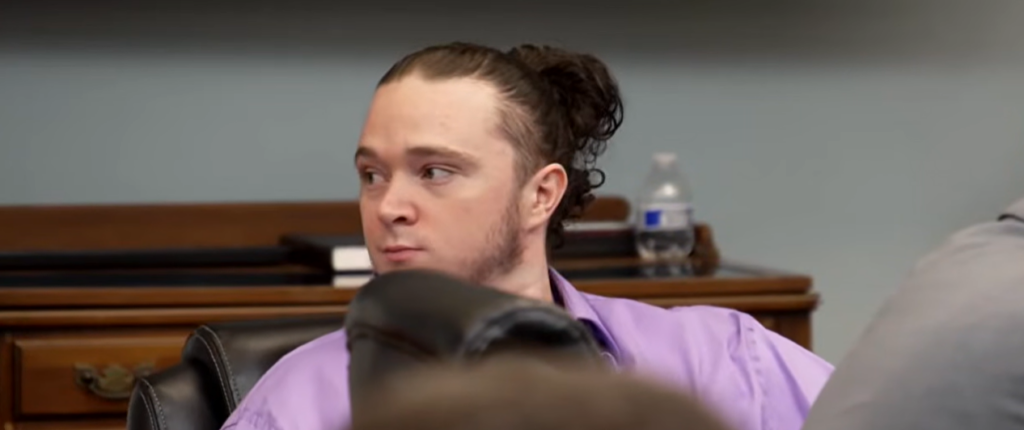
Pender County Commissioner Randy Burton spoke in support of Flock cameras during Monday’s commission meeting, saying the technology helps law enforcement solve crimes and save lives.
“There is a great deal of misinformation throughout the local region and the United States right now about the Flock cameras,” Burton said.
Burton’s comments came after Hampstead resident Christopher Lutterloah asked commissioners to remove several Flock cameras located in the area.
“I have personal knowledge of lives that have been saved using these camera systems, and murders that have been solved, if it were not for this camera system that perpetrator would still be out there,” Burton said.
Lutterloah raised concerns about how information collected by the cameras is stored and shared.
“Unlike traditional license plate readers, that operate locally Flock is a centralized third-party cloud network, once our citizens data goes into a Flock system, we lose exclusive control over it,” Lutterloah said.
Mark Weinstein, a consultant for Flock, said the cameras photograph the rear of vehicles and upload those images to a secure cloud system, where the information is processed.
“It takes pictures of the back ends of vehicles and that’s it,” Weinstein said. “And then that information is cataloged and available for that respective customer, so it’s not a nationwide database or anything like that.”
Weinstein said individual law enforcement agencies can choose to share information collected by the cameras with other agencies across the country.
Some residents have also raised concerns that the cameras could be used for broader surveillance or facial recognition. Weinstein disputed those claims.
“It is not a video camera, it’s not a surveillance camera or Ring camera or doorbell camera, it’s a product, a device, a piece of hardware that sits on the side of the road,” Weinstein said.
Flock recently announced that data collected by its cameras will be retained for seven days instead of 30 days.
McMahon has also said the New Hanover County Sheriff’s Office will discipline or even terminate employment of any staff member who abuses the system.
Burton compared the cameras with technology already available to law enforcement officers, who can run license plate numbers from computers inside their patrol vehicles.
“There is a mobile data computer in every law enforcement officer’s car in this county that can run your tag number behind you, anytime they want to, are they doing it for a nefarious purpose? They better not get caught doing that because they will lose their job,” Burton said.
New Hanover County commissioners are expected to continue reviewing the technology and its use as they consider whether additional county policies or restrictions are needed.