Stocks open higher on Wall Street and crude oil prices drop 6% as Mideast tensions cool
NEW YORK (AP) — Stocks are opening higher on Wall Street and oil prices are down 6% after the U.S. and Iran paused their attacks while work resumed on restarting negotiations to end the war. The S&P 500 rose 0.8% early Monday. The index is coming off two weekly losses in a row. The Dow Jones Industrial Average rose 581 points, and the Nasdaq composite rose 1%. Chinese memory chip maker CXMT soared in its debut in Shanghai. After shooting as high as $102 a barrel last week, Brent crude was trading at about $90 a barrel. Treasury yields fell in the bond market.
THIS IS A BREAKING NEWS UPDATE. AP’s earlier story follows below.
BANGKOK (AP) — World shares were mostly higher Monday and oil prices slipped nearly 7% as the U.S. and Iran refrained from fighting while discussing a possible resumption of negotiations on an interim ceasefire deal.
Shares in Chinese memory chipmaker CXMT soared 466% as they began trading on Shanghai’s technology board. The company jumped to become China’s most valuable listed company with an estimated market capitalization of 3.3 trillion yuan (nearly $490 billion).
The Pentagon did not respond to questions about the pause in attacks on Iranian coastal areas and infrastructure after nearly two weeks of escalating fighting sparked by Iran’s firing at ships trying to transit the Strait of Hormuz.
But markets reacted with relief. U.S. futures surged early Monday and the price of a barrel of Brent crude, the international standard, dropped 6.8% to $85.49.
U.S. benchmark crude dropped 7% to $83.06 per barrel.
“Oil’s sharp retreat at the Monday open did more than knock a few dollars off the barrel. It loosened the geopolitical knot that had been tightening around equities, currencies, bonds and central banks for most of July,” Stephen Innes of SPI Asset Management said in a commentary.
In early European trading, Germany’s DAX gained 1.6% to 25,497,42 and the CAC 40 in Paris was up 0.8% at 8,436.94. Britain’s FTSE 100 rose 0.5% to 10,784.00.
The futures for the S&P 500 and Dow Jones Industrial Average were up 1%.
In Asian trading, Japan’s benchmark Nikkei 225 rose 0.5% to 64,931.19, while the Kospi in South Korea advanced 1% to 6,755.75.
Hong Kong’s Hang Seng climbed 1% to 25,207.18, while the Shanghai Composite index gained 1.2% to 3,858.25.
In Australia, the S&P/ASX 200 surged 1.4% to 8,894.00.
Taiwan’s Taiex slipped 0.1% and the Sensex in India added 1.1%.
On Friday, the S&P 500 barely budged, picking up less than 0.1% and notching its second straight losing week for the first time since March.
The Dow industrials rose 0.5%. The Nasdaq composite index slipped 0.6%, weighed down by sharp losses for heavyweights like Micron Technology, which fell 7%, and Broadcom, which lost 2.7%.
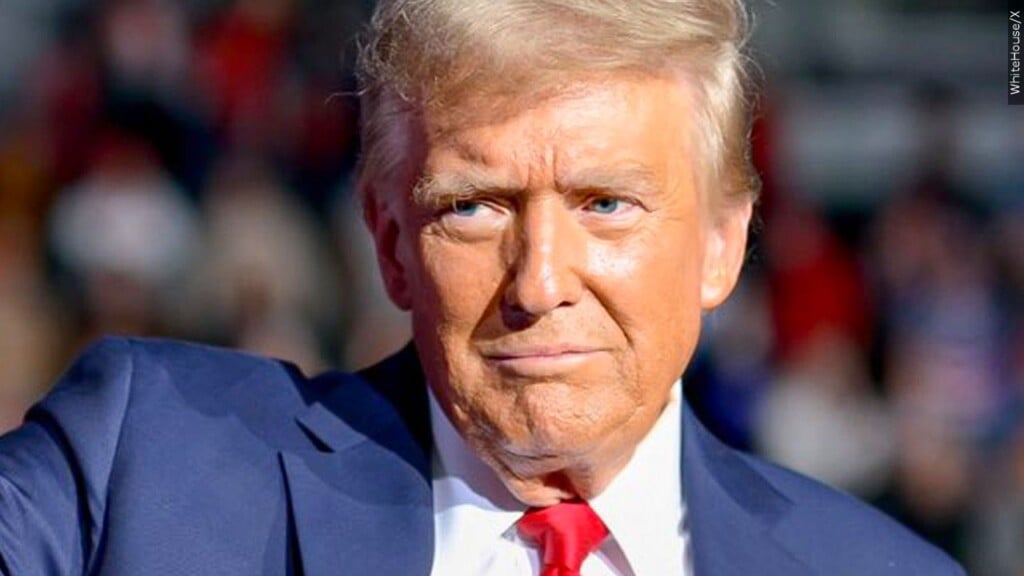
Recent surges in energy prices and fresh tariffs announced last week by the administration of U.S. President Donald Trump could result in hotter inflation, which has been squeezing consumers and looming over the Federal Reserve’s interest rate policy.
The Fed meets this week, though rising inflation has dashed hopes for an interest-rate cut anytime soon. Wall Street has been leaning toward a potential rate hike to tamp down higher prices.
Higher energy costs are taking up a bigger share of household budgets, which have shifted toward more basic needs, like gasoline. Nationally, a gallon of gasoline costs $4.11 per gallon, according to AAA. That is still lower than this spring as the conflict in Iran expanded, but almost a dollar higher than last year at this time.
“Oil is the fastest-moving tax in the global economy. When crude rises sharply, consumers feel it at the fuel pump, airlines and transport companies feel it in their operating costs, manufacturers feel it in their logistics, and central banks begin worrying that the initial supply shock will spill over into broader inflation expectations,” Innes said.
Meanwhile, corporate earnings reports are focusing attention on the sustainability of broader profits from a boom in spending on artificial intelligence. Tech giants like Alphabet and Nvidia have been spending heavily to expand AI capacity and investors increasingly are questioning whether they will generate profits to justify the massive stock values that have pushed markets market higher throughout the year.