Study examines coastal black bears’ genetic health amid development
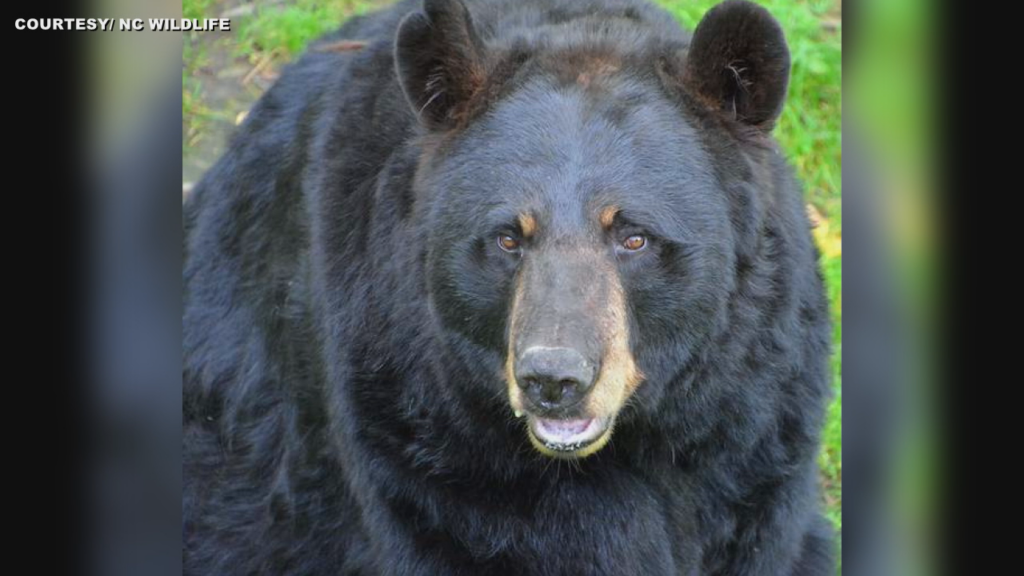
LELAND, NC (WWAY) — If you spot a black bear in the Cape Fear region, you might think it’s a rare sight. But biologists say southeastern North Carolina is home to some of the highest densities of black bears in the state.
Researchers are studying the bears’ genetic health and how a changing landscape could affect the future of the coastal population.
According to Jenna Malzahn, a bear biologist with the N.C. Wildlife Resources Commission, the coastal region supports high bear densities in part because of its mild climate and abundant food supply.
“So you have a longer growing season, and with that longer growing season, you have more food available year-round, and more consistent food year to year,” said Malzahn.
However, a thriving bear population does not necessarily tell the whole story about its genetic health.
A study from N.C. State University found genetic differences between coastal and mountain black bears. Researchers found that coastal bears have less genetic diversity, possibly due to inbreeding, which could increase their vulnerability to disease and reproductive problems.
Genetics is only part of the picture. The amount and connectivity of available habitat also play an important role in maintaining a healthy bear population.
For bears, habitat is about more than having a place to live. They also need room to move. When roads and development divide the landscape, it can become harder for bears from different areas to find one another and breed.
As southeastern North Carolina continues to grow, changes to the landscape could make it more difficult for bears to move between habitats.
Heather Evans with the N.C. Wildlife Resources Commission says isolated populations may have fewer opportunities to breed with unrelated bears, potentially reducing genetic diversity and allowing harmful genetic traits to become more prevalent.
“You would expect to see what we call deleterious alleles, alleles that are harmful to the population, come into play with either reproductive health or physical health,” said Evans.
Protecting the habitat these bears depend on remains an important consideration as researchers work to better understand what a changing landscape could mean for their future.
As development continues across southeastern North Carolina, wildlife officials are monitoring how changes to the landscape could affect black bears and the long-term genetic health of the coastal population.