UNCW resources aim to support students reporting sexual assault
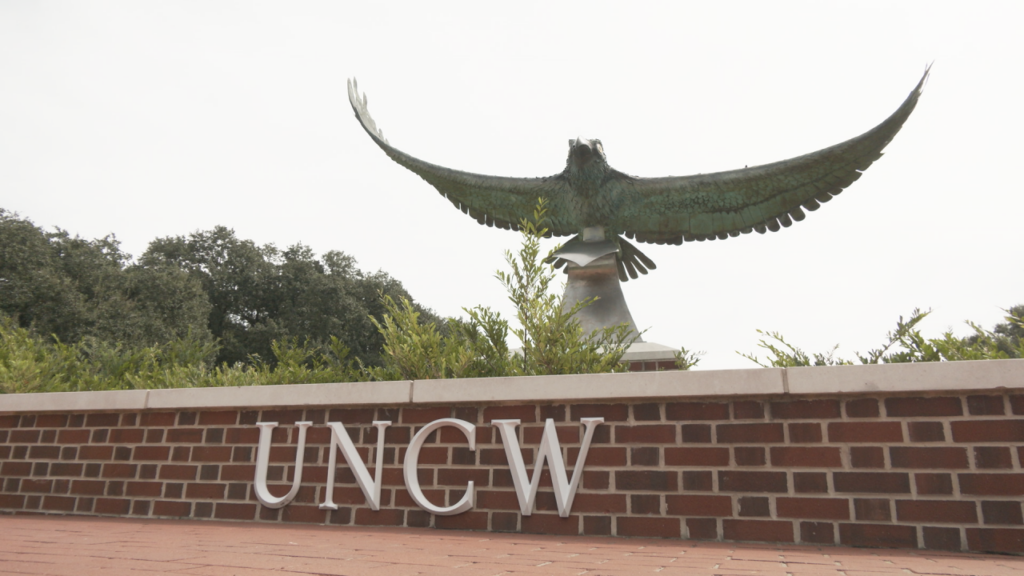
WILMINGTON, NC (WWAY) — Questions about how sexual assault reports are handled on college campuses have drawn renewed attention following the recent case at Cornell University.
At the University of North Carolina Wilmington, students who report sexual assault have several options for seeking support and pursuing an investigation.
The UNCW Care Center, Title IX office, and University Police Department each play a role in responding to reports and helping students understand their options.
“Any report that comes through our doors, whether it’s a sexual assault, a stalking case, a case of harassment, every case is taken seriously,” said Vanessa Torroella, a lieutenant detective with the UNCW Police Department.
Torroella says reports are handled thoroughly from the initial report through the investigation.
“There’s no shortcuts that we take; everything is taken from beginning to end very seriously. Every report is taken very seriously, every investigation is seen from beginning to end,” said Torroella.
When a student reports an incident to University Police, officers take the initial report and can use a specialized interview room designed with survivors in mind. The room has soundproofing and sound machines intended to create a more comfortable environment during what can be a difficult conversation.
Torroella said the space is designed to help survivors feel more comfortable while maintaining their privacy and dignity.
“We provide a safe space to have them, you know, feel some type of comfort, keep their dignity, and have a safe space to have a conversation that’s going to already be difficult as it is, you know, take that first step to talk about their experience,” said Torroella.
Students can also turn to the UNCW CARE Center, which provides confidential support and helps students understand the resources available to them.
Jen August, director of the CARE Center, said the center can serve as a first point of contact. Advocates can help students explore options, including counseling and Title IX support.
“Depending on what they tell us happened to them, our advocates will talk to them about all of the options that are available to them,” said August.
A student may also report an incident directly to the Title IX office, which can connect the student with support and explain the options available under the university’s process.
Ronette Sutton, director of the Office of Title IX and Clery Compliance, said the goal is to allow students to determine what kind of response they want after making a report.
“That could include a civil rights investigation by our investigators; it could be supportive measures, either academic or nonacademic. For some students, it’s ‘I just need some help, and I know who did this, but I don’t want an investigation by your office, I don’t want any criminal investigation,’ and we will honor that,” said Sutton.
Reports of sexual assault, harassment, stalking and domestic violence made to Clery reporting authorities can also be included in the university’s annual crime report.
Sutton said the statistics represent the number of reports made during the previous year, not necessarily the number of individual incidents.
She believes an increase in reported cases can reflect efforts to educate and engage students while creating an environment where they feel more comfortable coming forward.