North Carolina primaries launch all-out battle to replace retiring GOP Sen. Thom Tillis
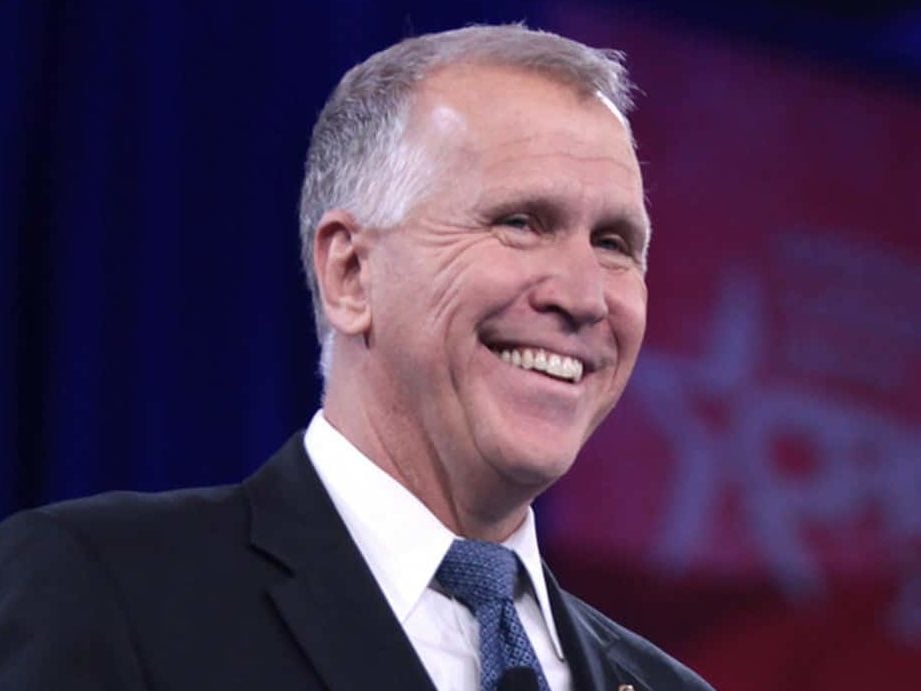
(ABC) — Just hours after voting “no” on advancing President Donald Trump’s “One Big, Beautiful Bill Act” last June, Republican Sen. Thom Tillis of North Carolina found himself under the ire of the president, who threatened the two-term senator with a primary challenger in the following year’s midterms.
Less than a day later, Tillis announced he would not seek reelection, creating a wide-open 2026 race in the purple state that Trump won three times.
Democrats believe they can flip Tillis’ seat; they have former North Carolina Gov. Roy Cooper in the battle, who has won every election he’s ever run since 1986 and was elected statewide as governor in 2016 and 2020 — both years that Donald Trump won North Carolina.
Where the two-term governor has all but won the Democratic nomination, former Republican National Committee Chair Michael Whatley is widely anticipated to become the Republican nominee in the state’s primary elections on Tuesday, kicking off what is expected to be one of the most competitive — and with Cooper and Whatley’s fundraising capabilities, one of the most expensive — races on the map this year as Republicans aim to protect their majority in the Senate and Democrats hope to flip a couple of seats for themselves.
Whatley does not have the same level of name recognition in North Carolina as the former governor, and faces primary challengers in Navy JAG veteran and attorney Don Brown and far-right former North Carolina state superintendent candidate Michele Morrow.
But Whatley carries the endorsement of Trump, who pulled the former party chair up on stage with him during the president’s most recent visit to Fort Bragg in Fayetteville, North Carolina, and called Whatley “phenomenal.”
“The only thing is, he’s not as well known. He was behind the scenes, he was the head of my three campaigns,” Trump told the crowd of troops at the base.
“That kind of powerhouse endorsement that is very coveted in this state has pretty much solidified where Whatley is viewed in terms of Republicans,” said Michael Bitzer, professor of politics and history at Catawba College and director of the Center for North Carolina Politics and Public Service.
Tuesday’s House primary is the first election in North Carolina under the state’s new congressional map, which was redrawn in October by North Carolina Republicans as part of the nationwide redistricting arms race that caused state legislatures across the country to reconsider their congressional boundaries ahead of the midterms. North Carolina’s new map was drawn to give the GOP an advantage in the previously competitive 1st Congressional District, which is currently represented by Democratic Rep. Don Davis. The historically Black, northeastern North Carolina district has been represented by a Black Democrat since 1992.
The change has caused Democrats to set their sights on a western North Carolina seat held by incumbent Republican Rep. Chuck Edwards, banking on a combination of a strong candidate in “Blue Dog” Democrat and farmer Jamie Ager — who leads a crowded Democratic field in the primary — as well as dissatisfaction with recovery efforts following September 2024’s Hurricane Helene in the severely storm-ravaged district that has played a role in the U.S. Senate race as well.
Cooper was governor at the time of Hurricane Helene, and Trump put Whatley –who had been North Carolina GOP chair before he was elected RNC chair — in charge of the recovery effort at the beginning of Trump’s second term.
“I think the big question there is, do western North Carolinians think of the blame going to the federal government and FEMA, or to the state?” Bitzer said. “Democrats are going blame FEMA and particularly Whatley. Republicans are going to blame Cooper and the state government.”
And while these issues will continue to dominate North Carolina’s midterm election from now until November, the most consequential primary races in the state are going to be those for safe Democratic and Republican seats, including a hotly contested rematch in the 4th Congressional District’s Democratic primary between incumbent Rep. Valerie Foushee — who is endorsed by Cooper and current North Carolina Gov. Josh Stein — and left-wing challenger and Durham County Commissioner Nida Allam — who is endorsed by independent Vermont Sen. Bernie Sanders.
The early voting period has been marked by high turnout among Democrats, and Bitzer says that Democratic enthusiasm combined with Cooper’s track record as a twice-elected governor might give Cooper the slight edge over Whatley.
“But we’ve got nine more months to go,” Bitzer added. “Anything can happen in North Carolina politics — and usually does.”