Oysters, clams sent to multiple states could be contaminated with norovirus, FDA warns
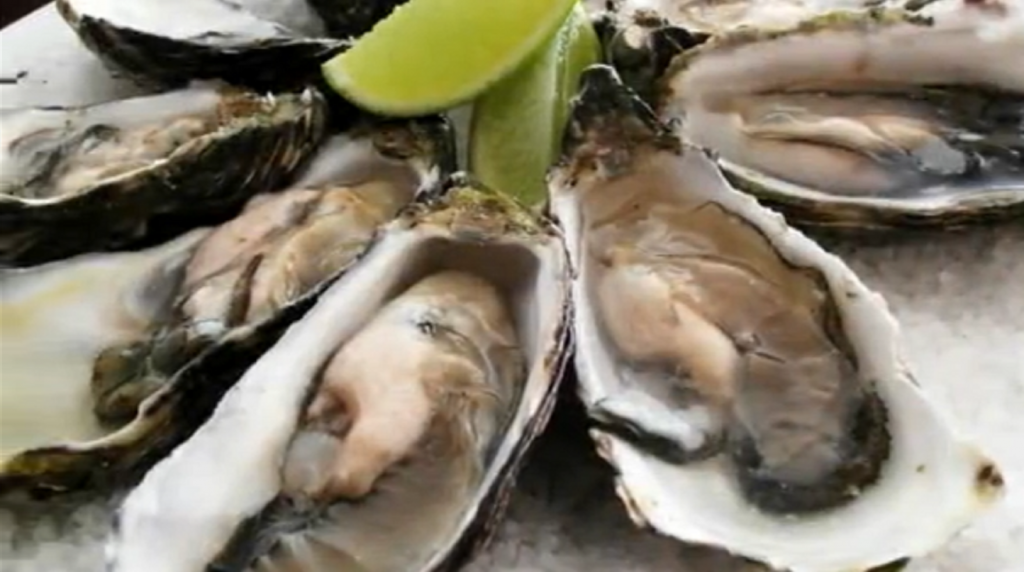
(ABC) — The U.S. Food and Drug Administration has issued an advisory for certain raw oysters and Manila clams, warning they could potentially be contaminated with norovirus.
The March 9 FDA advisory states that restaurants and retailers “should not serve or sell and should dispose of” the affected shellfish, and consumers should “not eat” them, as they may be contaminated with the virus.
The recalled oysters were harvested by Drayton Harbor Oyster Company from Feb. 13 to March 3, 2026, and were distributed in Washington state, according to the FDA.
The recalled Manila clams were harvested from Feb. 13 through March 3 by Lummi Indian Business Council, according to the FDA. The recalled clams were shipped to restaurants and retailers in Arizona, California, Florida, Georgia, Illinois, Nevada, New York, Oregon and Washington “and may have been distributed to other states as well,” the agency states.
ABC News has reached out to Drayton Harbor Oyster Company and Lummi Indian Business Council for comment.
Lummi Indian Business Council currently has a notice posted on its website warning that norovirus has been detected in “shellfish originating from Drayton Harbor area.” The notice does not mention a recall or the FDA advisory.
The FDA cautions that norovirus‑contaminated shellfish can cause illness even when they “look, smell, and taste normal.” The agency has advised anyone who experiences symptoms to contact a health care provider and report any illness to local health departments.
“Shellstock, or raw, live molluscan shellfish such as oysters and clams contaminated with norovirus can cause illness if eaten, and potentially severe illness in people with compromised immune systems,” the FDA states.
Norovirus is the leading cause of foodborne illness in the U.S., causing 58% of foodborne illnesses each year, and responsible for about 2,5000 outbreaks annually, according to the Centers for Disease Control and Prevention.
The most common symptoms of norovirus include nausea, vomiting, stomach pain and diarrhea. Patients can also experience fever, headaches and body aches.
Typically, an infected person will develop symptoms between 12 and 48 hours after being infected. Norovirus typically resolves quickly and, in most healthy adults, lasts one to three days, according to the CDC.
Health experts say the best way to prevent norovirus infection is to wash hands with warm soap and water for 20 seconds. Hand sanitizer alone does not work well against norovirus.
The CDC says people should wash their hands after using the toilet or changing diapers, as well as when eating, preparing or handling food.