Some cancer patients turn to ivermectin despite lack of evidence it works for that purpose.
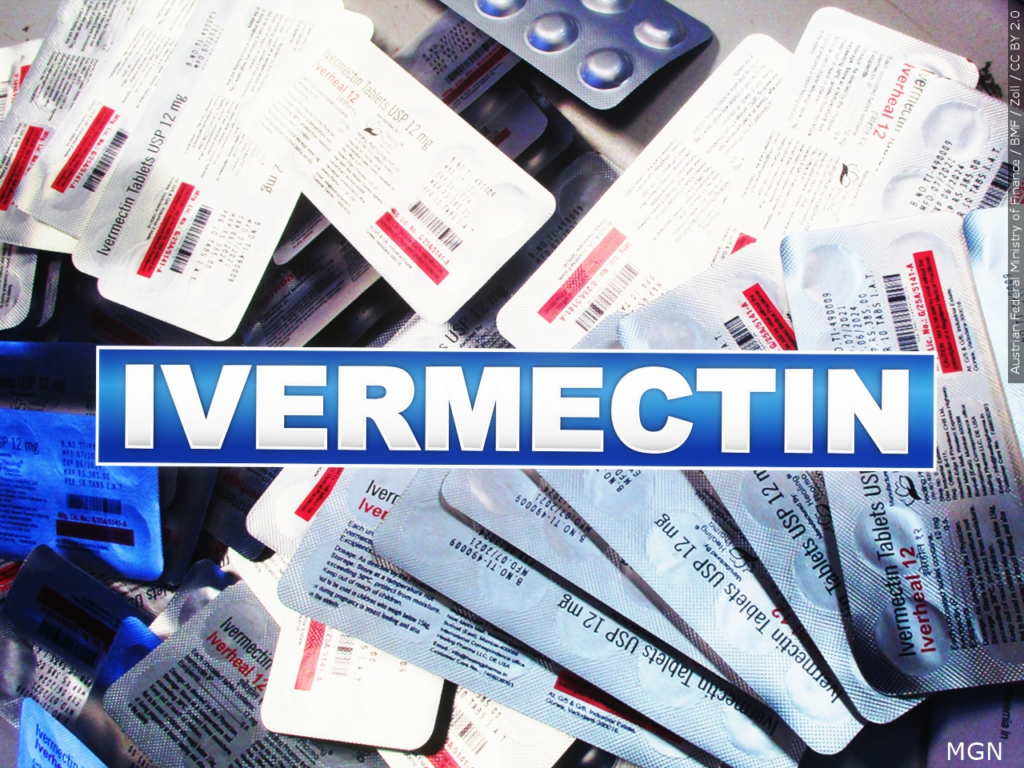
(ABC) — Ivermectin, which surged in popularity during the coronavirus pandemic amid unproven claims that it could help fight COVID-19 infections, has now found a new following among some cancer patients.
Prescriptions for the antiparasitic drug among cancer patients more than doubled in the first half of 2025, following the airing of a popular podcast episode promoting the drug, according to a study published in JAMA.
“I have three friends. All three of them had stage 4 cancer … all three of them don’t have cancer right now, at all,” Mel Gibson told Joe Rogan on his “JRE” podcast. Rogan then asked if Gibson’s friends had taken ivermectin to which Gibson nodded in agreement.
“It has not been proven in any kind of confirmatory clinical trial, which is the gold standard of evidence we need to know whether treatment works,” Dr John Mafi, an associate professor of medicine at the David Geffen School of Medicine at UCLA, told ABC News.
Ivermectin is approved by the FDA as a generally safe drug for treating parasitic diseases in humans. The Nobel Prize-winning drug is also used as a dewormer for horses and other livestock.
Mafi had previously investigated ivermectin’s rise in popularity during the pandemic, during which prescriptions increased tenfold. The FDA has not authorized or approved ivermectin for the treatment of COVID nor cancer, despite its growing presence on social media.
“The concern is that patients are delaying or forgoing treatments for cancer that have proven benefit,” Mafi said.
But for some facing a terminal diagnosis, ivermectin has become an unlikely source of hope, despite the lack of scientific evidence supporting its use for cancer. Former NHL star Ron Duguay, who was diagnosed with stage 4 colon cancer in 2024, has been taking ivermectin alongside his standard cancer therapies.
Duguay, a skilled scorer who had his best years with the New York Rangers, played for 12 years in the NHL, where he never backed down from a fight — a trait he carries into his cancer treatment.
“In certain circumstances, I will fight until I drop,” Duguay, now 68, told ABC News. “And when I drop, I’m getting up.”
He has been taking ivermectin alongside his standard cancer treatment provided by doctors. He says he paused his ivermectin dosages while he took part in a clinical trial, but says he plans to restart taking the drug once the trial is over.
Ivermectin dosages are based on a patient’s weight. For patients taking the drug without a prescription and the supervision of a physician, they risk experiencing an overdose, experts say.
“In very high doses, it can lead to seizure or coma,” Mafi said. “In extremely high doses, even death, although that’s rare.
The video player is currently playing an ad. You can skip the ad in 5 sec with a mouse or keyboard
Calls to poison centers around the country for ivermectin doubled in the period between 2024 and 2025, according to data shared with ABC News by America’s Poison Centers, which represents the nation’s 53 poison centers. Reasons for why people called or what condition they took the drug for were not captured in the data.
Duguay says he is determined to continue fighting his disease with every option available to him, and encourages others in similar situations to keep an open mind.
“As an athlete, I’m going for it,” Duguay said. “I will take a chance.”
Duguay’s daughter, Shay Thomas, told ABC News she is simply grateful to still have time with her father.
“These moments mean everything to me,” she said through tears as Duguay played on the beach with her children.
The video player is currently playing an ad. You can skip the ad in 5 sec with a mouse or keyboard
Duguay says he remains hopeful about the future — envisioning himself still skating with his grandchildren decades from now.
“I believe that I’ll still be skating at the age of 90,” he said. “I try not to envision the darkness. I envision the light.”