Lawsuit launched seeking Endangered Species Act protections for Venus flytrap
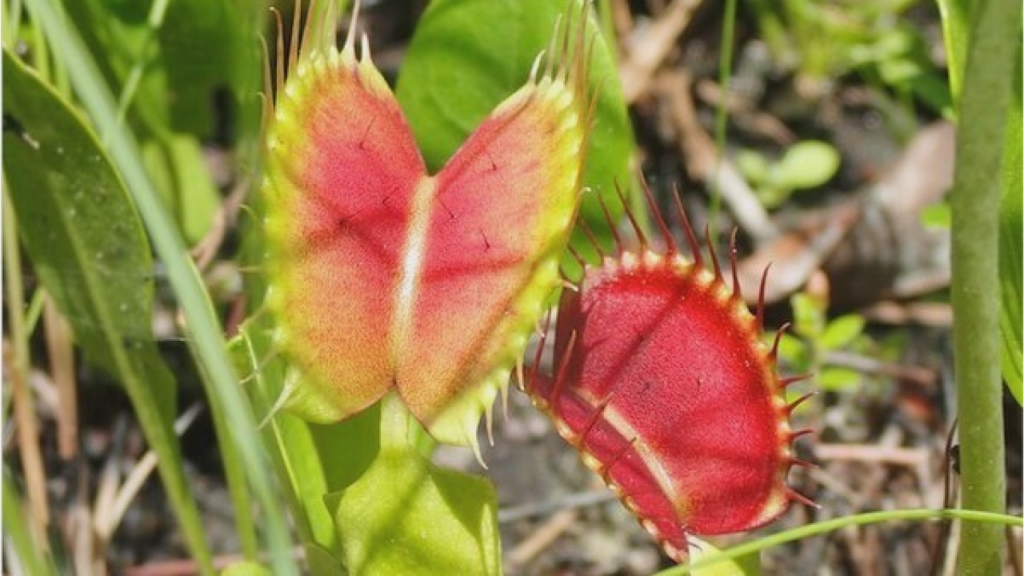
WILMINGTON, NC (WWAY) — A conservation group is preparing to sue the U.S. Fish and Wildlife Service over its decision not to grant Endangered Species Act protections to the Venus flytrap, a carnivorous plant found naturally only along the coastal plain of North and South Carolina.
The Center for Biological Diversity notified the Fish and Wildlife Service Thursday of its intent to file a lawsuit challenging the agency’s 2023 decision to deny protections for the plant.
The group says Venus flytraps have declined significantly in the wild, with habitat loss, poaching, a lack of fire and climate change among the primary threats.
“Given its tiny range and these threats, the Venus flytrap amply deserves protection as an endangered species,” said Don Waller, a retired University of Wisconsin botany professor and lead author of a petition seeking federal protection for the plant.
Venus flytraps grow in wet, open longleaf pine savannas and depend on frequent fires to prevent other vegetation from overtaking their habitat.
According to the Center for Biological Diversity, development has destroyed much of the plant’s remaining habitat and made prescribed burning more difficult.
Most remaining wild Venus flytraps are concentrated in three areas of the Carolina coastal plain, according to the group. Those populations are also vulnerable to sea-level rise and extreme weather.
The conservation group says populations on federal and state lands do not currently have protections specifically designed for the species, while smaller populations on private property have no legal protections.
The dispute over federal protection dates back to 2016, when plant scientists petitioned the Fish and Wildlife Service to list the Venus flytrap under the Endangered Species Act.
The agency initially determined the plant may warrant protection but later delayed a required listing decision. The Center for Biological Diversity sued the agency over the delay, and the Fish and Wildlife Service ultimately denied federal protection in 2023.
The Center says that decision improperly assumed large remaining Venus flytrap populations would continue to receive prescribed-fire management. The group also argues the agency failed to adequately consider the effects of sea-level rise and incorrectly determined that losing populations in the Sandhills and Inner Coastal Plain would not be significant.
The Fish and Wildlife Service has not announced a change to its 2023 decision.
Venus flytraps are native to a relatively small area near Wilmington, which conservationists say has experienced significant development pressure.
The plants typically grow to about 5 inches tall. Their toothed leaves contain sensitive hairs that trigger the trap to close when prey comes into contact with them.
The plants can take up to 10 days to digest captured prey, which can include insects and spiders as well as, occasionally, small frogs.
The Center for Biological Diversity said it will pursue the lawsuit to seek federal protections for the species.