Iran-backed Houthi rebels warn against joining Saudi Arabia in Yemen’s growing civil war
CAIRO (AP) — A senior official with the Iran-backed Houthi rebels is warning countries against joining Saudi Arabia in Yemen’s revived civil war, telling The Associated Press on Sunday that his group has assured the Trump administration that it won’t attack U.S. vessels in the Red Sea.
Mohamed al-Bukhaiti, a member of the Houthis’ political bureau, said Washington reached out to the rebels after their rapid advance down Yemen’s western coast to the Bab el-Mandeb Strait earlier this month.
“We confirmed that we are not targeting the United States, or any other nation, in the strait, with the sole exception of the Saudi enemy,” he told the AP in a Zoom interview from the rebel-held Yemeni capital, Sanaa. “That remains the case.”
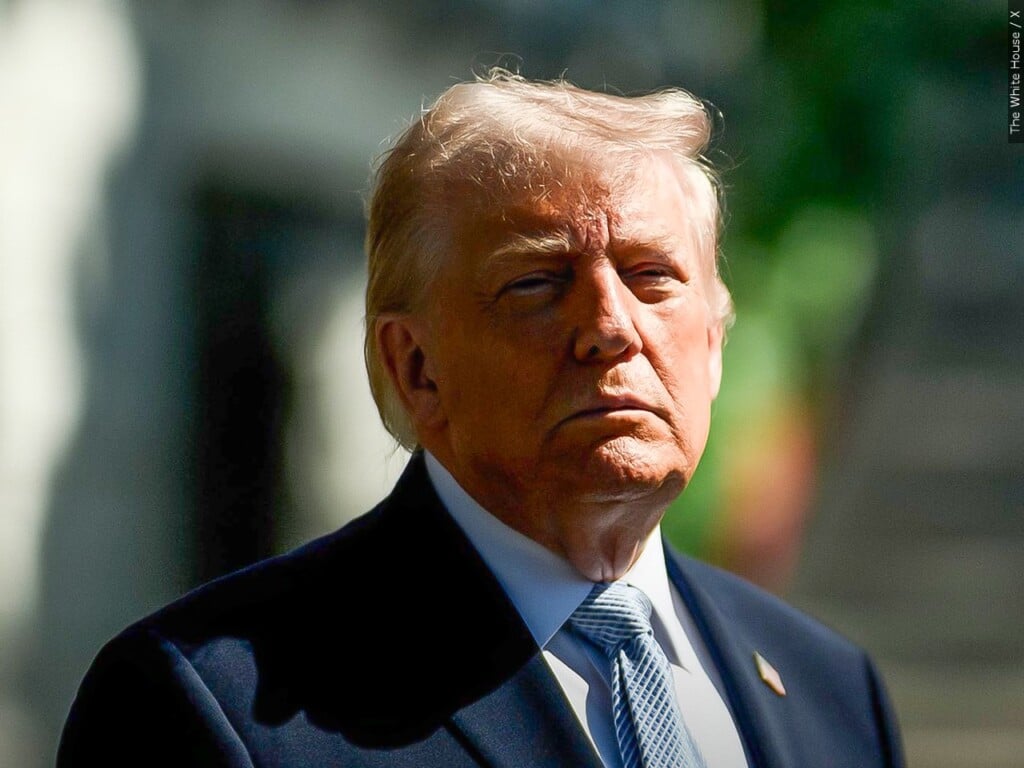
U.S. President Donald Trump last weekend said his administration has “had discussions” with the Houthis, but did not say when. “The Houthis called us, and they don’t want to fight with us,” he said. “They would much prefer not having us involved, and they’re letting most ships go through.”
The AP later reported that Oman hosted a meeting between U.S. and Houthi representatives last weekend, citing a Houthi official and another individual familiar with the talks. They spoke on condition of anonymity because they were not authorized to brief the media.
However, al-Bukhaiti only confirmed indirect contacts with U.S. officials through longtime mediator Oman, which brokered a 2025 ceasefire between the Houthis and the Trump administration. That ended a weekslong U.S. bombing campaign against the rebels in return for them ceasing attacks on U.S. vessels in the Red Sea.
“The goal of our military operations is not to close the Bab el-Mandeb Strait, but rather to ensure freedom of navigation through it for everyone, including Yemen,” he said.
The Houthis claim they can fight a war on multiple fronts
Al-Bukhaiti said the rebels have the capacity to fight a war on multiple fronts “should any nation become implicated in the aggression against Yemen alongside Saudi Arabia.”
“Today, Yemen is capable of waging battle — not merely an internal conflict, but an international one as well,” he said.
He said the Houthi attacks against neighboring Saudi Arabia will persist until Riyadh ends its decade-long blockade on rebel-held areas in Yemen and allows vessels to reach Houthi-controlled ports on the Red Sea. Then they will be ready to negotiate, he said.
Al-Bukhaiti blamed Saudi Arabia for the latest escalation of violence in Yemen, which he said erupted after an airstrike blamed on the Saudi-led coalition fighting the rebels hit the Sanaa international airport. The strike prevented an Iranian flight carrying a Houthi delegation to land. The flight was a Houthi attempt to challenge the coalition’s air and naval blockade.
The Houthis responded with missile and drone strikes on Saudi Arabia, including one that targeted Riyadh on Saturday before being intercepted. Saudi officials said debris from a Houthi drone also killed one civilian and injured others.
The Houthis also declared a blockade on Saudi shipping in the Bab el-Mandeb Strait and the Red Sea, attacking Saudi-linked vessels and oil facilities inside the kingdom, the world’s top oil exporter.
The Saudis and their allies have long struggled to contain the Houthis, and may be tempted to seek a diplomatic solution to halt attacks. That might ultimately require U.S. concessions to Iran, the only country with leverage over the Houthis. But Washington’s negotiations with Tehran over their own war fell apart weeks ago.
“We have not closed the door to peace,” Mahdi al-Mashat, president of the Houthis’ Supreme Political Council, the top executive body, said in a speech Sunday marking the anniversary of their 2014 takeover of Sanaa.
The U.S., which bombed the Houthis under the Biden and Trump administrations, has shown no interest in getting involved militarily this time around.
The rebels believe power has shifted in their favor
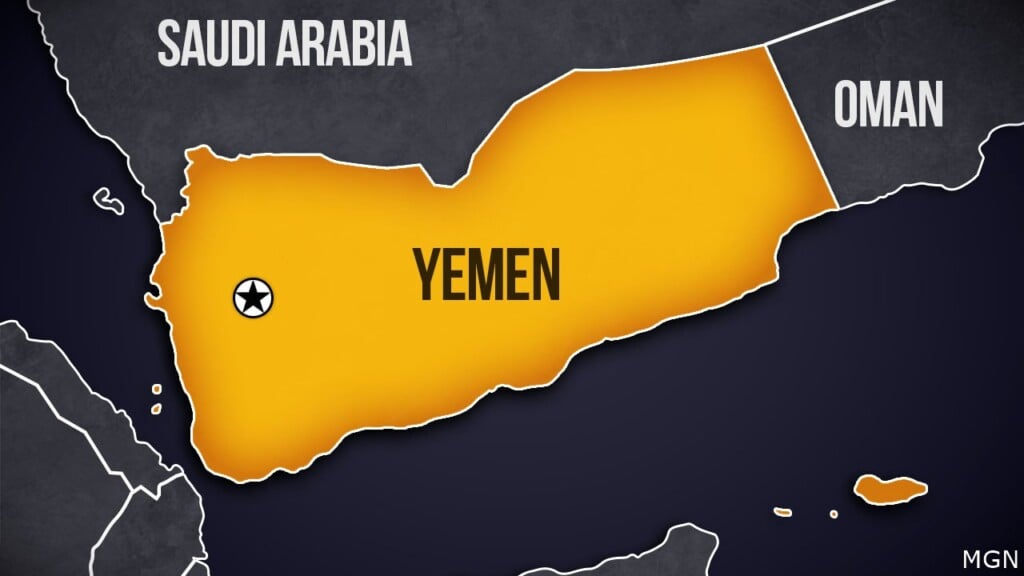
The rebels’ advance inside Yemen seized the crucial port city of Mokha and key Red Sea islands that allow them to better monitor shipping traffic through the Bab el-Mandeb, through which some 12% of world trade normally passes.
The Saudi-backed Yemeni government forces, long divided into factions, withdrew but have vowed to regroup.
The escalation ended a 2022 ceasefire that largely ended fighting in Yemen’s civil war, which started when the Houthis swept in from their mountainous heartland and seized much of northern and central Yemen, including Sanaa, 12 years ago.
The Saudi-led coalition entered the war the following year on behalf of the internationally recognized government. The civil war killed at least 150,000 people, according to U.N. estimates, and pushed the country to the brink of famine.
Now, with Houthis in control of Yemen’s western coast overlooking the Red Sea shipping corridor, “the balance of power has shifted in favor of the Sanaa government,” al-Bukhaiti said, referring to the rebels’ de facto authorities there.
“Ultimately, (Saudi Arabia) lost its most critical card: the west coast,” he said.