NC Wildlife offers warning of increased bear activity as bears appetite grows
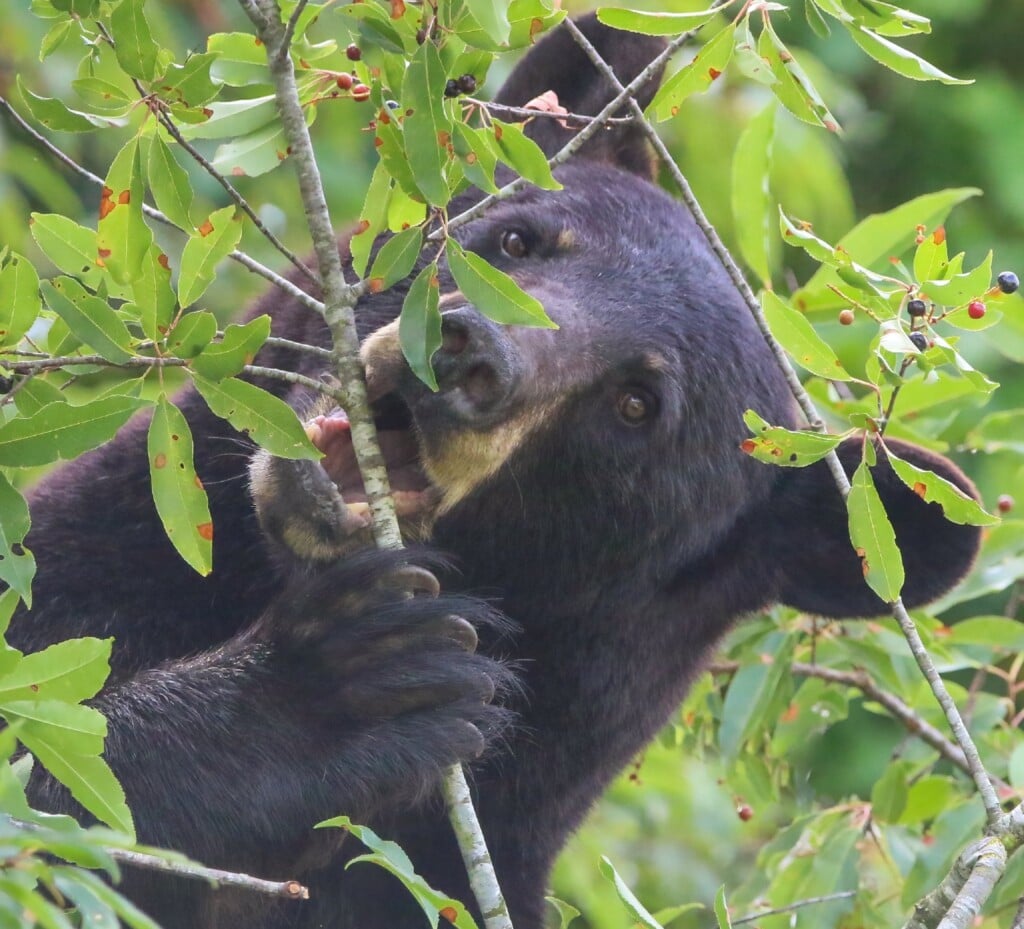
NORTH CAROLINA (WWAY) — The N.C. Wildlife Resources Commission is warning residents to take precautions as black bears enter a period of increased feeding activity ahead of winter.
The agency said bears experience hyperphagia during late summer and fall, a biological phase when they significantly increase their food intake to build up fat reserves for the colder months.
During hyperphagia, black bears can consume approximately 15,000 to 20,000 calories per day, compared with about 2,000 to 3,500 calories during the spring and summer, according to NCWRC Black Bear Biologist Jenna Malzahn.
Bears feed on natural food sources including acorns, hickory nuts, cherries, grapes and other berries. They can also be attracted to human-provided food sources such as bird feeders, outdoor pet food, unsecured garbage and compost.
The agency said bears can gain up to three pounds per day during this period and may increase their summer weight by 20% to 100%.
Bears can travel for as many as 20 hours a day while searching for food during hyperphagia. NCWRC said the increased activity can lead to more reports of bears in residential areas, public places, wooded areas and roadways.
The agency recommends residents take steps to reduce the chances of encounters, including:
- Keep anything that could attract a bear out of sight, smell and reach.
- Secure garbage, compost, pet food and birdseed.
- Be especially alert when driving or walking at night.
- Check yards before allowing pets outside.
- Know what to do if you encounter a bear.
- Talk with neighbors about bear safety.
NCWRC also recommends residents check potential den sites around their homes, including crawlspaces and areas beneath porches and decks.
Statewide BearWise Coordinator Ashley Hobbs said most bears in North Carolina will find a den by mid-December. However, bears with consistent access to human-provided food may continue searching for food throughout the winter.
Bears may also den under porches, decks, bushes, brush piles, building materials and inside spaces beneath buildings, garages, storage sheds and vacant homes, according to the agency.
Residents with questions about bears or wildlife incidents can contact the N.C. Wildlife Helpline at 866-318-2401 Monday through Friday from 8 a.m. to 5 p.m. They can also contact their local district wildlife biologist.