Brunswick County candidates discuss impact fees as rapid growth remains top concern
LELAND, NC (WWAY) — With Election Day less than a week away, Brunswick County voters remain concerned about rapid growth and development, and candidates are discussing potential solutions to manage the county’s expanding population and infrastructure needs.
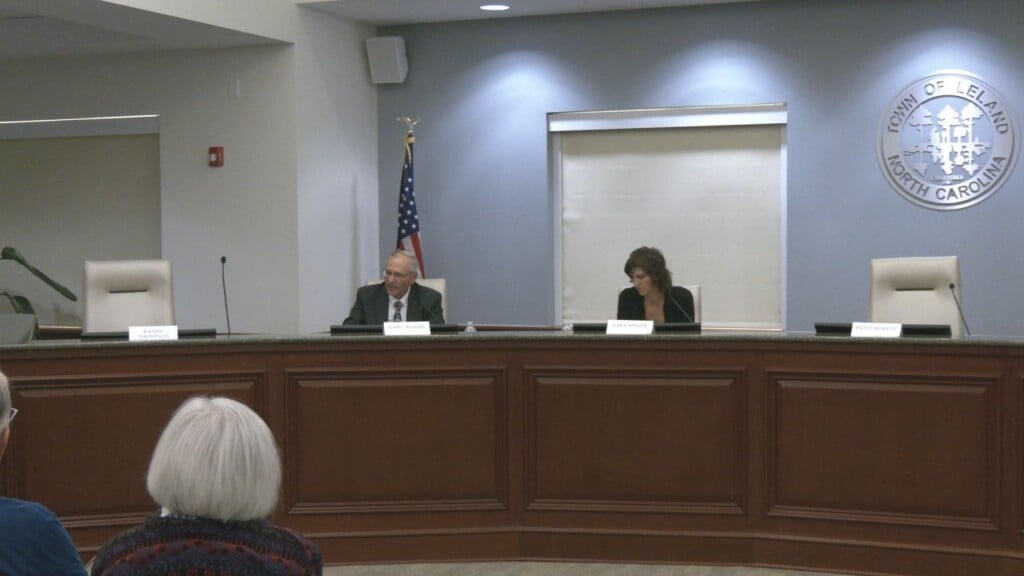
During a candidates’ forum in mid-October, candidates raised the idea of imposing impact fees on developers several times as a possible way to address the challenges of continued growth.
According to the National Association of Home Builders, impact fees are upfront charges imposed by local governments on new or proposed developments to help cover the costs of public services needed to support those developments.
Those services can include roads, water and sewer systems, public schools and emergency services, along with improvements to existing infrastructure.
Democratic candidates Gary Woods and Sara Singer both expressed interest in exploring ways developers could help cover the costs associated with growth.
Woods said he supports impact fees but also advocated for development proffers, which involve negotiating contributions from developers to help meet community needs.
“That’s a negotiated settlement with these contractors. We need land, we need a new school, we need a new fire house, you know,” Woods said. “If you want to put that in here, you’re going to give us this here.”
Singer suggested Brunswick County could look to other counties that have successfully implemented similar fees to determine whether those approaches could work locally.
“Other counties have successfully imposed such fees on developers and I have no problem reaching out to counties that have successfully done it, to learn their model and then see what we can apply here,” Singer said.
However, North Carolina law limits the types of fees counties can impose on developers.
While broader development impact fees generally require authorization from the North Carolina General Assembly, state law allows counties to charge water and sewer system development fees to help cover the costs of expanding infrastructure to accommodate new growth.
That distinction could limit Brunswick County’s ability to require developers to contribute directly toward other infrastructure needs, such as new schools, roads and emergency services facilities.
As Brunswick County continues to grow, the question of who should pay for the infrastructure needed to support new development remains a key issue heading into the Nov. 3 election.