AI-generated political ads raise concerns in North Carolina
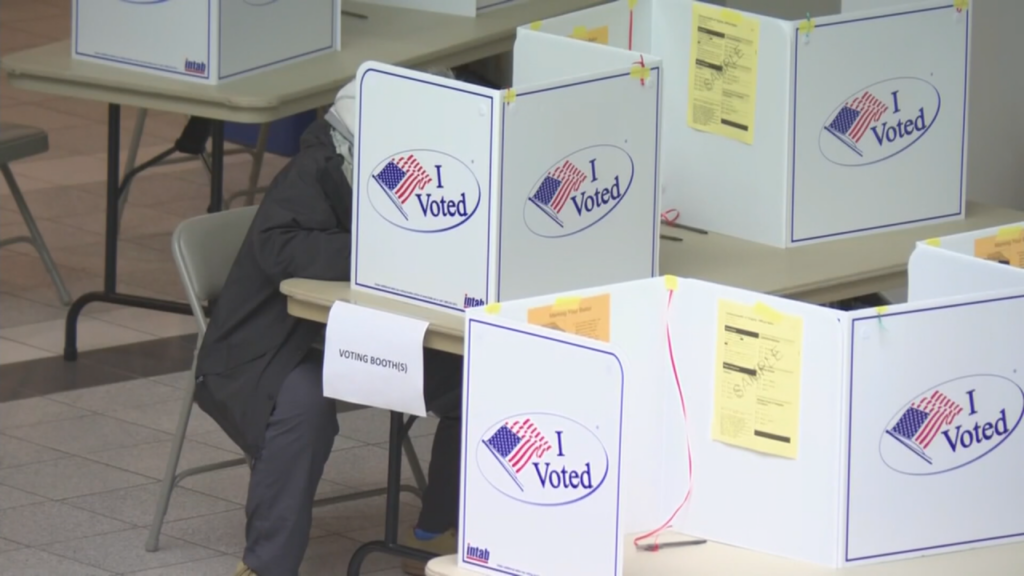
LELAND, NC (WWAY) — With polls set to open across North Carolina for Election Day, artificial intelligence has emerged as a new tool in political campaigns, raising questions about how technology is changing campaign attacks and making it harder for voters to distinguish fact from fiction.
From AI-generated websites to campaign advertisements, the technology is increasingly shaping the political messages voters encounter online.
In New Hanover County, the debate has become personal.
Board of Education member and candidate Pat Bradford recently criticized fellow board member David Perry after he released an AI-generated image and accompanying website depicting Bradford and fellow board member Josie Barnhart as witches brewing a potion labeled “NHCS Poison Potion.”
Bradford, who has been outspoken about the use of artificial intelligence, called Perry’s actions hypocritical. She pointed to his vote against a $2 million AI grant for the school district from the North Carolina General Assembly.
“So I find that irony quite funny, actually,” said Bradford.
The controversy also came before the school board during its Oct. 29 meeting, when members moved to discuss Perry’s behavior. Before the board could vote, Perry said he had to leave for business in Concord.
“I’m not leaving in disgust; I just don’t feel a need to be here, bye,” said Perry at the Oct. 29 board meeting.
What began as a dispute among members of the New Hanover County Board of Education raises a broader question about the role of artificial intelligence in politics: Where should the line be drawn between political messaging and potentially misleading content?
Pate McMichael, director of the North Carolina Open Government Coalition, said AI-generated content can mislead voters.
“People can be deceived; the whole point of these ads is to supposedly educate us. They’re not doing that. They’re dividing us,” said McMichael.
The issue extends beyond local school board politics. Images generated with artificial intelligence have also appeared in campaign advertising in the race between state Sen. Michael Lee and his opponent, Jessica Bichler.
In an advertisement produced by Lee’s campaign, AI-generated images depict Bichler. During the Greater Wilmington Business Journal’s Power Breakfast, Bichler challenged the advertisement and raised concerns about how viewers might interpret the images.
“There are people in our community who don’t understand that the images that he generated are AI-generated and are confused about what they’re actually seeing on the screen,” said Bichler at the Greater Wilmington Business Journal’s Power Breakfast on Sept. 3.
Lee’s advertisement includes a disclaimer stating that the images were generated using artificial intelligence. However, McMichael said North Carolina law does not require political campaigns to disclose their use of the technology.
“What makes North Carolina unique is our legislature has not passed any transparency requirements around the use of it, whereas other states force a disclosure,” said McMichael.
McMichael said voters need accurate information to make informed decisions, warning that AI-generated political content can distract from the issues that matter to voters.
“Sloppaganda from AI is not going to do a whole lot to resolve those big issues or give voters the kind of information that they’re seeking.”
Bichler also sent a cease-and-desist letter challenging the content of Lee’s advertisement, rather than the use of artificial intelligence itself. She disputed the ad’s characterization of her political positions and its claims about alleged ties to groups she said do not support her.
As North Carolina voters head to the polls, the growing use of artificial intelligence in political campaigns adds another layer to the challenge of evaluating the messages candidates put before the public.