Doctors encourage type 1 diabetes screening for families with history of disease
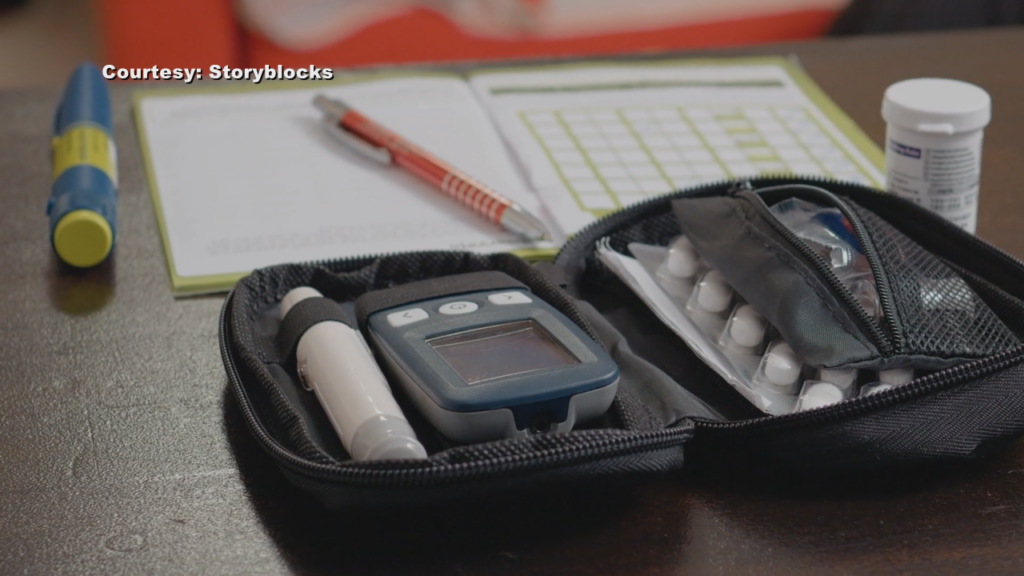
LELAND, N.C. (WWAY) — As students return to the classroom, doctors are encouraging some families to consider adding type 1 diabetes screening to their back-to-school health checklist.
Type 1 diabetes can affect daily routines, from monitoring blood sugar to managing meals, medication and activity. Doctors say early detection can give families more time to prepare before the disease leads to a medical emergency.
Greg Stanoch was diagnosed with type 1 diabetes when he was in first grade.
“It was a lot of anxiety, a lot a stress,” Stanoch said. “It’s really hard for me to say this, but I couldn’t really be a kid,” said Stanoch.
Fifteen years later, Stanoch manages his blood sugar and takes insulin while continuing to do the things he enjoys, including playing sports and tossing a Frisbee with his father.
“As a parent, it’s It just breaks your heart when every time your little child wants to eat a potato chip, you have to watch him jab himself,” his father said.
Dr. Shara Bialo, a pediatric endocrinologist who also lives with type 1 diabetes, said family history can significantly increase a person’s risk of developing the disease.
“A family history of type 1 confers upwards of a 15 times increased risk to the unaffected family members,” Bialo said.
Type 1 diabetes is an autoimmune disease that develops when the body’s immune system mistakenly attacks cells in the pancreas that produce insulin.
Insulin helps move sugar from the blood into the body’s cells for energy. Without enough insulin, blood sugar can rise to dangerous levels.
Bialo said common warning signs include increased thirst and urination, fatigue and weight loss.
“So the most common symptoms are excessive drinking, excessive urination, fatigue and weight loss,” Bialo said.
However, doctors may be able to identify type 1 diabetes before those symptoms begin through autoantibody screening.
Screening typically begins with a blood test, which can involve either a traditional blood draw or, in some cases, a finger prick.
If autoantibodies associated with type 1 diabetes are detected, doctors may recommend additional testing and follow-up.
Bialo said identifying the disease early can help families prepare and potentially avoid discovering it during a medical crisis.
“It’s a much better situation to be in where you’re proactive and you’re giving yourself the gift of time should you uncover an early T1D diagnosis rather than being caught in a crisis,” Bialo said.
Families with questions about type 1 diabetes risk or screening are encouraged to speak with their child’s pediatrician or health care provider.