One Wilmington woman leads protest at Chemours
A Wilmington woman decided to take the GenX fight into her own hands today by organizing a protest at the Chemours plant near Fayetteville.
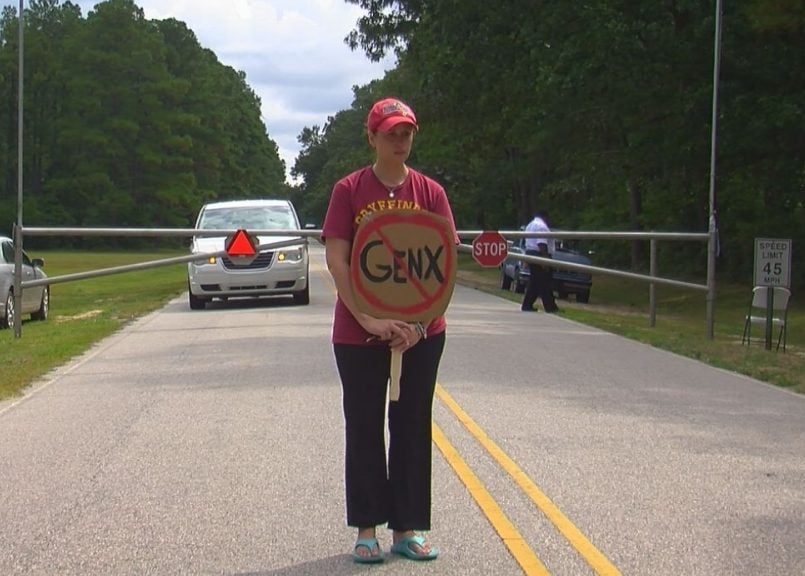
A Wilmington woman decided to take the GenX fight into her own hands today by organizing a protest at the Chemours plant near Fayetteville.
Chemours, a global chemistry company, announced financial results for the second quarter of 2017.

Federal investigators have subpoenaed the NC Department of Environmental Quality as part of a grand jury looking into the Chemours Company and GenX it has released into the Cape Fear River from the chemical maker's facility near Fayetteville.
This afternoon, CFPUA's environmental counsel notified Chemours, DuPont and the State that CFPUA intends to file a lawsuit against Chemours and DuPont in federal court to enforce the requirements of the Clean Water Act and Resource Conservation and Recovery Act.
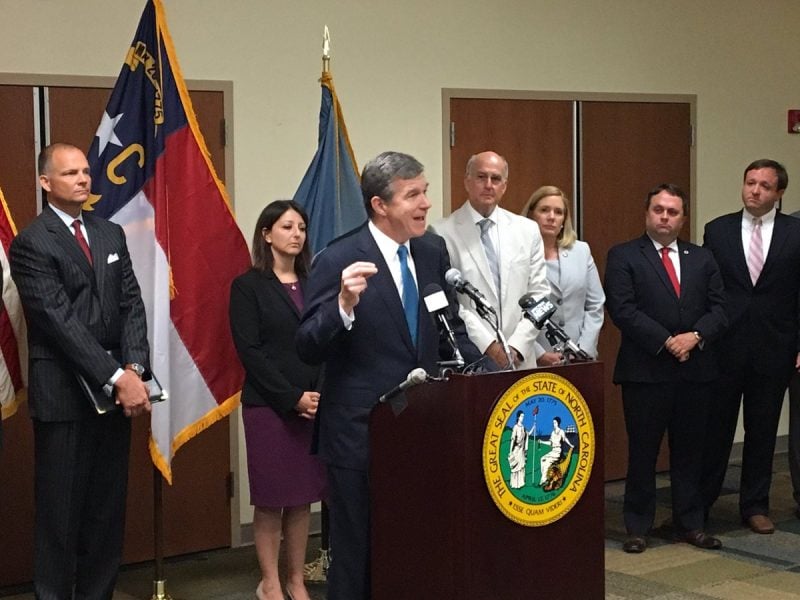
Gov. Roy Cooper is calling for criminal investigations and denying permit requests to Chemours as the search for answers about GenX continues.
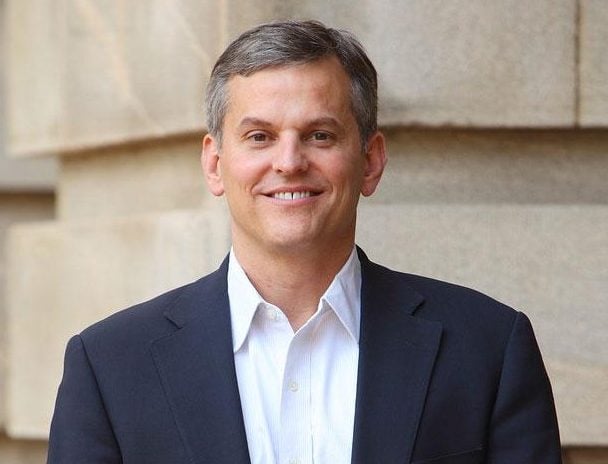
North Carolina Attorney General Josh Stein has opened an investigation into Chemours.
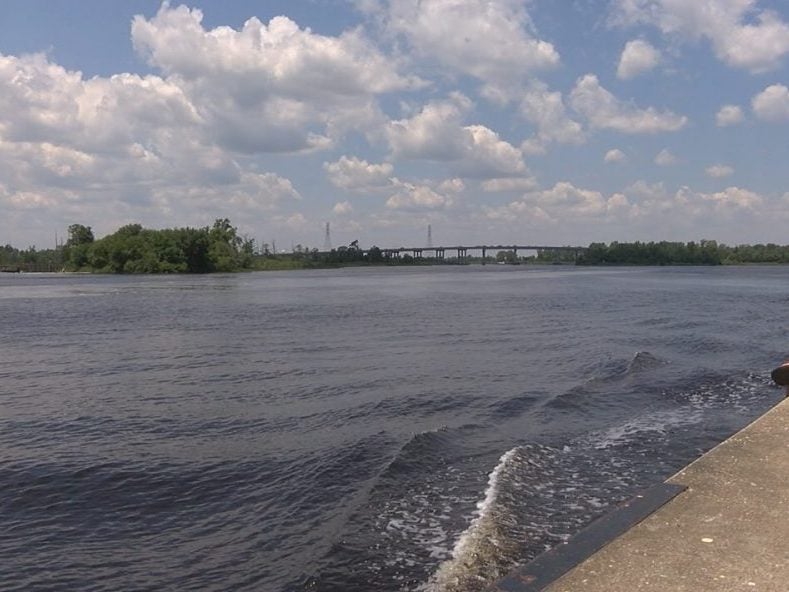
Officials with the N.C. Department of Environmental Quality on Wednesday said additional sources of the chemical GenX at the Chemours industrial complex have been stopped to prevent the unregulated compound from discharging to the Cape Fear River.
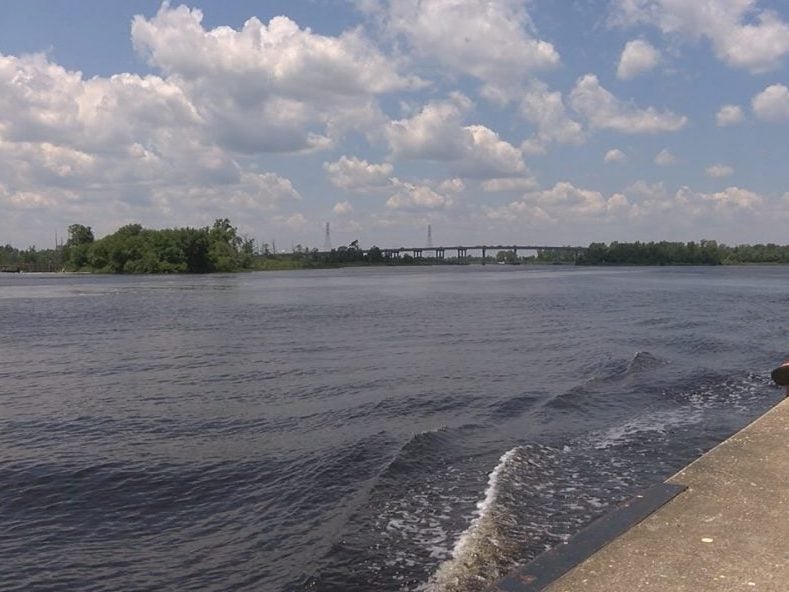
Staff with the N.C. Department of Environmental Quality Tuesday inspected Chemours’ Fayetteville facility and verified that the company is containing wastewater from the byproduct GenX.
Chemours says it will take additional steps to keep GenX out of the Cape Fear River as federal regulators say they are investigating the company.

In 2012, Chemours failed a toxicity test on its discharge.
As state regulators continue to investigate Chemours, they are also investigating another company that discharges into the Cape Fear River.
Chemours -- coming off three strong quarters, a nearly $100 million profit increase and cracking the Fortune 500 -- has had a tumultuous week since reports surfaced linking the company to a toxic chemical found in the Cape Fear River.
There's been a lot of information to digest since yesterday's big meeting in Wilmington about GenX.
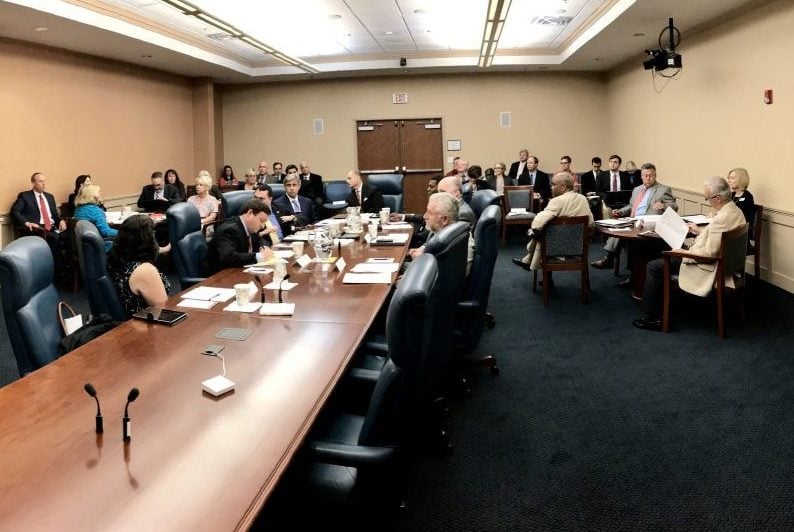
A meeting is underway between local leaders and the maker of the chemical compound that has many in southeastern North Carolina worried about the safety of our drinking water.
Six employees from Chemours, including a Toxicology leader and Environmental Manager are attending the meeting on Thursday with local leaders.
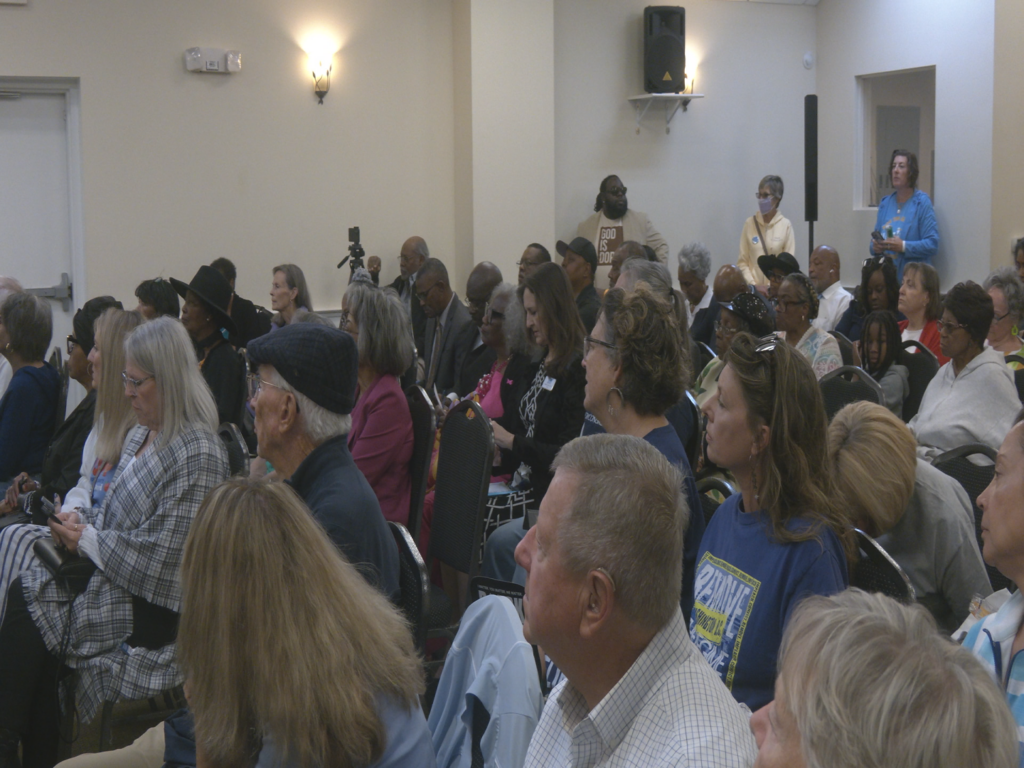
Brunswick County residents gathered Sunday afternoon at the Cedar Grove Community Building to hear from candidates seeking federal, state and local offices ahead of the election.
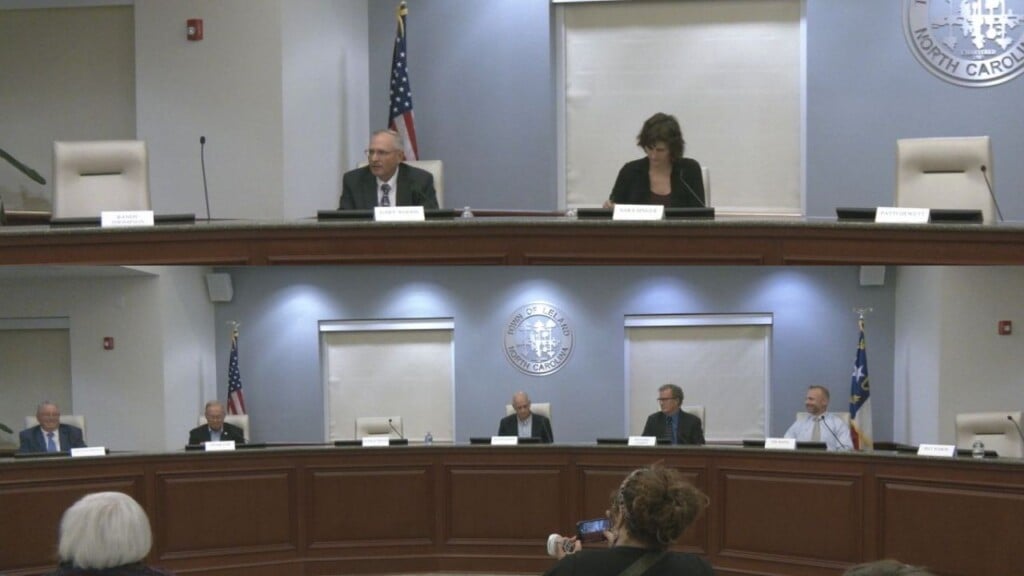
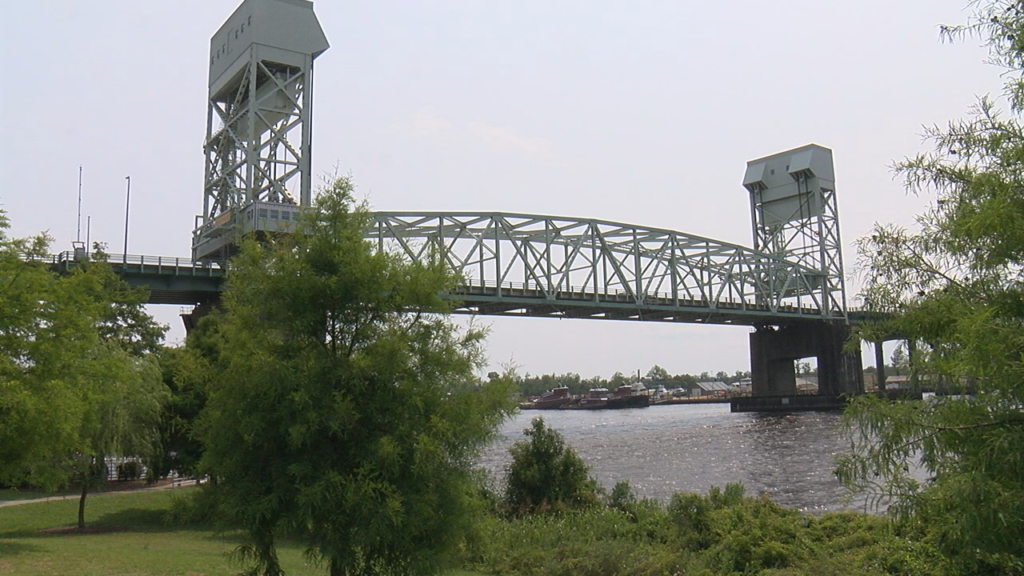
The forums covered two Brunswick County Board of Commissioners races and several state legislative contests, with discussions focusing on tolls, the Cape Fear Memorial Bridge replacement, PFAS contamination, public safety and development.
Cape Fear Public Utility Authority says its lawsuit against Chemours and DuPont over PFAS contamination will continue despite a settlement announced Thursday between the companies, the state and several local governments.
The Cape Fear Public Utility Authority (CFPUA) is urging the U.S. Environmental Protection Agency (EPA) to maintain proposed federal drinking water regulations for several PFAS compounds, arguing that rescinding the standards would weaken public health protections and create uncertainty for utilities nationwide.
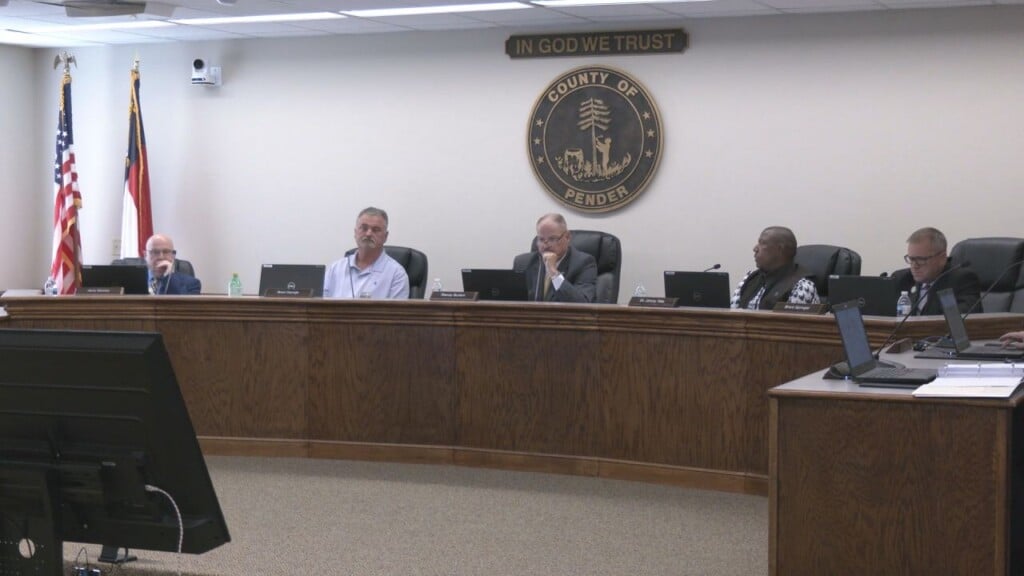
Last year, the commissioners voted to move advertising from the Pender Topsail Post and Voice newspaper to the Wilmington Star News.
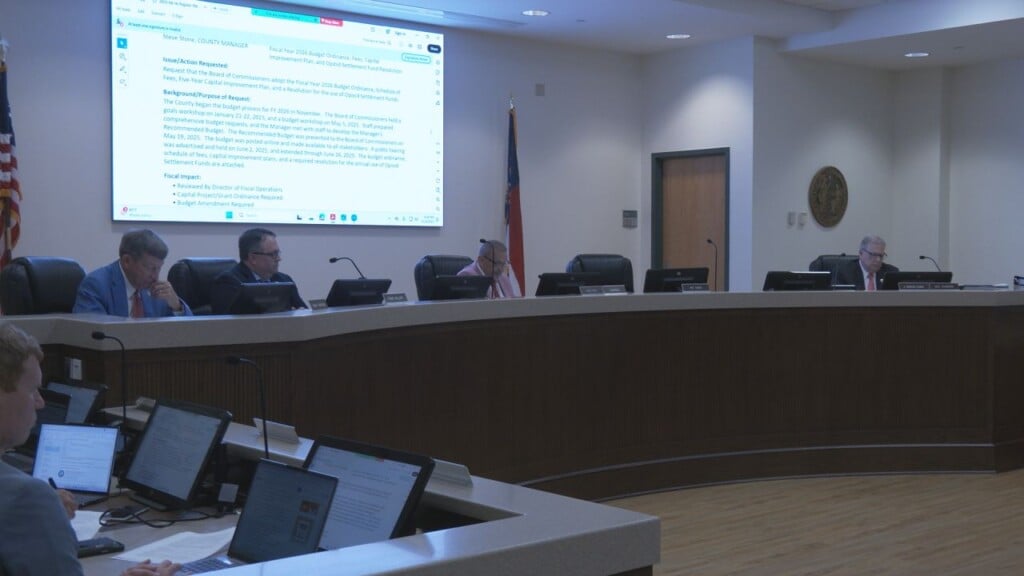
Commissioners also heard information about fire services in the county, with a new contract between the county and fire departments expected to be presented by county staff at the January 20th meeting.
Wilmington City Council unanimously passed a resolution during its meeting Wednesday night opposing the expansion of Chemours' Fayetteville Works facility in Bladen County.
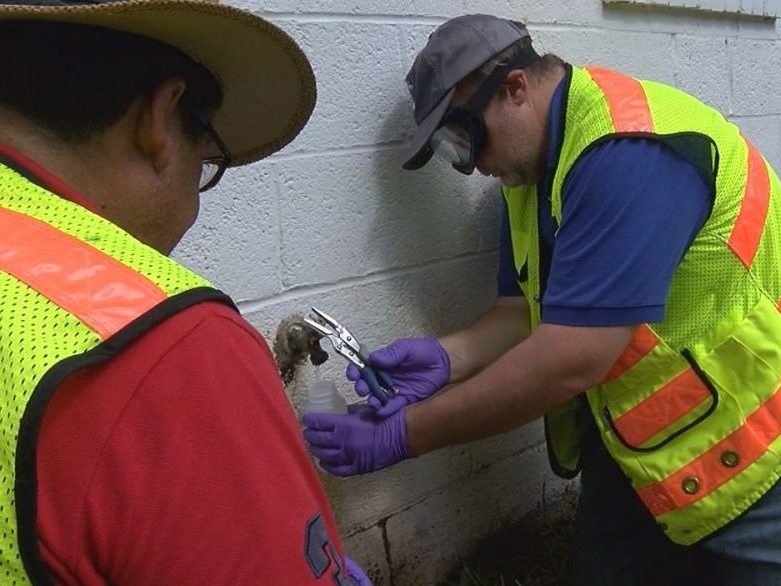
The North Carolina Department of Environmental Quality is requiring Chemours to expand eligibility for private well testing tied to PFAS contamination, now covering additional portions of New Hanover, Brunswick, Columbus and Pender counties.
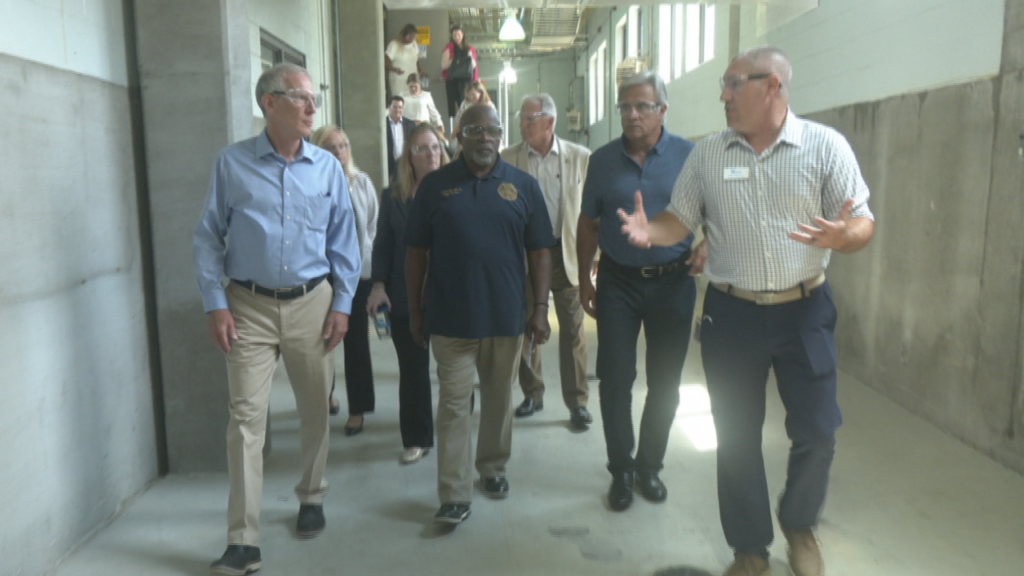
NCDEQ Secretary Reid Wilson toured the Sweeny Water Treatment Plant Friday as PFAS polluters continue to dump into waterways with no limits.