State auditor questions $121K spent on Cary video production during Wilmington retreat
WILMINGTON, NC (WWAY) — The North Carolina Office of the State Auditor has released an investigative report detailing what it describes as questionable spending practices, weak financial oversight and policy violations involving the Town of Cary’s use of taxpayer dollars.
According to the report, investigators found town officials violated spending procedures and identified tens of thousands of dollars in purchases that either lacked a clear government business purpose or appeared excessive. Those expenses included high-cost meals, alcohol purchases, hotel cancellation and no-show charges, travel expenses, council-related purchases and spending tied to retreats and promotional activities.
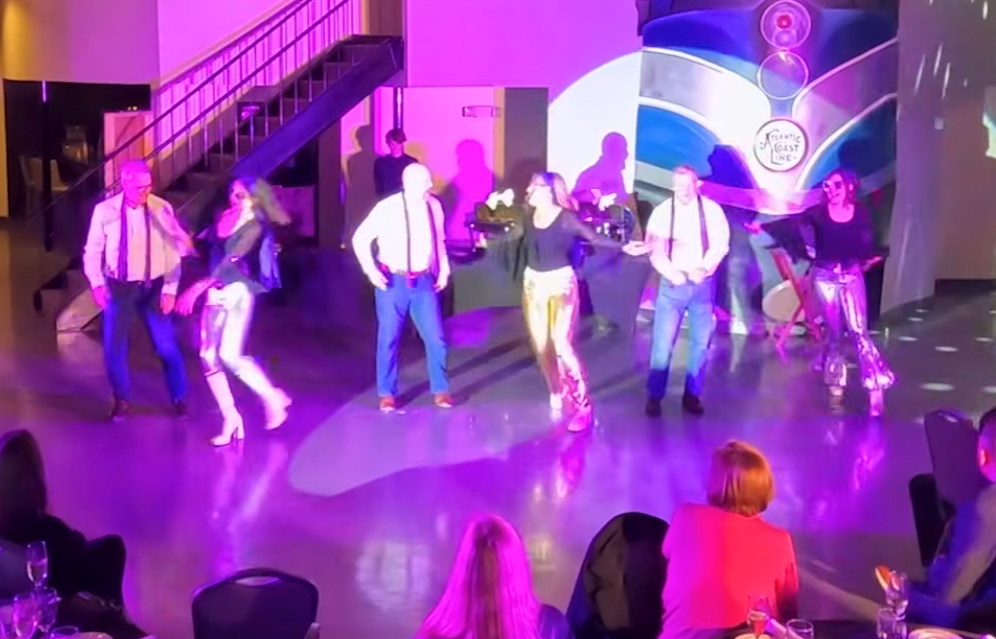
Among the largest expenses highlighted was the $121,314 spent on video production for the Town of Cary’s 2024 retreat in Wilmington. Investigators say the money covered filming a performance at the retreat, where council members performed ABBA’s 1976 disco-pop hit “Dancing Queen” as well as producing a documentary chronicling how the performance came together. (Click to see video.)
The retreat took place under Cary’s former Town Manager, Sean Stegall, who resigned in December of last year. During an emergency meeting Thursday night, Cary councilmembers claimed they did not know the cost of the trip nor the video production and cited how successful the town had been the previous six years with Stegall at the helm. (Click to see Cary Town Council Emergency Meeting.)
“We thought staff on their own time created this dance for our entertainment and to open up our quarterly meeting to set the tone,” said Cary Mayor Harold Weinbrecht. “I had no idea we were spending thousands of dollars videotaping that and why would we do that?”
In a statement published on the Town of Cary’s website Thursday night, Weinbrecht said, “When Town staff brought concerns to the Council last fall, we did not look away. Those concerns led to the former town manager’s departure, and they were serious enough that we welcomed the State Auditor’s involvement when his office contacted us in November.”
The report also questioned $65,653 spent on a ghostwriter to write a book about Stegall, $37,301 in graduate school tuition paid for a councilmember before it was later reimbursed, and more than $1 million in property purchases made by Stegall without full Town Council review.
Other purchases cited in the report include:
- A dinner for two in Atlanta that featured two $120 ribeye steaks and a $48 glass of wine.
- $4,164 for a Town Council and staff dinner at Rey’s Restaurant in Raleigh.
- A $3,419 penthouse hotel stay for former Town Manager Sean Stegall.
- $733 for an executive van to transport town employees 12 miles to a Wake County Mayor’s Association holiday dinner.
- $1,600 for 10 pairs of Ray-Ban sunglasses for councilmembers.
- Annual car allowances of $9,626 for each councilmember.
Investigators also found Cary had 828 Town VISA cards, with more than 62% of town employees issued a purchasing card. The State Auditor noted that rate is far above the average of 16% among North Carolina’s nine other largest municipalities.
Between January 2024 and December 2025, town employees made more than 60,000 purchasing card transactions totaling $24.2 million.
The report also found that more than $100,000 in purchases were missing receipts or lacked itemized documentation, making it difficult to determine whether public funds were spent appropriately.
In addition, investigators said the town’s fund balance fell below its minimum policy threshold in recent fiscal years while spending outpaced revenue and property taxes increased.
State Auditor Dave Boliek said the findings show the need for stronger oversight and accountability.
“The spending exposed in the Town of Cary must be addressed with greater oversight and accountability,” Boliek said in a statement. “Public dollars being thrown around carelessly while taxes are being raised only creates distrust in government.”
The report recommends tighter controls over Town VISA cards, improved financial reporting, clearer reimbursement policies, stronger approval requirements for major purchases and greater transparency over taxpayer spending.
The State Auditor’s Office said some purchases have been referred to the Wake County District Attorney and the State Bureau of Investigation. Investigators declined to release additional details to protect the integrity of any potential criminal investigation.
The Town of Cary’s response to the findings is included in the report, along with an appendix detailing all Town staff purchasing card transactions reviewed during the investigation.
“We take this report seriously, and our focus remains on strengthening the policies and practices that guide our work,” Weinbrecht said.
The Town of Cary has launched a Moving Forward Dashboard, which lists recommendations from the State Auditor and other independent reviews, the status of each, and supporting information.