Warming temperatures could help invasive species spread in North Carolina
WILMINGTON, N.C. (WWAY) — As North Carolina gets warmer, experts say changing conditions could create more opportunities for invasive species to survive, reproduce and spread into new areas.
Kelly Oten, an assistant professor and extension specialist in forest health at North Carolina State University, said warmer temperatures can affect how quickly insects develop.
“Insects in general they are cold blooded, so their development is completely dependent on the temperature around them. So, what that means is when it’s warmer outside, your insect will likely develop at a faster rate,” said Oten.
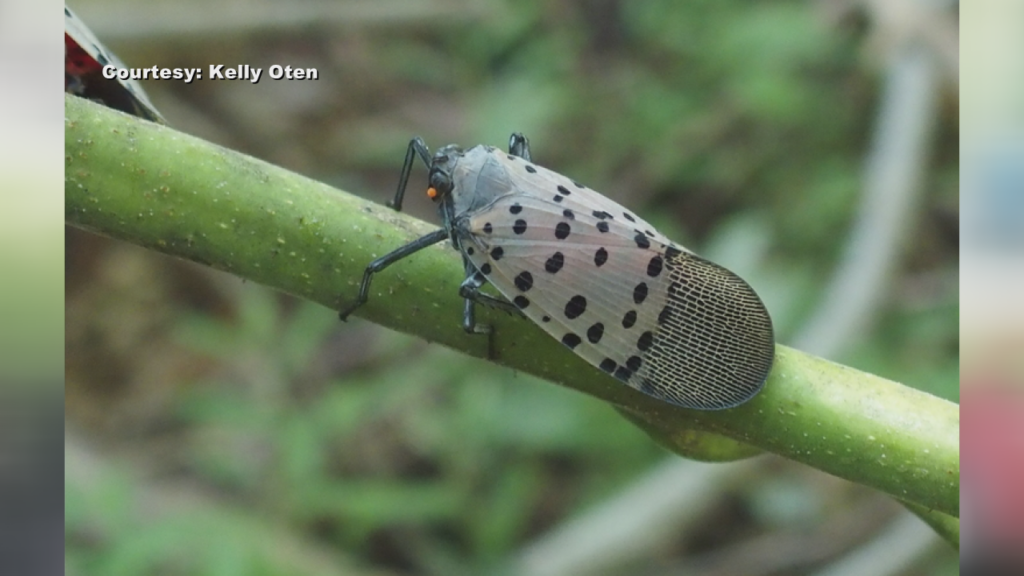
One invasive insect already found in North Carolina is the spotted lanternfly, which was first detected in the state in 2022.
The insect is about an inch long, with grayish-tan wings covered in black spots. When its wings open, bright red, black and white markings become visible.
Spotted lanternflies feed on more than 100 types of plants, including grapevines and common landscaping plants.
“It, you know, gets everywhere, makes huge messes. It will mass attack trees but will also congregate on businesses, outside businesses, like any of your homes.”
Another invasive insect causing concern is the Emerald Ash Borer.
The beetle’s larvae tunnel beneath the bark of ash trees, disrupting the movement of water and nutrients. More than 150 million ash trees have been killed across North America.
“If we don’t figure out how to stop them, then we are talking about major changes in our forest ecosystems.”
Oten said climate-related stress can also make trees more vulnerable to invasive pests.
Drought, extreme heat, storms and flooding can all put additional stress on trees, weakening their natural defenses.
“If there’s stress, then one, they’re giving off attractive signals to pests, so they are going to be more attracted. Insects really want to attack trees that are weaker naturally, and they are unable to defend themselves as well.”
Experts say residents can help slow the spread by watching for invasive species and reporting possible sightings.
“Highly recommend reporting that to the North Carolina Department of Agriculture. Take a picture, and also after you take the picture, stomp on them so they don’t get away and lay eggs and continue to spread.”
More information on reporting invasive species is available through the North Carolina Department of Agriculture and Consumer Services.