Wilmington ordinance change could pave way for goat-scaping program
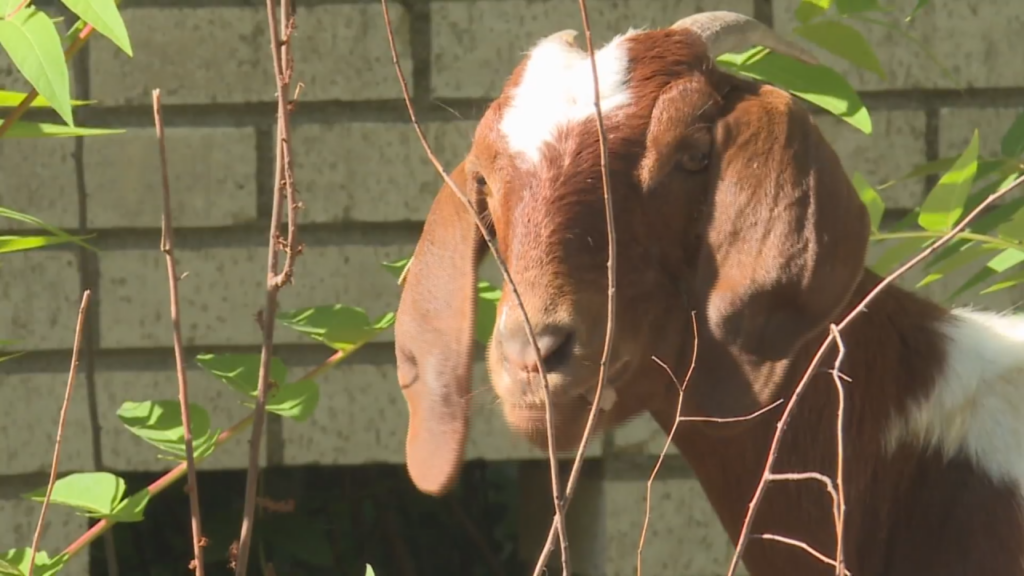
WILMINGTON, NC (WWAY) — The City of Wilmington could soon turn to an unconventional landscaping crew to help maintain public green spaces.
At its June 16 meeting, Wilmington City Council voted 6-1 to amend the city’s domestic animal waste ordinance in preparation for a potential goat-scaping program. The change would allow government entities to use animals for official projects without being subject to the city’s animal waste requirements.
City leaders say goats could help clear overgrown vegetation in areas that are difficult to reach with traditional equipment, including parks, steep slopes, and rights-of-way.
The ordinance change, however, prompted questions from some council members about how the animals’ waste would be handled.
Councilwoman Salette Andrews cast the lone vote against the measure, saying she wanted to ensure there would be a cleanup plan.
“So we’re amending the animal waste provisions here so that these animals that the city’s using don’t need to be picked up after. I’m just, ever? I mean, do we not go through after a project’s done, maybe, and clean up the area?” said Andrews during the meeting.
Deputy City Manager Thom Moton said city staff could clean up an area after a project is completed, but the ordinance change was necessary so the city would not violate its own rules by failing to remove each individual dropping while the goats are actively working.
Goat-scaping has already been implemented in other parts of North Carolina, including the Raleigh area.
The city of Raleigh partnered with Goats On The Go Raleigh-Durham, a company that uses goats to manage vegetation.
Director Stephen Paul said leaving the droppings behind can actually provide environmental benefits.
“So, the City of Raleigh, for example, they have no intention of doing any cleanup; they know that this actually feeds the soil and can potentially help in changing the pH,” said Paul.
The city is considering a herd of six to eight goats for the program.
During the council discussion, members also raised questions about whether baby goats could be part of the herd. Moton said the animals would be working goats and would not procreate.
Paul said Wilmington would likely benefit from what he calls an “A-Team” herd.
“Our ‘A-Team’ herd, which is currently at the Tiger Rescue and has done work at the Dix Park, they are actually almost all of them are weathered goats, which means the goats have been castrated. So, they can’t reproduce, and they don’t have the typical stinky smell that a buck has,” Paul said.
According to Paul, the goat-scaping program has received positive responses from the Raleigh community. In addition to helping control invasive and overgrown vegetation, the goats often attract visitors interested in watching the animals at work.
City officials have said several permitting and animal identification requirements must be completed before a goat-scaping program could begin. The city’s goal is to have goats working on projects by the end of the summer.