NC Wildlife Resources Commission seeks comment on migratory game bird hunting seasons
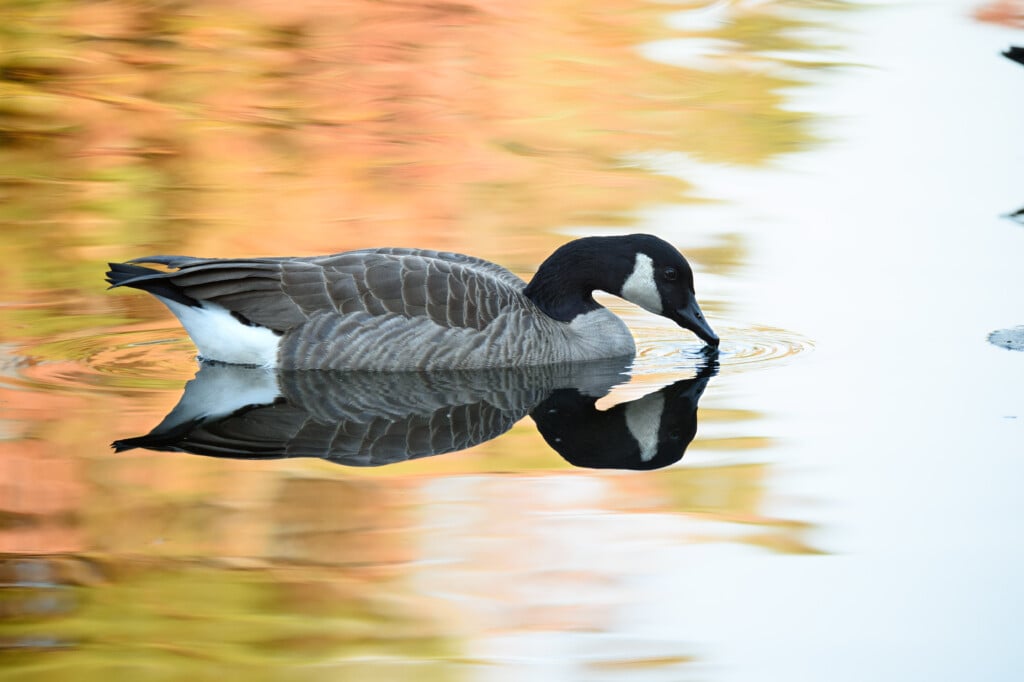
RALEIGH, NC (WWAY) — The North Carolina Wildlife Resources Commission is asking for public input on proposed hunting seasons for migratory game birds for 2026-27.
According to the commission, comments are being accepted through its online comment portal until 5 p.m. Wednesday, March 4. The agency said commissioners will review public feedback along with staff-recommended season dates and bag limits before approving final regulations at the commission’s business meeting on April 16.
The proposed frameworks cover waterfowl, webless migratory species and extended falconry guidelines. The commission said the portal also includes information on Canada goose and duck hunting zones.
Each year, the U.S. Fish and Wildlife Service provides hunting season date frameworks that states must follow when setting their own migratory bird seasons. The commission noted that compensatory hunting days are allowed for states that do not permit migratory bird hunting on Sundays, and the dates under consideration include those additional days for both waterfowl and webless species.
The commission also provided an update on highly pathogenic avian influenza, or HPAI, which continues to circulate among bird populations in North Carolina.
Officials said new cases often emerge during winter months when large numbers of migratory waterfowl gather in the state, particularly along the Outer Banks. Influenza viruses are also more likely to persist in colder conditions.
“Highly Pathogenic Avian Influenza will continue to circulate through our bird populations, however, more birds are developing antibodies against the virus which creates a ‘herd immunity’ which means we will likely see fewer impacts to bird populations from the flu,” Wildlife Health Biologist Miranda Turner said in a statement.
The commission said HPAI cases in wild birds have decreased compared to this time last year, but suspected or confirmed cases have been reported in 25 counties so far during the 2025-26 sampling season.
Waterfowl, raptors and shorebirds are most commonly affected, though cases can also occur in songbirds and wild mammals, according to the agency.
Officials said the best way to help prevent the spread of HPAI is to avoid practices that encourage birds to gather in large numbers, such as feeding ducks or leaving bird feeders out.
Residents are asked to report dead wild animals, especially five or more dead birds in one area within a week, by calling the N.C. Wildlife Helpline at 866-318-2401 Monday through Friday from 8 a.m. to 5 p.m., or by emailing HWI@ncwildlife.gov.