NC Forest Service urges caution as spring wildfire season arrives during drought
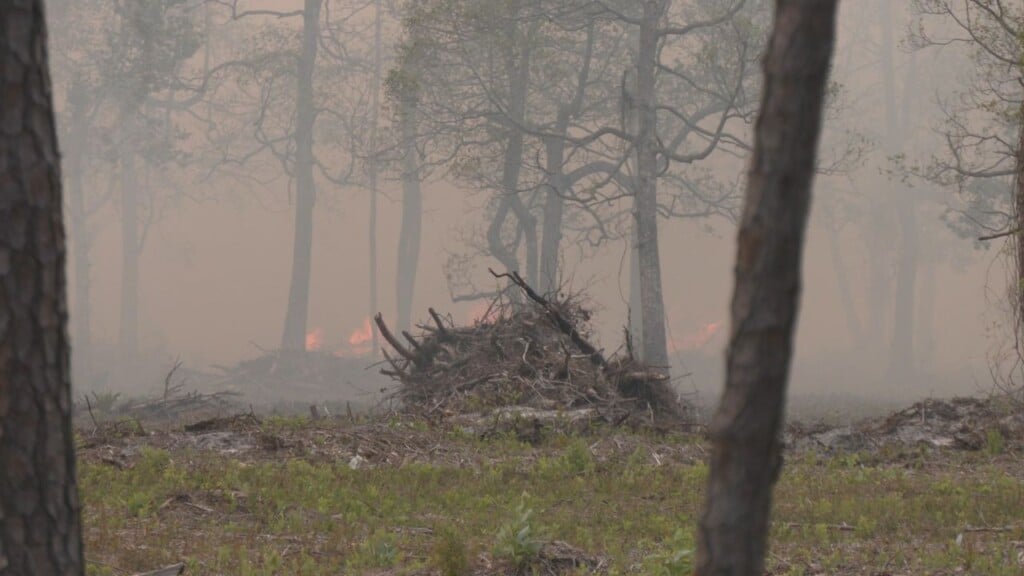
RALEIGH, NC (WWAY) — With North Carolina’s spring wildfire season getting underway while much of the state remains in moderate to severe drought, the N.C. Forest Service is urging residents to use best practices and “common sense” with any outdoor fire, especially when burning yard debris.
“With the recent rainfall combined with multiple winter storms earlier this year, some folks may not realize that most of North Carolina is still experiencing very dry conditions,” Agriculture Commissioner Steve Troxler said. He warned that prolonged dry weather can cause wildfires to ignite more easily, burn more intensely and spread faster, adding that prevention is the best defense.
The Forest Service said escaped yard debris burns, often tied to carelessness, remain the leading cause of wildfires statewide and account for nearly half of North Carolina wildfires. The agency noted that human activity is responsible for the vast majority of wildfires, and spring weather draws more people outdoors to work in yards, with some choosing to burn leaves, limbs and other debris.
“A fire can escape in a matter of seconds, especially on warm days when winds are gusty,” Troxler said, urging people to never leave a fire unattended until it is completely out and cold.
Officials said other human-caused wildfire sources include machine and vehicle use, dragging tow chains, arson and escaped campfires.
The Forest Service also said western North Carolina counties that suffered substantial forest damage during Hurricane Helene remain especially vulnerable because dead and dying timber can add to debris and fuel loads.
Before starting an outdoor fire, the Forest Service recommends contacting your local county ranger’s office and following safety guidance, including:
- Check local burning laws, as some communities restrict burning to certain hours or prohibit it.
- Make sure you have a valid burn permit, available through Forest Service offices, authorized agents, or online through the N.C. Forest Service.
- Watch the weather and avoid burning on dry, windy days.
- Use safe burning methods and keep debris in a cleared area, contained and away from overhead branches and wires.
- Have tools ready, including a hose, bucket, steel rake and shovel, and keep a phone nearby.
- Never use gasoline, diesel, kerosene or other flammable liquids to accelerate burning.
- Stay with the fire until it is completely out; if it’s too hot to touch, it’s too hot to leave.
- The Forest Service said similar steps apply to campfires and grills. Officials recommend fully dousing coals and embers with water, stirring and soaking again until cold to the touch. If water is not available, mix in enough dirt or sand to extinguish embers without simply burying a fire. They also warned never to dump hot ashes or coals into wooded areas.
The agency also reminded the public not to fly drones near wildfires, noting that drones can interfere with low-flying firefighting aircraft and pose a safety risk to pilots and ground crews.
Officials said residents in high-risk areas should also prepare for wildfire smoke, especially people who are more sensitive, including children, older adults, active individuals, and those with heart or lung conditions such as asthma.