HHS announces $144 million program to study effect of microplastics on the human body
(CBS NEWS) — The Department of Health and Human Services will is introducing a first-of-its-kind program to study microplastics and the effect they have on the human body, HHS Secretary Robert F. Kennedy Jr. announced Thursday.
Kennedy said the $144 million national program will be called STOMP, which stands for “Systemic Targeting of MicroPlastics.” The program will bring toxicologists, data scientists and other experts together to create standardized tools capable of detecting and quantifying microplastics in the human body, research the effect they have on humans, and develop targeted strategies to remove them from the body, Kennedy said.
“We are not dealing with a distant or theoretical risk. We are dealing with a measurable, growing presence inside the human body,” Kennedy said, after citing research that showed microplastics present in human organs, blood and the placenta. The program’s research will prioritize those at greatest risk, he said, including pregnant people, children and workers with high exposure rates.
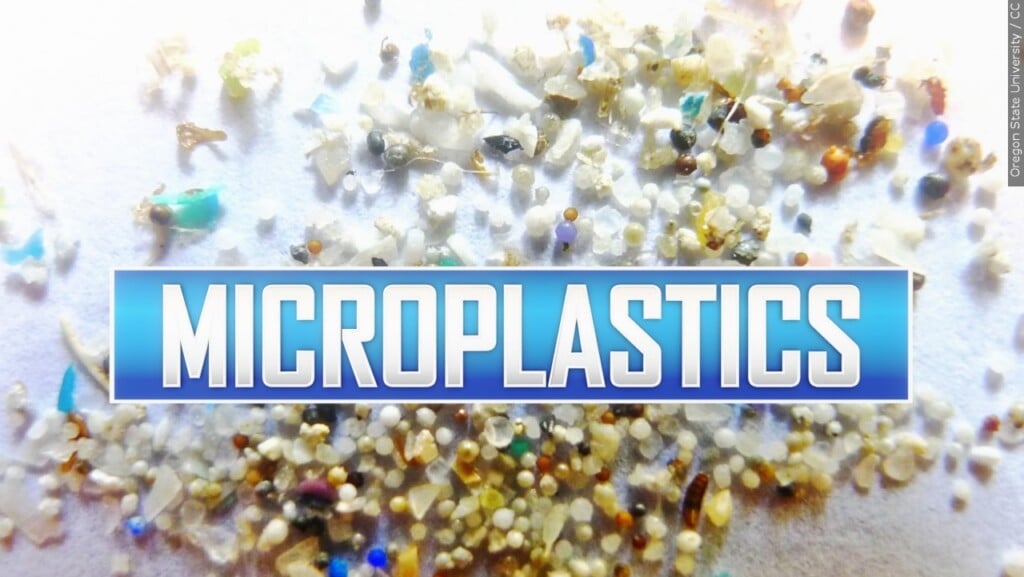
Microplastics are tiny particles from larger plastic items that have been detected in the human body and external sources. They enter the water supply through littering, storm runoff, and more. The particles, which are less than five millimeters in size, cannot be fully removed by traditional water filtration methods, according to the World Health Organization.
Environmental Protection Agency Administrator Lee Zeldin also announced that the agency has added microplastics to its contaminant candidate list for the first time, opening the door for future regulations.
The contaminant candidate list is a list of substances that are not subject to proposed or existing drinking water regulations, but are “known or anticipated to occur in public water systems,” according to the EPA’s website. Adding a substance to the list does nothing to regulate it or limit its use, but prioritizes funding, research and information collection to learn more about how these products affect drinking water.
“This is a direct response to the concern of millions of Americans who have long demanded answers about what they and their families are drinking every day,” Zeldin said.