Gov. Stein pushes more mental health resources, gun safety measures to curb NC violence
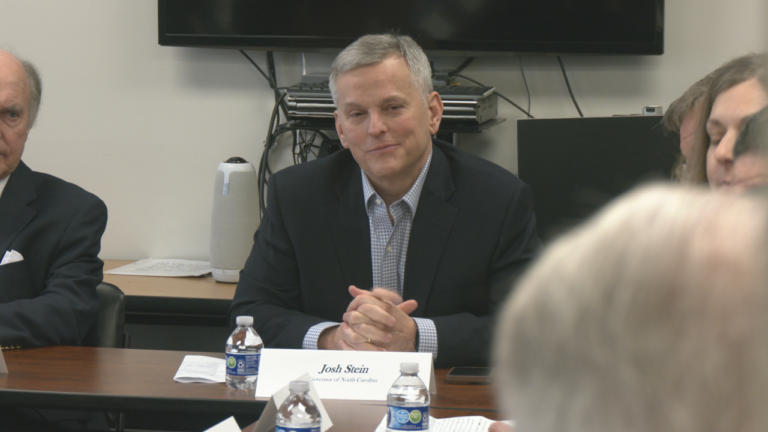
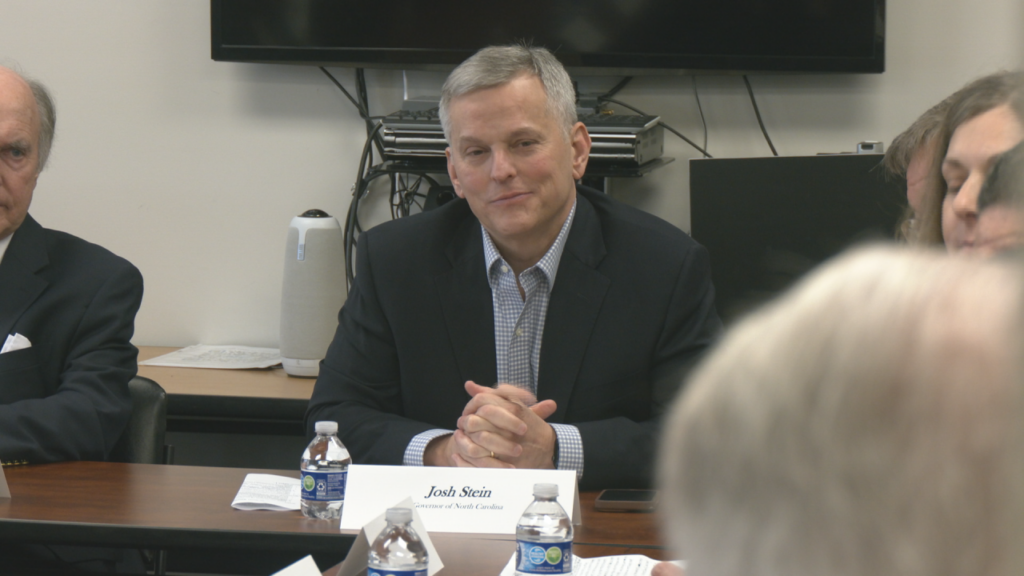
RALEIGH, NC (WTVD) — Gov. Josh Stein pushed for more behavioral health resources, expanded crisis-response teams and tougher gun safety measures Tuesday, saying North Carolina needs a broader approach to preventing violence and keeping communities safe.
Stein outlined his priorities during the North Carolina Violence Prevention Conference in Raleigh, a two-day gathering of community leaders, violence-prevention advocates, law enforcement and government officials.
The governor said expanding behavioral health services could get people experiencing mental health crises the help they need more quickly while allowing law enforcement officers to concentrate on serious crime.
“We need more behavioral health units to reduce the wait time for inpatient mental health care,” Stein said. “We need juvenile justice, residential centers, crisis units to support people with serious mental health. We need to address mental health and wellness needs impacting our first responders, as well.”
Stein highlighted Raleigh’s ACORNS program and similar crisis-response models in Charlotte and the Triad as examples of alternatives that can help respond to mental health emergencies.
He also urged lawmakers to strengthen gun safety laws, including measures designed to prevent children from gaining access to firearms inside their homes.
Stein said sustained state and local investment will be critical to reducing violence over the long term.
“We connect people with mental health and behavioral health support that they need. We break cycles of violence. We make it harder for them to hurt themselves or others, and we give people, especially young people, better options,” Stein said.
The governor said he was encouraged by the broad mix of community organizations, public officials, social workers, faith leaders and law enforcement represented at the conference.
“And what’s so exciting about it is that there are all kinds of people in that room. There are ministers, community workers, social workers, public officials from local government, state officials, and law enforcement. Because we all have a stake in keeping people safe in our communities,” Stein said.