African American Patriot soldier Zachariah Jacobs to be featured on N.C. Highway Historical Marker
WILMINGTON, N.C. (WWAY) — A free-born African American Patriot soldier soon will be recognized with a North Carolina Highway Historical Marker.
The N.C. Historical Marker Program is part of the N.C. Department of Natural and Cultural Resources.
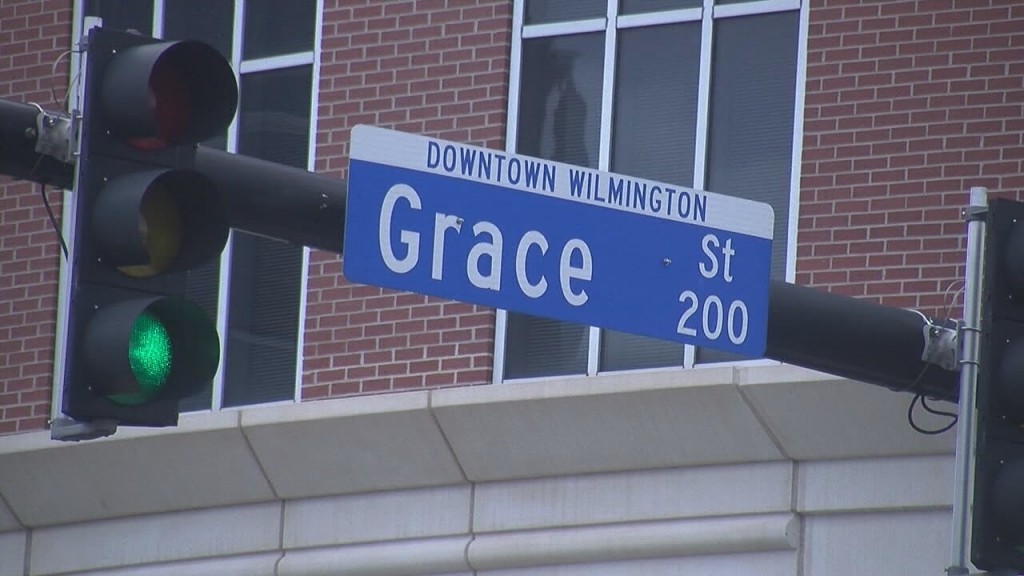
The marker commemorating the life and accomplishments of Zachariah Jacobs will be dedicated Thursday, March 26, at 10 a.m. The marker will be at 3rd St, and Grace St, in Wilmington.
Jacobs, born Oct. 4, 1753, served in multiple regiments during the Revolutionary War.
At the end of 1778, he was drafted into the Bladen County Regiment of the North Carolina Militia as a private under Col. John Alexander Lillington and Capt. Joseph Wood. His regiment marched through South Carolina into Georgia, where Jacobs participated in the Battle of Briar Creek in March 1779. The engagement ended in defeat for the American forces, and amid the confusion of retreat, Jacobs returned to his home in Brunswick County.
In early 1781, he rejoined the North Carolina Militia for a nine-month term. During this enlistment, he fought in the Battle of Guilford Court House in March 1781, one of the most significant engagements in the Southern campaign. Jacobs sustained a leg wound during the battle and spent time recovering in a hospital. On his journey home, he was captured by Loyalist soldiers and was brought to British Maj. James Henry Craig in Bladen County. Craig eventually paroled Jacobs, releasing him back to civilian life.
In October 1781, he enlisted in a North Carolina Regiment of the Continental Line for another nine-month term. By March 1782, Jacobs was serving under Maj. Michael Rudolph of Virginia in operations near Charleston, S.C. During this period, his unit captured the British galley Alligator on the Ashley River, a notable achievement in disrupting British supply lines. Jacobs spent most of this tour stationed at Ashley Hill before marching to Wilmington, N.C., where he was discharged in December 1782.
Following the war, Jacobs resided in Brunswick and New Hanover counties for the remainder of his life. In April 1835, he successfully applied for a federal pension, receiving $28.33 semi-annually for seventeen months of service as a private. Jacobs died on April 10, 1847, in New Hanover County. His widow, Sally Jacobs, later secured a pension in recognition of her husband’s contributions.
Jacobs’ story underscores the vital role played by free people of color in the Revolutionary War. His perseverance through multiple enlistments, wounds, captivity, and eventual recognition reflects the broader struggle for liberty that defined the era.
For more information concerning the historical marker, click here.