Azaleas blooming across Cape Fear, but drought conditions persist beneath the surface
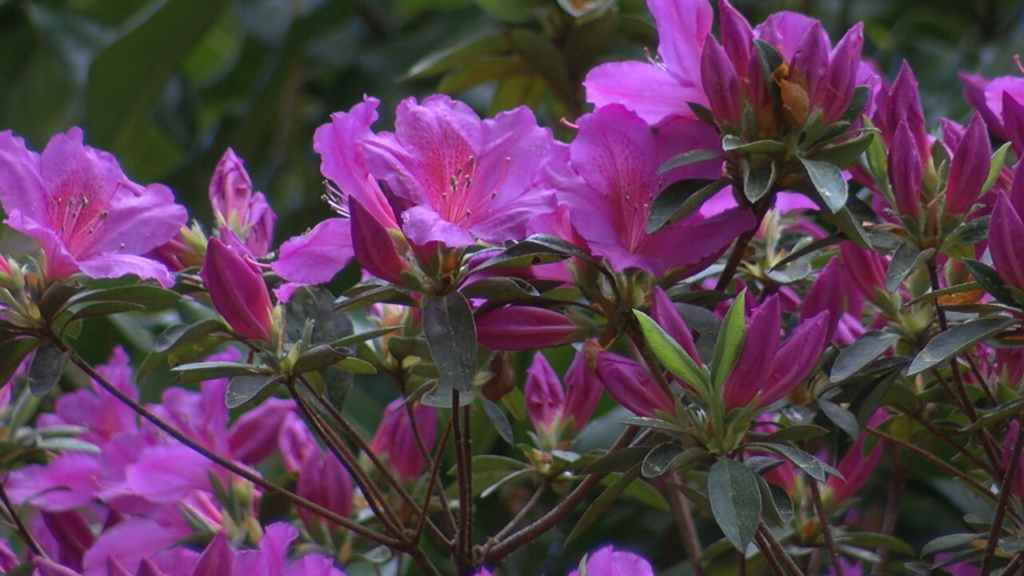
WILMINGTON, N.C. (WWAY) — Azaleas are in full bloom across southeastern North Carolina, but state officials say dry conditions beneath the surface remain a growing concern.
Klaus Albertin, a drought management advisory council member with the state, said recent rainfall earlier this year helped plants flourish but may have masked worsening conditions.
“February looked good. We got some decent rains, and I think that helped a lot of the trees and azaleas do well, but I think it kind of gave us a little false hope,” Albertin said.
Data from the North Carolina State Climate Office shows a deepening precipitation deficit in the Wilmington area. In August 2025, the region was about 1.5 inches below normal rainfall. That deficit has since grown to more than 15 inches below normal.
Corey Davis, assistant state climatologist with the North Carolina State Climate Office, said rainfall has not been consistent enough to replenish soil moisture where it is needed most.
“You’ll typically get most of that moisture soaking very deep into the bottom layer of the soil, and then those upper layers don’t see the benefit,” Davis said.
At Lively Grove Farms in Bolivia, the impact is visible. Soil is hard, dry and cracked, making it difficult for water to penetrate.
“The water needs to go places and so if the water is really hard, it has a really difficult time infiltrating the soil and it will eventually just run off,” said Kelsey Smith, one of the farm’s owners.
Much of the region’s soil is sandy or clay-based, which can further limit absorption and cause water to sit on the surface instead of reaching plant roots.
Despite the conditions, some farmers are adapting. At Lively Grove Farms, portions of the property are supported by drip irrigation systems to help maintain moisture levels.
Experts say consistent rainfall—not isolated storms—will be key to improving conditions.
“So, if we can get an inch or two of rain every week over these next few months, that would be ideal, both for chipping away at those rainfall deficits, but also for slowly building that soil moisture back up,” Davis said.