Breast cancer deaths fall in US while women in poorer countries face rising risks, report finds
(ABC) — Breast cancer survival continues to improve in the United States and other high-income nations, while women in low-income countries face rising death rates and widening gaps in care.
According to a major Lancet report covering 1990 to 2023, breast cancer death rates in the US fell by more than 40% while rates of new diagnoses dropped by nearly 30%.
These findings parallel declining death rates in other high-income areas such as Western Europe, but sharply contrast with increasing death rates of more than 80% in low-income areas like Sub-Saharan Africa.
“These findings collectively suggest … there is progress being made in outcomes on the whole for women in high-income countries, which is great, while women living in the lowest income settings are experiencing an increasing burden of breast cancer,” Dr. Lisa Force, oncologist at the University of Washington and the study’s lead researcher, told ABC News.
Breast cancer is the most common cancer among women worldwide, according to the report. In 2023, nearly one in four women diagnosed with cancer had breast cancer.
Advances in screening, diagnosis, and treatment have made breast cancer increasingly treatable, with five-year survival rates as high as 85-90% in many high-income countries.
However, these improvements do not represent an overarching triumph given breast cancer’s disproportionate burden in low-resource areas, the report suggested. Unequal access to screening and appropriate treatment are driving disparities, with inadequate screening leading to later-stage diagnoses that are harder to treat.
The researchers also noted that even in high-income countries, substantial disparities persist. For example, in the US, Black, non-Hispanic women have a 1.4 times higher death rate from breast cancer compared to White women.
“I think addressing the disparities in breast cancer burden in the world is really going to take political will and investment in strategies that target the entire cancer continuum, all the way from prevention through to diagnosis and treatment,” Force said.
Almost a third of breast cancers examined in the study were attributable to lifestyle factors, such as high red meat intake, second-hand smoke, obesity, physical inactivity, and exposure to tobacco and alcohol.
“The health of the whole population directly relates to your health,” Dr. Larry Norton, oncologist and medical director of the Evelyn H. Lauder Breast Center at Memorial Sloan Kettering, told ABC News. “You’re healthier if you live in a healthy society….if the whole society puts an emphasis on exercise, it’s going to be easier for you to do that…I think public health is individual health.”
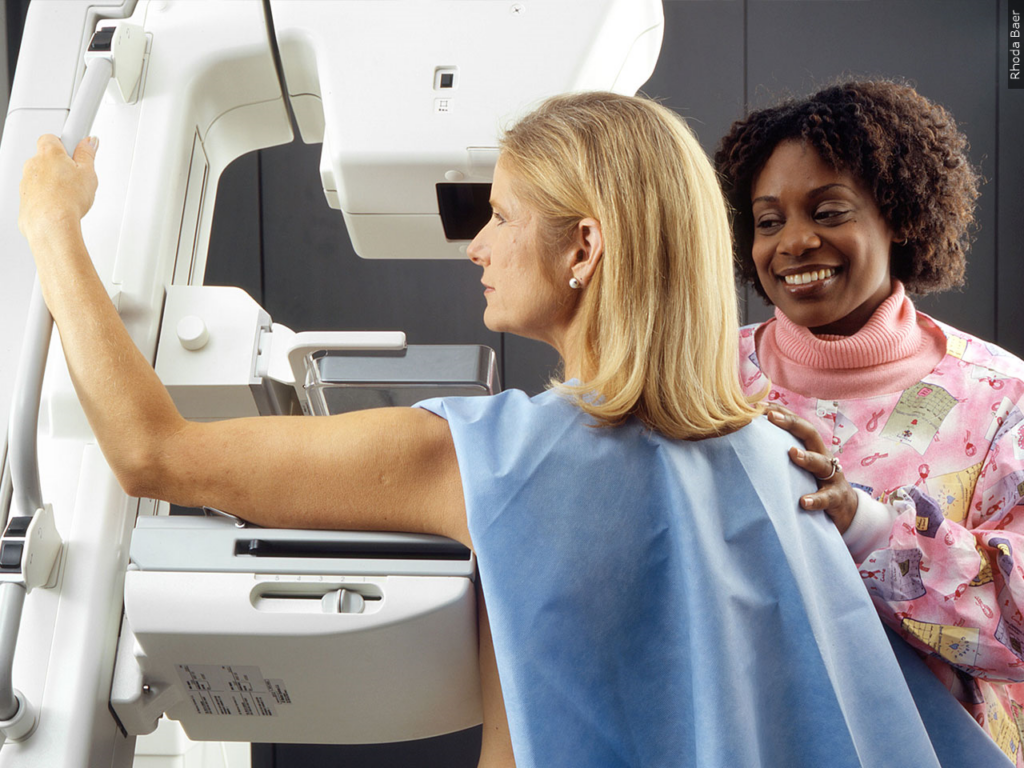
The U.S. Preventive Services Task Force recommends that women at average risk for breast cancer get a mammogram every two years starting at age 40 and continuing through age 74. The group says screening in this age range lowers the risk of dying from breast cancer.
For women 75 and older, the task force says there is not enough evidence to recommend for or against routine screening. It also notes that women with higher risk, such as those with certain genetic mutations or a strong family history, may need a different screening plan.
Norton also pointed to several emerging technologies that may help detect breast cancer earlier and lead to more effective treatment even in low-income areas, including digital pathology, diagnostic blood tests, and cancer-preventing vaccines.
“The science is leading us is the good news,” he said.