Colorectal cancer screening lags in adults 45 to 49 as diagnosis rates climb
(ABC) — Colorectal cancer is rising in adults under 50, yet too few people in this age group get screened in time to catch it early.
After decades of steady declines, overall colorectal cancer rates have recently leveled off, according to a new 2026 report from the American Cancer Society. Detailing the latest trends, the report noted progress in older adults but concerning patterns in younger generations.
According to the report, rectal cancer incidence has increased by about 1% per year in recent years. At the same time, colorectal cancer deaths in adults under age 50 have been rising by about 1% annually since the mid-2000s.
Researchers describe what they call a “birth-cohort effect,” meaning that people born after 1950 appear to have a higher underlying risk of developing colorectal cancer than previous generations.
“The tsunami effect of these populations aging — whose risk is higher than prior generations — is important,” Dr. William L. Dahut, chief scientific officer for the American Cancer Society, told ABC News.
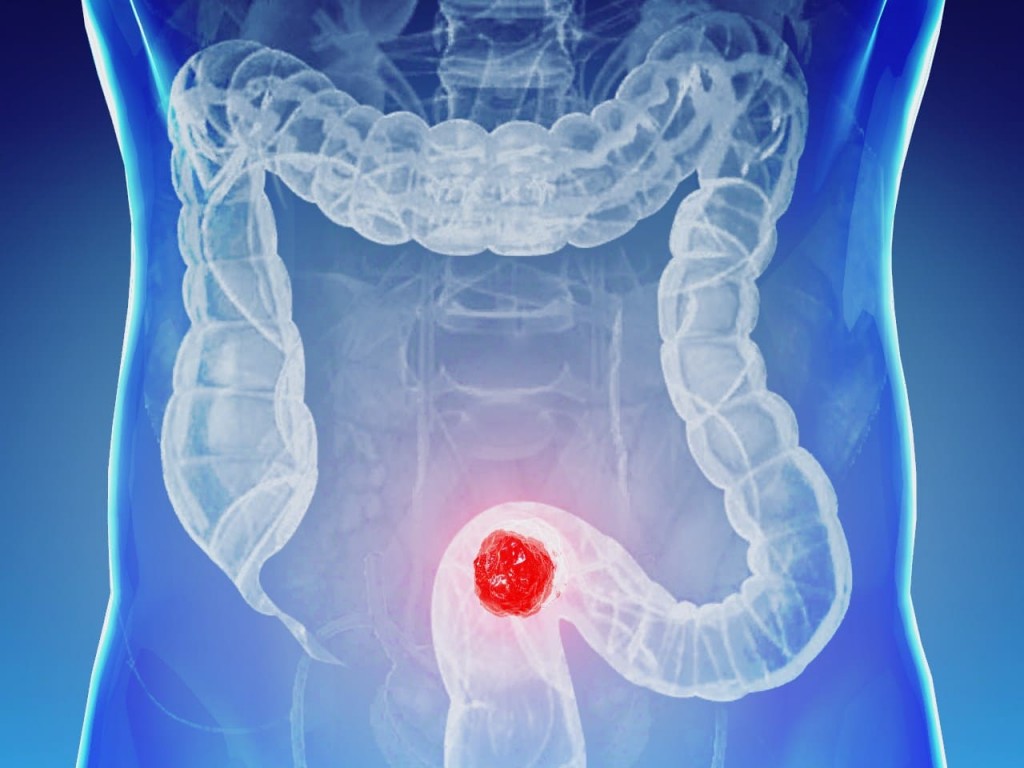
Much of the increase in younger adults is occurring in the rectum and the lower part of the large intestine closest to the rectum, marking a shift from prior generations, when cancers were more often found in the upper part of the colon closer to the small intestine, the researchers said.
“The rectum is the reservoir where the stool is being held before you evacuate it…there is a higher bacterial density in the formed stool and that is one of the things that could possibly increase the risk of rectal cancer,” Dr. Lynn O’Connor, chief of colon and rectal surgery at Mercy Medical Center in New York, told ABC News.
Several factors may be contributing to the higher risk for younger generations, the investigators said, including rising obesity rates, sedentary lifestyles, alcohol use and diets high in ultraprocessed foods. Changes in the gut microbiome and environmental exposures may also play a role.
Colorectal cancer screening for average-risk adults now begins at age 45, a change made by the American Cancer Society in 2018 and later adopted by the U.S. Preventive Services Task Force in 2021. Yet only about a third of adults ages 45 to 49 are up to date on colorectal cancer screening, the report found.
“We are doing well in the older age group because they have gotten the message about screening and we have better treatments,” said O’Connor. “The problem is the striking counter-trend in the under-50 group.”
Younger patients often face delays in diagnosis, in part because symptoms may be mistaken for hemorrhoids or other benign conditions, O’Connor added.
“There is significant misdiagnosis,” she said, “These are young patients, it’s not on the radar. They have to see at least two to three doctors before they get a diagnosis.”
Common warning signs include rectal bleeding, changes in bowel habits, abdominal pain, iron deficiency anemia and unexplained weight loss, according to the ACS.
Among young adults with rectal cancer, 41% report rectal bleeding as their first symptom, compared with 27% of older adults, Dahut explained.
Doctors say adults should know their family history and get checked if symptoms do not go away. Anyone with a parent, sibling, or child diagnosed with colorectal cancer or advanced polyps may need to start screening before age 45.
March is National Colorectal Cancer Awareness Month. Dahut advised talking to your doctor about getting screened with a colonoscopy or stool-based testing — and to speak up if you feel your concerns aren’t being addressed.
“If you feel like you’re not being listened to by your physician because you’re 32 and you’re told you can’t have cancer, you need to go see somebody else,” he said.