Displaced by development, Cape Fear animals get a second chance at local rescue
BRUNSWICK COUNTY (WWAY) — The Cape Fear region is home to some of the fastest-growing counties in North Carolina.
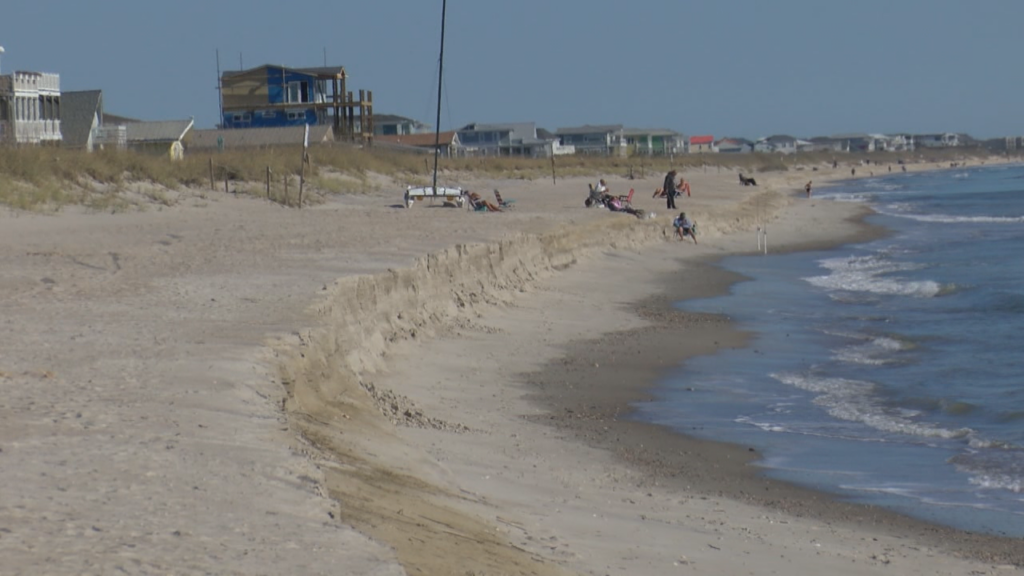
But as development expands, natural habitats are disappearing.
As forests and green spaces are being replaced with housing and development, wildlife species are losing their homes.
One wildlife rescue is stepping in, rehabilitating injured animals and giving them a second chance.
Pip’s not camera shy, and he’s one of the squirrels taking a stay at Bolduc’s Wildlife Rescue.
Anna Bolduc runs the non-profit organization out of her home.
She primarily rescues opossums and squirrels, with the winter months bringing mostly trauma cases, and the spring and summer bringing orphaned and injured animals; animals she rehabilitates, as habitats disappear.
“Kindness goes a long way, just some basic compassion for these animals losing their homes,” said Bolduc.
Development is rapidly expanding across surrounding counties.
“Wildlife is not suddenly becoming bold or overpopulated. It’s a result of habitat shrinkage,” said Bolduc.
She says wildlife is being pushed into these areas, not choosing to be there.
“These animals are not nefariously plotting to overtake your homes, I promise they don’t want to be anywhere near us, but just because their forest and green spaces continue to be decimated by overdevelopment does not mean that these animals simply disappear into thin air; like, on the contrary, they’re forced to compress into what is left, and that often overlaps with what we consider to be our neighborhoods,” said Bolduc.
As wildlife and human interactions increase, Bolduc says that coexisting is possible, and “humane hazing” can help.
“So, humane hazing, the idea is to set a safe boundary for the wildlife to understand that humans are not safe or ideal to be around,” says Bolduc.
Playing loud music and keeping the lights on is a good way to humanely remove a squirrel from your attic, and shaking a can can alert opossums to run and avoid human interaction.
Bolduc has had many success stories, like Buzz the opossum that she rescued as an injured orphan and rehabilitated to be released.
She says success stories like that make it all worthwhile.
“When I did finally spot him on the back deck, it was just a huge sense of relief, mostly, and then also pride because I was able to teach him what he needed to learn, did it correctly, didn’t habituate him,” said Bolduc.
If you encounter an orphaned animal, contact a local wildlife rescue right away.
If the animal is injured, and you can do so safely, contain it and leave it undisturbed until help arrives.
You can contact Bolduc’s Wildlife Rescue by phone at (910) 547-1545, and you can find the rescue on Facebook at Bolduc’s Wildlife Rescue.
Jeremy Bivins is another local wildlife rescuer and can be contacted at (530) 219-9401.