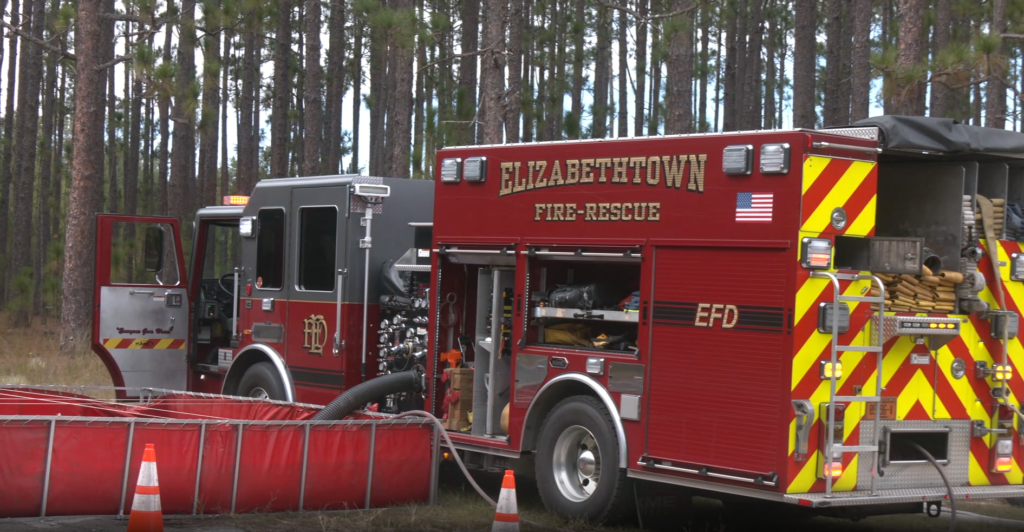
Extreme drought expands across North Carolina, officials warn
RALEIGH, NC (WWAY) — Drought conditions are worsening across North Carolina, with 30 counties now experiencing extreme drought, according to the North Carolina Drought Management Advisory Council.
Most of the remaining counties are facing severe or moderate drought conditions as dry weather continues across the state. Southeastern NC remains in a severe drought.
“Near record heat, negligible rain and increased water demand is going to accelerate the decline in river and lake levels over the next few weeks,” said Klaus Albertin, chair of the advisory council. “Reservoir systems are starting to see the impact of increased demand and low inflows.”
Officials say water systems in counties experiencing extreme drought, known as D3 conditions, should follow their Water Shortage Response Plans and implement water use reduction measures. Those systems are also required to report weekly water use and conservation status through the North Carolina Department of Environmental Quality.
Residents are encouraged to check with their local water systems for any restrictions that may be in place.
The North Carolina Forest Service’s ban on all open burning remains in effect statewide until further notice.
Data from the Southeast Regional Climate Center shows many rainfall stations across North Carolina are reporting some of their lowest totals on record for this time of year. At Raleigh-Durham International Airport, year-to-date rainfall reached its lowest level on record Wednesday, spanning more than 140 years of data.
Many rivers and streams across the state are also at or near record low levels, according to the U.S. Geological Survey.
“In February, it looked like we might see a shift in the dryness that started last August, but it was only a brief respite,” Albertin said. “We saw low rainfall statewide in March, and April is also shaping up to be a record setter for low precipitation.”
The Drought Management Advisory Council, made up of experts from North Carolina and neighboring states, meets weekly to assess conditions and provide recommendations for updates to the U.S. Drought Monitor.