Flu surges across U.S. as doctor visits reach highest level since 1997
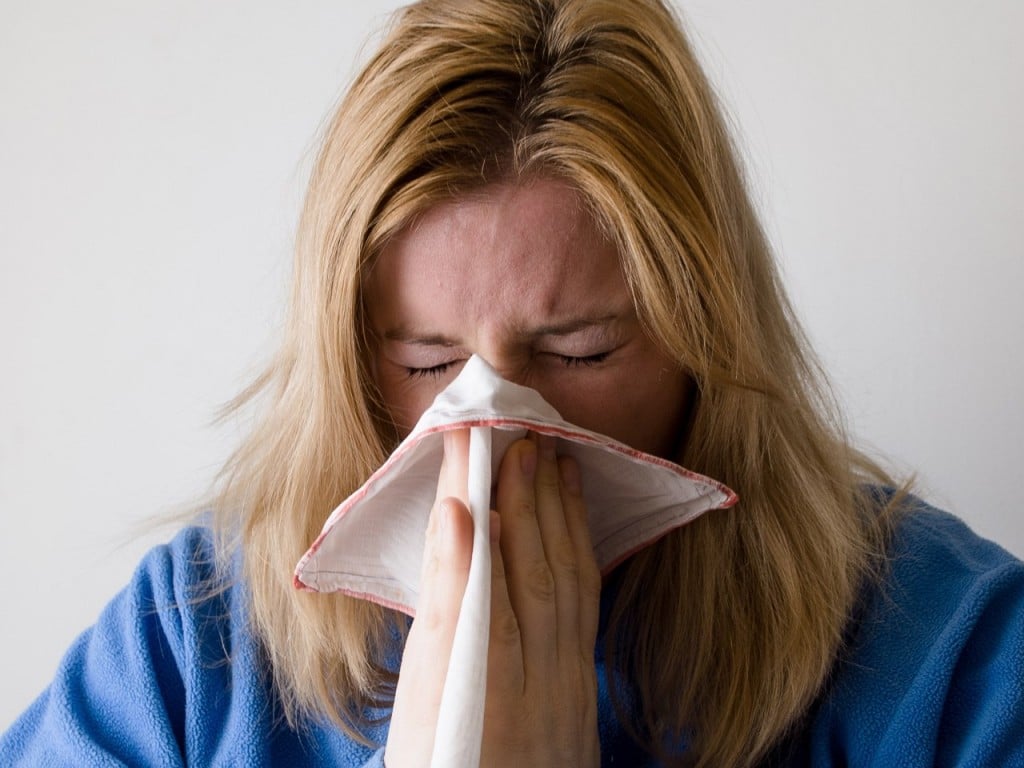
(CBS) — Flu cases are continuing to spike in the United States. New data from the Centers for Disease Control and Prevention show that at least 5,000 people have died of the illness this year and that doctor’s visits for flu have reached their highest level in decades.
The CDC estimated there have been at least 11 million flu cases as of December 27, as well as at least 120,000 hospitalizations and 5,000 deaths. There have been nine flu-related pediatric deaths, the CDC said.
At the same time, 8.2% of outpatient doctor’s visits nationwide were for flu-like illnesses, the CDC said. That’s the highest level recorded since 1997, according to CDC data.
Forty-eight jurisdictions are showing “high” or “very high” levels of flu, the agency said. Last week, 32 jurisdictions met that description.
Only four jurisdictions had low or minimal flu levels. Nevada has “insufficient data,” the CDC said.
A new subtype of influenza A called H3N2 is spreading quickly and fueling this year’s cases, experts told CBS News. The CDC reported that of the 994 influenza viruses that tested positive for flu between Dec. 20 and Dec. 27, 971 of them had influenza A. When 600 of those specimens were subtyped, 91.2% of them were found to be H3N2. The strain is known to cause tough flu seasons, especially for seniors, and is harder for the immune system to recognize.
At the same time, fewer people have received the flu vaccine. The CDC estimated that about 130 million doses of the flu vaccine had been given this year. On Monday, the CDC announced updates to its recommended childhood vaccine schedule. The changes included saying that children who are not high-risk should engage in “shared clinical decision-making” with their doctor about whether to get the flu vaccine. The American Academy of Pediatrics called the changes “dangerous” and said they would continue to share their own recommendations.
“Making these changes amid ongoing outbreaks of vaccine-preventable diseases shows a disregard for the real confusion families already face,” said Dr. Ronald G. Nahass, president of the Infectious Diseases Society of America, in a statement.