Former volunteer firefighter charged with setting fires in Columbus County
COLUMBUS COUNTY (WWAY) — A former volunteer firefighter in Columbus County is charged with setting fires.
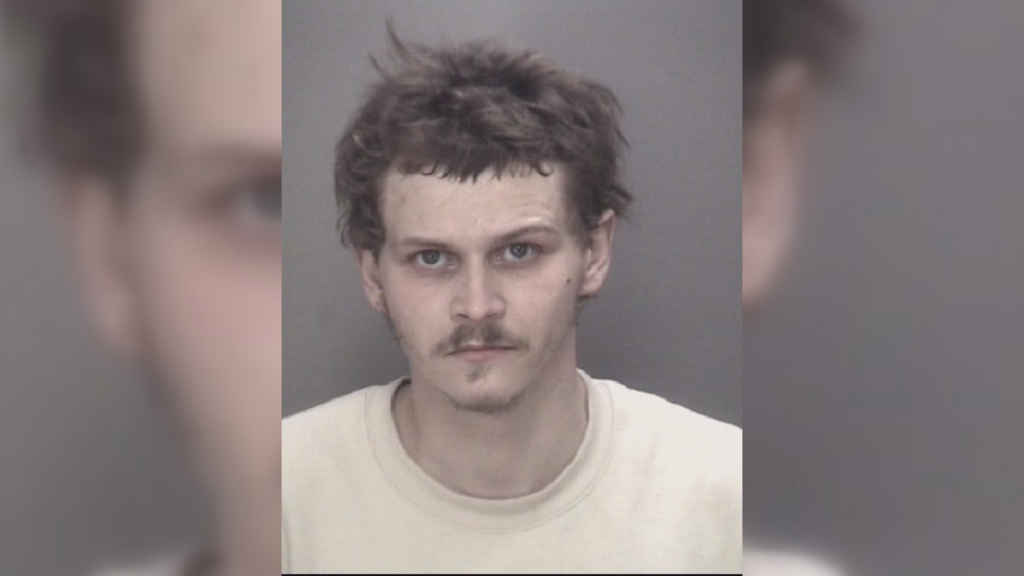
19-year-old Tanner Reed Sykes lives here on Gores Trailer Road in Whiteville.
The city’s fire chief, David Yergeau, tells WWAY that Sykes worked as an on-call volunteer but was never fully employed by the department and refused other comment, referring the matter to the Williams Township Fire Department.
In court records filed January 29th, Sykes was charged with setting fires to grass, brushlands, and woodlands at four intersections, including Jim Jolly Road, M M Ray Road, Walter Todd Road, and Furnie Hammond Road in the days before and following the Christmas holiday.
Michael Malcom from the North Carolina Forestry Service is the claimant in the case and did not respond to our request for an interview.
“The firefighter arsonist starts with small fires. It may be a trash can, it may be a grass fire, hay fire, something like that,” said Ron Lindroth.
That’s fire chief Ron Lindroth in a training video for fire departments produced by the National Volunteer Firefighter Council.
It says up to 100 firefighters are convicted each year for setting fires, and former alcohol, tobacco, and firearms agent Dan Herbert says there’s a certain profile.
“In general, you’re talking about young men and women, mostly men, mostly white males from the age of 17 to 25,” said Herbert.
Why would a firefighter set fires they’re supposed to stop?
The Firefighter Council says motives include excitement, thrill or adrenaline rush, vandalism, revenge, peer pressure or hazing from fellow firefighters, or a desire to be appreciated by the public.
“It’s excitement, it’s doing their job, except for they’ve switched from doing the job for helping people to a self-motivation of enjoyment to themselves or a hero complex that they’ve created about themselves,” said Lindroth.
Controlled or prescribed burns are the only legal instances for firefighters to set fires. Those cases usually require permission and permits.