Lightning strike from May caused Shallotte wildfire that smoldered underground for weeks, officials say
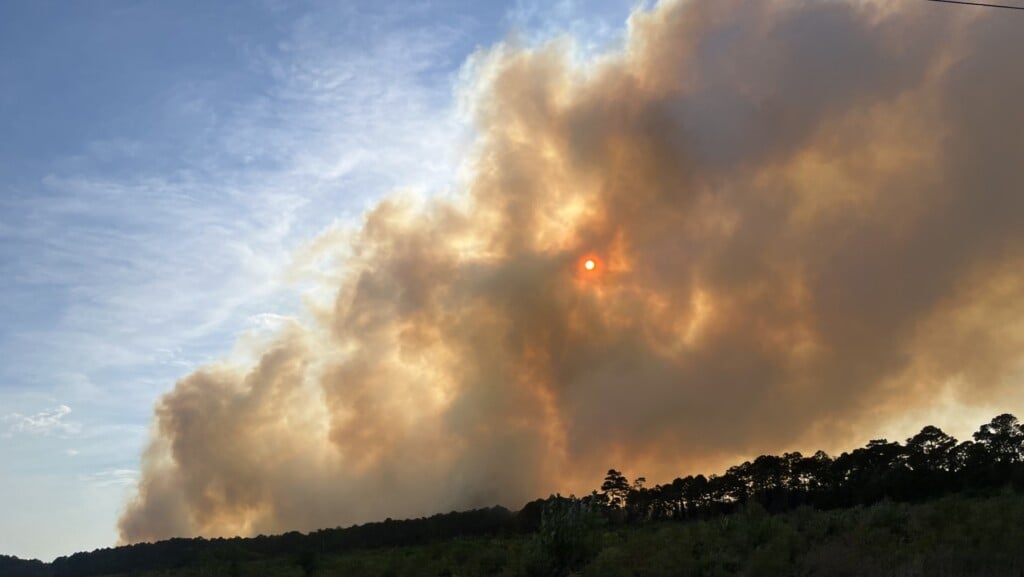
SHALLOTTE, N.C. (WWAY) — A wildfire that burned 283 acres near Shallotte was sparked by a lightning strike more than a month before it was discovered, according to the North Carolina Forest Service.
As of Thursday, Aug. 6, the Quarry Road Fire is 100% contained. Officials said the fire, first reported July 10, burned 283 acres.
Investigators determined the fire was caused by a lightning strike during storms that moved through the area on May 28. The strike ignited what firefighters call a “holdover” fire, which smoldered underground in dry organic soil for weeks before surfacing when weather and fuel conditions became favorable.
Holdover fires, sometimes referred to as “sleeper” fires, can burn undetected beneath the ground without visible flames. They are most common in deep layers of dry organic material known as duff.
Duff is the layer of decomposing leaves, pine needles, twigs and other organic matter that sits above the mineral soil. Unlike surface vegetation, duff is tightly packed and contains less oxygen, causing fires to smolder rather than produce open flames. During prolonged dry conditions, those underground fires can slowly spread for days or even weeks before becoming visible.
The Forest Service said North Carolina’s ongoing drought has increased the likelihood that lightning strikes will ignite wildfires. Dry vegetation, high temperatures and a lack of soaking rainfall have left forests more susceptible to fire, especially where deep duff layers have dried out.
Officials said lightning ignition becomes more efficient during drought, meaning cloud-to-ground lightning is more likely to start a wildfire than under normal moisture conditions.
The Quarry Road Fire is now fully contained, meaning fire lines surrounding the blaze are considered secure and are not expected to allow the fire to spread without additional firefighting action.
The North Carolina Forest Service released an infographic explaining how lightning-caused holdover fires develop and why they can remain hidden underground for extended periods before emerging.