NC health officials urge vaccination as measles cases rise statewide
RALEIGH, NC (WWAY) — North Carolina Department of Health and Human Services is urging residents to get vaccinated and stay informed as measles cases continue to increase across the state.
According to the department’s Measles Cases and Outbreaks Dashboard, North Carolina has reported 15 measles cases since late December 2025. Health officials confirmed the state’s first hospitalization linked to measles last week.
“Measles is not a disease of the past — it is still present in our state,” said Kelly Kimple, director of the Division of Public Health. “Staying up to date on vaccinations is a simple but powerful step we can all take to keep our communities healthy.”
NCDHHS continues to recommend that all unvaccinated individuals ages 1 year and older receive the measles, mumps and rubella (MMR) vaccine. Officials also advise people to talk with their health care provider about vaccination before traveling, either internationally or to areas of the United States experiencing outbreaks.
Health officials say most measles cases in North Carolina have been linked to travel to outbreak areas and have occurred among unvaccinated individuals.
As part of expanded outreach efforts, NCDHHS has launched a text notification system to alert people who may have been exposed to measles. The messages are intended to quickly notify individuals who were at a specific location during a date and time when exposure may have occurred and to provide guidance on next steps.
Receiving a text message does not mean a person has measles, officials said, but it does indicate a possible exposure. People may also be contacted by their local health department or an NC public health outreach team member by phone, email or an in-person visit.
Measles is a highly contagious but vaccine-preventable disease that spreads through direct person-to-person contact and through the air. The virus can remain in the air for up to two hours after an infected person leaves an area.
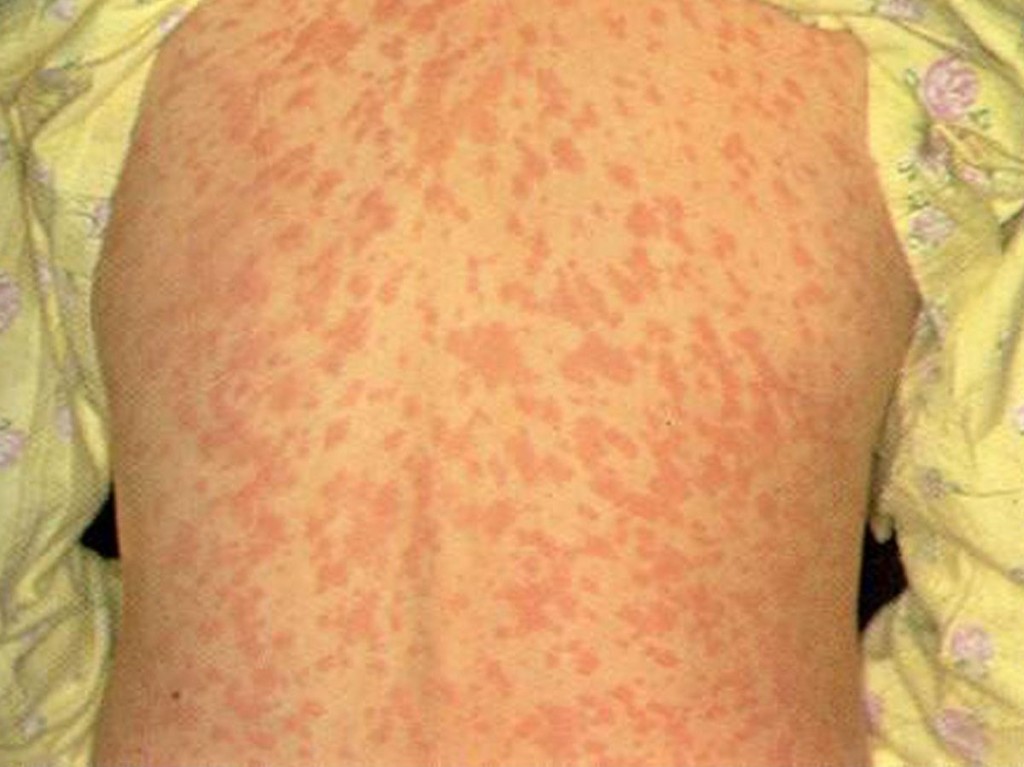
Symptoms typically begin seven to 14 days after exposure but can appear up to 21 days later. Symptoms may include a high fever that can exceed 104 degrees, cough, runny nose, red and watery eyes, small white spots inside the mouth known as Koplik spots, and a red, blotchy rash that often starts on the face before spreading to the rest of the body.
Measles can also lead to serious complications, including diarrhea, pneumonia, swelling of the brain and suppression of the immune system.