North Carolina leaders say federal Chemours deal fails Cape Fear region
(WWAY) — Gov. Josh Stein and Attorney General Jeff Jackson are criticizing a proposed settlement between the Environmental Protection Agency and Chemours, arguing the agreement does little to address PFAS contamination in North Carolina.
The settlement announced this week would require Chemours to pay up to $90 million over 15 years for water cleanup and drinking water projects in North Carolina, New Jersey and West Virginia. The company would also be allowed to propose the projects it funds.
Stein and Jackson contend the agreement was negotiated without input from North Carolina officials and provides no guarantees that significant funding will be spent in the state.
“This deal does nothing meaningful for North Carolinians,” Stein said in a statement. “This EPA, which has already weakened protections against chemicals like GenX, is now allowing polluters to pick and choose how and where they’ll fix their contamination — leaving North Carolina with no guarantees.”
Jackson echoed those concerns.
“This deal is an insult to the people of eastern North Carolina,” Jackson said. “Our state is ground zero for GenX contamination, but this deal does practically nothing to clean up our water.”
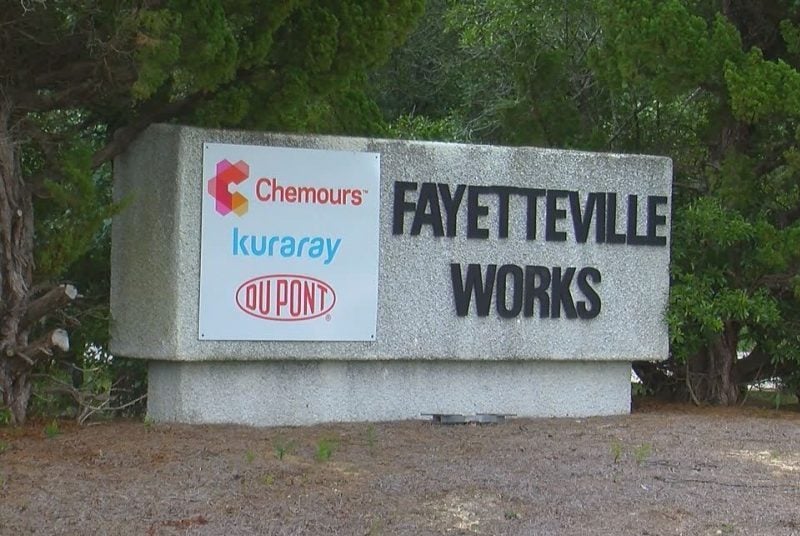
The criticism comes as communities along the Cape Fear River continue to deal with the impacts of PFAS contamination linked to Chemours’ Fayetteville Works facility.
Emily Donovan, co-founder of the grassroots organization Clean Cape Fear, said the settlement raises concerns.
“Suspicious, because, um, you know, usually anything that happens behind closed doors or, um, or we get blindsided that’s related to Chemours… definitely had some red flags with this,” Donovan said.
Chemours and its predecessor company, DuPont, have operated the facility since the 1970s. For decades, PFAS compounds, including GenX, were released into the air and discharged into the Cape Fear River, a drinking water source for an estimated 500,000 people in eastern North Carolina.
PFAS, often referred to as “forever chemicals,” do not easily break down in the environment and have been linked to a range of health concerns, including certain cancers, liver damage and developmental issues.
State officials argue the proposed federal settlement lacks accountability because Chemours would not be required to spend a specific amount in North Carolina. According to Stein’s office, if the money were divided evenly among the three states, North Carolina would receive roughly $2 million annually for PFAS-related projects.
North Carolina has previously pursued its own enforcement actions against Chemours. In 2019, the North Carolina Department of Environmental Quality reached a consent order requiring the company to reduce PFAS emissions, provide filtration systems for residents with contaminated wells and address contamination affecting groundwater, soil and surface waters.
The agreement also included a $12 million civil penalty, which state officials said was the largest environmental penalty in North Carolina history at the time.
Jackson’s office is currently pursuing litigation against Chemours, DuPont and related companies seeking compensation for damage to the state’s natural resources. The attorney general is also involved in separate lawsuits against manufacturers of firefighting foam products containing PFAS chemicals.