Viral video in Wilmington puts spotlight on elder care concerns, reporting of abuse
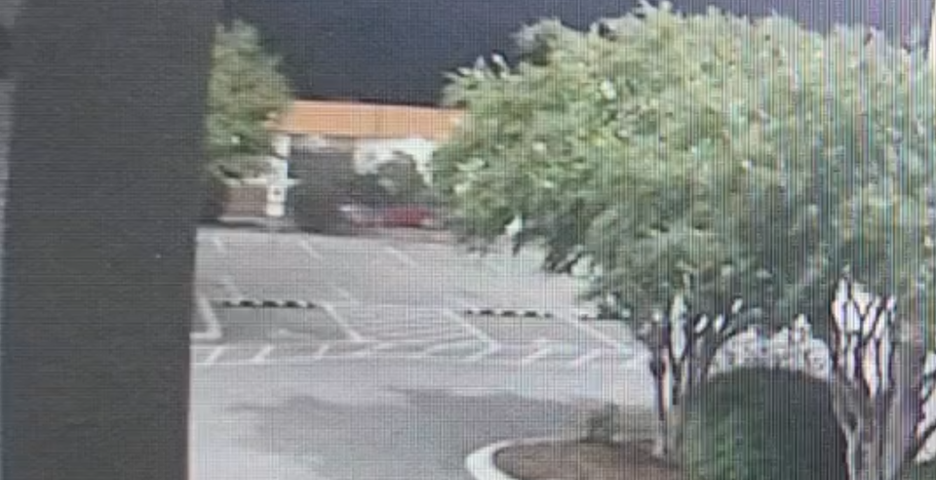
WILMINGTON, N.C. (AP) — A viral video showing an elderly Wilmington man wandering in the street wearing only a T-shirt and an adult diaper is drawing attention to the issue of elder care and how to identify and report potential abuse or neglect.
Officials with the New Hanover County Department of Social Services say cases involving elderly adults are not uncommon, and community awareness plays a key role in protecting vulnerable residents.
“It’s prevalent, but I think our community just does a really good job of reporting,” said Sean Dwyer, program manager for New Hanover County Adult Protective Services.
Dwyer said the agency receives between 85 and 100 reports of elder abuse and neglect each month.
“I think recent situations are a good indicator of that,” he said. “People are watching, people are paying attention, people aren’t letting their neighbors be hurt.”
The video circulating online shows an elderly man, who was in the care of his sister, Deborah Porter, walking along Ern Way. The footage was recorded by neighbor Jonathon Pigford, who initially questioned the level of supervision.
After the man was later removed from the home on a gurney, Pigford urged the public to stop targeting Porter online.
“I’ve been telling everybody, the police are handling it, leave her alone,” Pigford said. “What happened is horrible, but at the same time, I don’t want her to be bullied and harassed by people online.”
Dwyer said he could not comment on the specific case but noted that New Hanover County ranks among the highest in the state for reports received. He added that the department takes a cautious approach when responding.
“We do tend to err on the side of caution,” Dwyer said. “We try to do that all the time here to make sure that we are sending people out.”
According to Dwyer, about 75% of cases involve self-neglect, which occurs when a disabled adult lives alone or lacks adequate care.
“Lots of people retire here, they move from other places, and when they move here they don’t always think that they are going to need help someday,” he said.
Officials say signs of caretaker neglect can include a failure to provide basic needs such as food, shelter, safety, supervision, and medical or mental health care. In some cases, neglect may be tied to financial exploitation.
“Sometimes caretaker neglect is tied directly to exploitation,” Dwyer said. “They are keeping somebody at home not because they are caring for them or their needs, but because they need their check.”
In more severe situations, abuse may be indicated by unexplained weight loss, bruising, or confinement.
“I’ve had cases in the past of people who were restrained — restrained to wheelchairs, restrained to beds — anything along those lines, which are awful situations,” Dwyer said.
Officials encourage anyone who suspects elder abuse or neglect to report it to local authorities or Adult Protective Services.