North Carolina reaches $590 million PFAS settlement with Chemours, DuPont
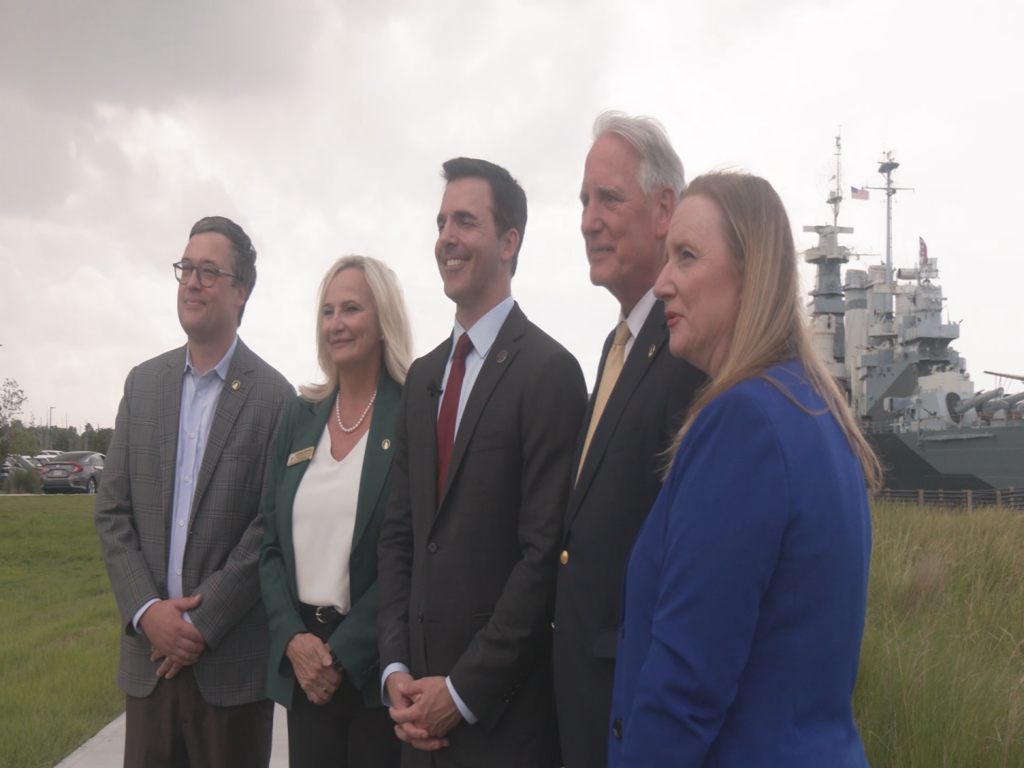
WILMINGTON, NC (WWAY) — North Carolina Attorney General Jeff Jackson and Department of Environmental Quality Secretary Reid Wilson announced Thursday a $590 million settlement involving the state, 11 local governments, DuPont and Chemours over PFAS contamination.
State officials call it the largest total environmental damages recovery in North Carolina history.
Chemours has already spent nearly $1.2 billion complying with a 2019 consent order requiring the company to stop discharging contaminants from its Fayetteville Works facility into the Cape Fear River and air.
Jackson said the new agreement will provide additional resources for clean drinking water and environmental cleanup in southeastern North Carolina.
“Chemours made this mess, and we’re making sure Chemours cleans it up,” Jackson said.
The settlement guarantees $455 million for the state and 11 local governments over the next 10 to 15 years.
The state will receive $75 million, with roughly $55 million going to an Emerging Contaminant Mitigation Fund created by the North Carolina General Assembly. The fund supports efforts by local governments to detect and reduce contaminants in drinking water.
Another $380 million will be divided among 11 local governments affected by pollution from the Fayetteville Works facility.
Those governments include:
- Bladen County
- Brunswick County
- Columbus County
- Cumberland County
- New Hanover County
- Robeson County
- Sampson County
- Town of Wrightsville Beach
- City of Lumberton
- Village of Bald Head Island
- Lower Cape Fear Water and Sewer Authority
The agreement also establishes a $135 million reserve fund from DuPont and sister company Corteva.
The fund is designed to guarantee Chemours continues meeting its obligations under the state’s 2019 consent order, including providing clean drinking water to families whose wells are contaminated with PFAS from Fayetteville Works.
State officials say the reserve fund could be used if Chemours loses the ability to pay for those obligations.
Wilson called the settlement a “huge victory for North Carolina,” while acknowledging that no amount of money can fully compensate residents for the impacts of PFAS contamination.
The settlement also reinforces NCDEQ’s authority to continue enforcing the remaining requirements of the 2019 consent order.
According to the Attorney General’s Office, Chemours has already stopped discharging highly contaminated wastewater from Fayetteville Works and built a subsurface barrier wall more than a mile long to prevent PFAS contamination from reaching the Cape Fear River.
The company has also installed treatment systems for contaminated groundwater and stormwater and pollution-control technology designed to control 99.99% of PFAS air emissions from the facility.
The state says approximately 27,500 southeastern North Carolina wells have been sampled for PFAS, and clean drinking water has been offered to approximately 10,500 families whose wells are contaminated.
The settlement follows years of litigation over PFAS contamination linked to Fayetteville Works.
DuPont began operating the chemical plant in Bladen County in the early 1970s. State officials say the facility began using the area for PFAS disposal around 1980, with GenX and other PFAS released into the air, soil and Cape Fear River.
In 2019, NCDEQ secured the consent order requiring Chemours to reduce PFAS pollution, address contamination and provide drinking-water solutions for affected residents.
North Carolina filed its lawsuit against Chemours, DuPont and their affiliates in 2020, seeking compensation for damage to the state’s natural resources.
The Attorney General’s Office says the state and local governments have now recovered nearly $2 billion in value for North Carolina and its residents.
The new settlement does not resolve every PFAS case in the state.
Cape Fear Public Utility Authority has a separate ongoing lawsuit against Chemours and DuPont seeking additional cleanup funding for its service area in Wilmington and parts of New Hanover County. The Attorney General’s Office says that case is not affected by Thursday’s settlement.
Jackson is also pursuing six other cases involving companies that manufacture AFFF, a PFAS-containing firefighting foam.
North Carolina officials say the state will continue enforcing the 2019 consent order to ensure Chemours meets its long-term cleanup and clean-water obligations.