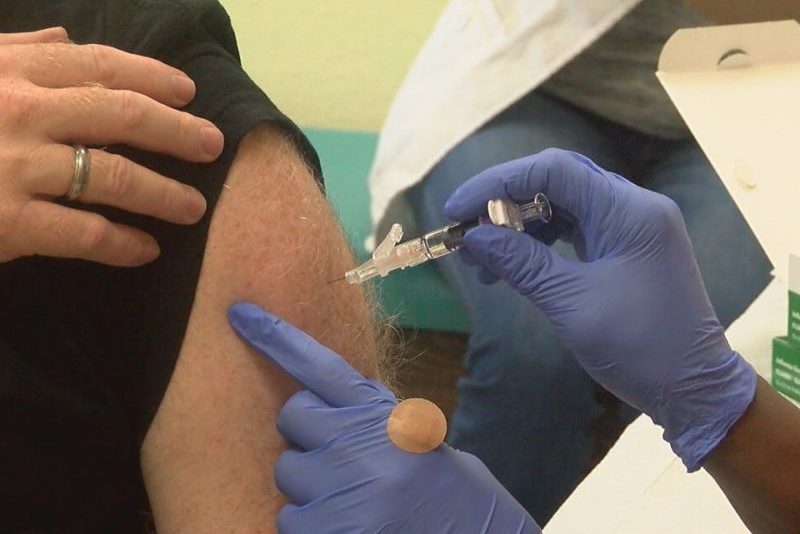
North Carolina sees rise in flu activity ahead of Thanksgiving travel
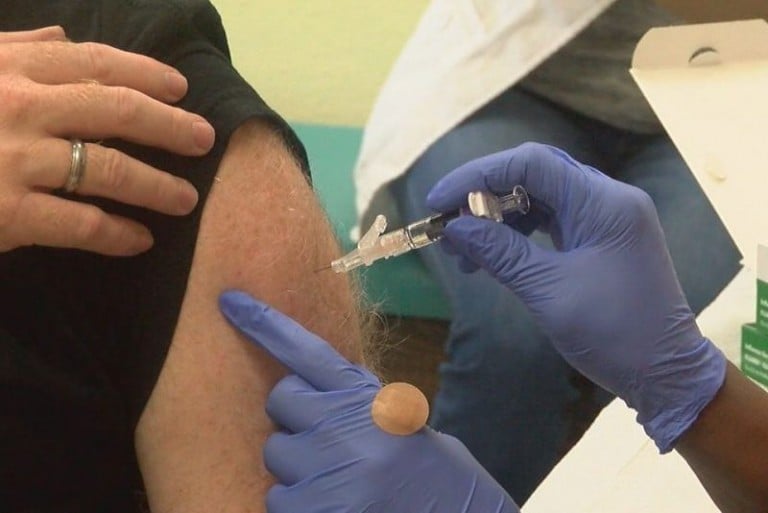
RALEIGH, N.C. (WTVD) — Flu activity is increasing across North Carolina as families prepare to gather and travel for Thanksgiving.
New data from the North Carolina Department of Health and Human Services shows emergency department visits for the flu increased statewide for the eighth consecutive week and are considerably higher than during the same period in each of the past two years.
The number of positive flu tests has also steadily increased during the past month, hitting 1,080 during the most recent week of reporting.
Doctors are urging people to take precautions as holiday gatherings and travel could contribute to another increase in cases.
“We’re a long way from our usual classic peak, although we can peak earlier or later, but almost always we see a bump after Thanksgiving and then a bump after Christmas,” said Dr. David Weber, medical director of the Department of Infection Prevention at UNC Medical Center.
Weber said 103 people tested positive for influenza at UNC Medical Center last week, with virtually all cases involving influenza A. Ten people were admitted to the hospital.
“If you’re sick, sore throat, runny nose, a cough, stay home. At a minimum, if you have to go somewhere, wear a mask,” Weber said.
Dr. Kimberly Caulway with Duke Urgent Care said it takes about two weeks for an immune response to develop after receiving a flu shot. She also recommended handwashing, not sharing food or drinks and covering coughs.
“If you are sick with a fever, please stay away from others until you are at least 24 hours fever-free off of fever-reducing medications,” Caulway said.
Weber added that those who show symptoms should act quickly.
“We do have relatively easy-to-take oral medications that dramatically reduce the risks of serious disease for influenza. That’s the good news. The bad news is you really have about 48 hours to make the diagnosis and get tested. If you start getting sick tomorrow, you can’t really wait and say, well, let me see how I am on Monday,” Weber explained.
For Irelynd McCarthy, the risks associated with the flu are personal. Her 3-year-old sister, Ayzlee, died in December 2014 from septic shock secondary to influenza after testing positive for two strains of flu.
“She was energetic. She was happy. We love to play Barbies together and go to the pool. She loved candy and Dum-Dums suckers,” said McCarthy.
McCarthy said her sister was vaccinated. Despite never showing respiratory symptoms, Ayzlee had a high fever and was sent home with medication after initially testing positive. Just more than 24 hours later, she was admitted to the emergency room with dehydration, increased heart rate, and confusion.
“It’s really important to take it seriously,” McCarthy said.
McCarthy shares her sister’s story, working with the advocacy group Families Fighting Flu.
“Emotional storytelling is so much more important than statistics. I always use this reference of especially with my age group, young adults who are in college; the last thing we want to hear about is statistics of how many people end up in the hospital, or how many people pass away a year. What we truly want to hear is a personal connection,” McCarthy said.
Families Fighting Flu is launching a campaign highlighting National Influenza Vaccination Week.
Through Nov. 14, the CDC reported moderate flu activity in North Carolina. Neighboring states South Carolina, Georgia and Tennessee reported high activity, while Virginia reported low activity.